The Dobruja Gorges are a protected area in Constanța County, designated a Special Protection Area for birds (SPA) and of significant ecological interest, owing to its geological features, diverse flora and remarkable birdlife.
What makes the Dobruja Gorges unique is their status as the oldest gorges in Romania, as well as the geological evidence they bear.
In this article:
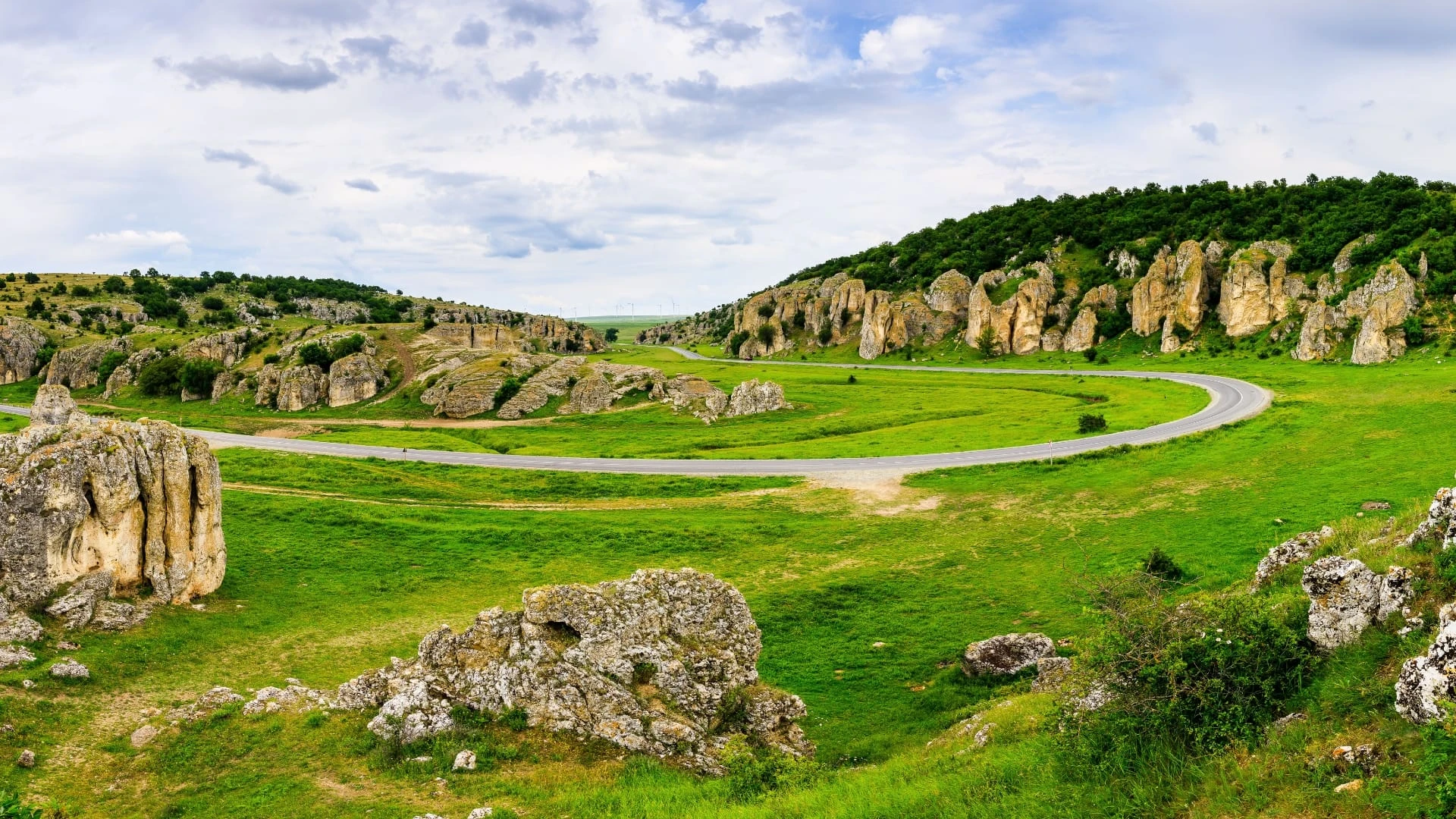
Here you can admire the remains of prehistoric coral atolls, sculpted by time into spectacular shapes, towers and circular structures. Besides these unusual formations, the Dobruja Gorges also boast the oldest rocks in the country.
Coral atolls
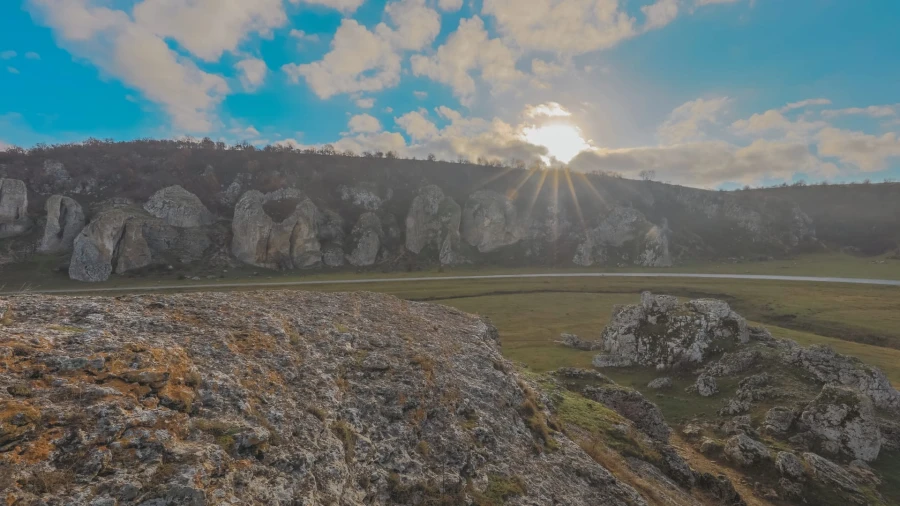
The Dobruja Gorges, carved by the Visterna River (a tributary of the Casimcea) into layers of Jurassic and Cretaceous limestone lying on top of Precambrian green schists (the oldest rocks on Earth), hide enigmatic traces of human presence and offer a truly special landscape. See Wikipedia.ro
Geographic and Administrative Location
The Dobruja Gorges are located in the central-northeastern part of Constanța County. The total area is 10,929 hectares, partly covering the territories of the communes of Cogealac, Grădina, Mihail Kogălniceanu, Pantelimon, Săcele, Siliștea and Târgușor. Access is via national road DN22.
You can reach the Dobruja Gorges area and its formations by car:
From Medgidia: Take DJ222 through Mihail Kogălniceanu to Târgușor or Cheia.
From Constanța: Drive along DN2A to Mihail Kogălniceanu (also accessible via the airport), then continue on DJ222 toward Târgușor/Cheia.
From Tulcea: Take DN22 to Gura Dobrogei, then DC81 to Târgușor and, finally, DJ222 to Cheia.
From Medgidia/Tulcea, you can also take the train to Târgușor station in Dobruja, from where you continue for about 5 km. See Jurnalul.ro
Geological and Biological Features
The Dobruja Gorges area includes natural grasslands, steppes, farmland, pastures, deciduous forests and transition zones. On top of that, it has high biodiversity, with flora adapted to local conditions.
Geologically, the area stands out for its Jurassic limestone, gorges and valleys. The Dobruja Gorges contain a reserve of paleontological importance, a site with fossil fauna.
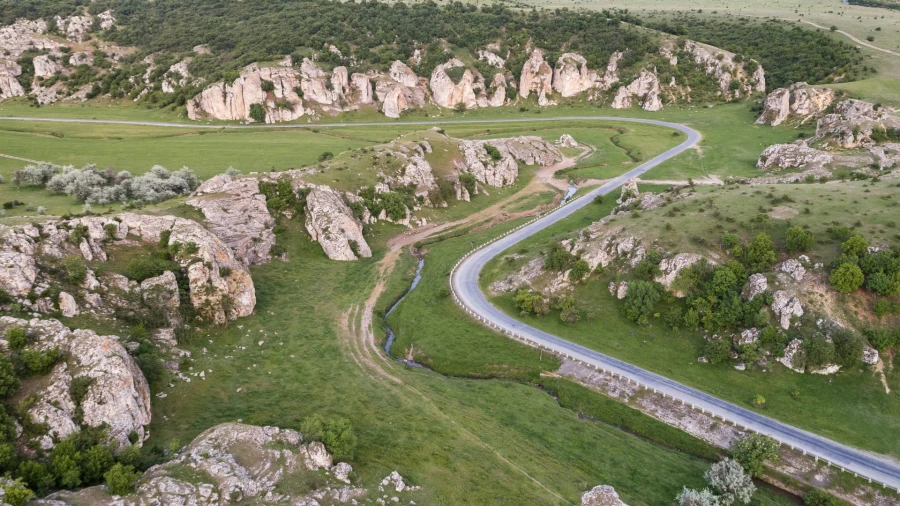
The Dobruja Gorges seen from above
Birdlife
One of the main reasons the Dobruja Gorges were designated a protected area is their importance as a habitat for numerous bird species. The area offers feeding, nesting and stopover conditions for migratory and passage birds.
Protected species you can spot here include the Levant sparrowhawk, the common kingfisher, the eastern imperial eagle, the red-breasted goose, the European roller and the saker falcon.
The Natura 2000 Network
The Dobruja Gorges are part of the European ecological network Natura 2000. Their protected area status involves management and monitoring measures to maintain natural habitats and populations of protected species.
Attractions in the Dobruja Gorges and Surroundings
In the reserve area and the neighboring villages, you can discover several sites of cultural and historical interest, such as St. Nicholas Church in Nistorești, the natural amphitheater with rock inscriptions in the village of Casian and various archaeological sites in Cheia, Cogealac, Grădina, Gura Dobrogei and Târgușor (the Ester Settlement).
Casian Monastery, dedicated to Saint John Cassian, a 4th-century theologian and monk from Dobruja, draws pilgrims and visitors and offers insight into monastic life and the Christian history of Dobruja.
The surrounding area offers a diverse range of attractions, from nature reserves such as Gura Dobrogei (17 km away), which preserves the flora and fauna typical of the limestone steppe, to archaeological remains such as the Roman fortress of Capidava (an hour away) and the Tropaeum Traiani complex at Adamclisi (85 km away), testaments to the region's turbulent history.
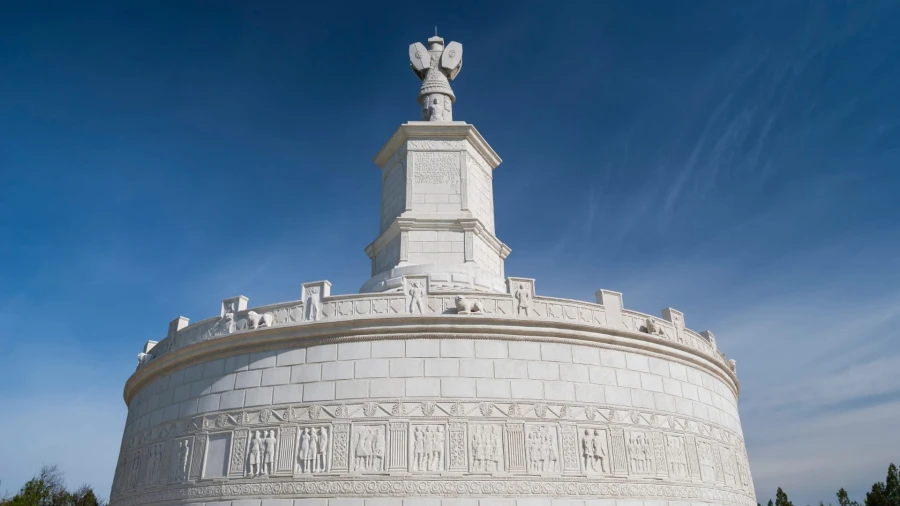
Tropaeum Traiani Adamclisi
Gura Dobrogei Cave (Bats' Cave), La Adam Cave and St. Andrew's Cave (a monastery) offer insight into human evolution and spirituality, while rural settlements such as Crucea commune preserve local traditions.
The Monasteries of Saints Pantelimon and Casian invite quiet reflection, while the Callatis Archaeology Museum rounds out the historical picture of Dobruja. Tuzla Beach is 70 km away.
Some 200 million years ago, the area was covered by a warm sea, the Tethys Sea. Today, visitors can admire petrified coral atolls, evidence of prehistoric marine life.
The Cave of Skulls is located at the southern entrance, on the left side of the road. Archaeological excavations have uncovered cut skulls and ritual pits with human bones.
La Izvor Cave, located at the northern end, across from Izvor, has been inhabited since the Middle Paleolithic. Bones of prehistoric animals, stone tools and pottery from various periods have been discovered here.
Babei Cave, located at the entrance from the Constanța side, has been studied by archaeologists, revealing occupation layers, fossils, hearths and pottery.
The right side of the gorges is a paradise for climbers, with numerous marked and bolted routes suitable for both amateurs and professionals. Access requires specialized equipment and appropriate know-how.
At the end toward the village of Cheia, near the confluence of Cheia Creek and the Casimcea River, lies the Izvorul din Chei spring, with drinking water. See details on DobrogeaExplore.ro
Accommodation near the Dobruja Gorges
To fully enjoy the beauty of the Dobruja Gorges and the surrounding area, you have a variety of accommodation options to suit different preferences and budgets:
For accommodation near the Dobruja Gorges, you can choose from the following options:
Hotel Emi (Mihail Kogălniceanu): Located 18 km from the Dobruja Gorges, in Mihail Kogălniceanu, Hotel Emi offers air-conditioned rooms with a flat-screen TV and a private bathroom with a shower and free toiletries. Facilities include a terrace, a bar and free private parking.
Ca acasa Corbu 2 (Corbu): Set in the village of Corbu, about 30 km from the Dobruja Gorges, “Ca acasa Corbu 2” offers a terrace. The rooms are simple and provide a comfortable stay.
Ca acasă Corbu (Corbu): Located on the seafront in Corbu, 23 km from Lake Siutghiol, “Ca acasă Corbu” offers free WiFi, free bikes, a garden and a shared lounge. The rooms come with the amenities you need for a relaxing stay.
Weather
To give you an idea of the temperatures in the area at this time of year, we have chosen Târgușor (one of the localities on whose territory the reserve lies) as a reference point.
The weather in Târgușor, Constanța County, today and over the next 7 days:
Dobruja Gorges – Key Facts and Curiosities
The Dobruja Gorges are not just a spectacular landscape but also a treasure trove of geological and archaeological information. Here are a few key facts that show the importance of the area:
Protected area: A vast area of 10,929 hectares has been declared a Special Protection Area for birds, including the Gura Dobrogei, La Adam Cave and Gura Dobrogei Cave nature reserves, underlining its ecological value.
Location: Located about 48 kilometers from Constanța, in a south-northwest direction, the Dobruja Gorges are easy to reach for a getaway in nature.
Human remains: La Adam Cave holds a Homo sapiens molar that is an impressive 100,000 years old, offering insight into the region's distant past.
Altitude: The gorges lie at an average altitude of 86 meters, offering panoramic views of the surroundings.
Paleontological wealth: La Adam Cave has so far revealed 80 species of Jurassic fossils, making the area a major point of interest for paleontologists.
See details in Jurnalul.ro
The Dobruja Gorges differ from other gorges in Romania, such as Turda Gorges or Bicaz Gorges, in their much greater geological age and their distinctive landscape, marked by fossilized coral atolls, remnants of a prehistoric sea. With the road running so close, they may also remind you of Vălișoara Gorges.
The Dobruja Gorges are an area of interest for biodiversity conservation and nature watching.
Also read: 14 Resorts on the Romanian Black Sea Coast, Danube Delta.
Frequently Asked Questions
What are the Dobruja Gorges and what makes them special?
The Dobruja Gorges are a limestone defile in Constanța County, remarkable for being the oldest gorges in Romania and the only place where you can see the remains of fossilized coral atolls, vestiges of a prehistoric sea.
How do I get to the Dobruja Gorges and what can I do there?
The Dobruja Gorges can be reached by road from Medgidia, Constanța or Tulcea. Once there, you can admire the unique landscape, explore the caves (La Adam Cave, the Cave of Skulls), go climbing on the specially equipped routes or visit nearby attractions such as Casian Monastery or the Histria fortress.
What kind of accommodation can I find near the Dobruja Gorges?
Near the Dobruja Gorges there are various accommodation options, from hotels in Mihail Kogălniceanu to guesthouses and guest homes in the villages of Corbu or Grădina. They offer a range of facilities, from terraces and bars to beach access and outdoor activities.