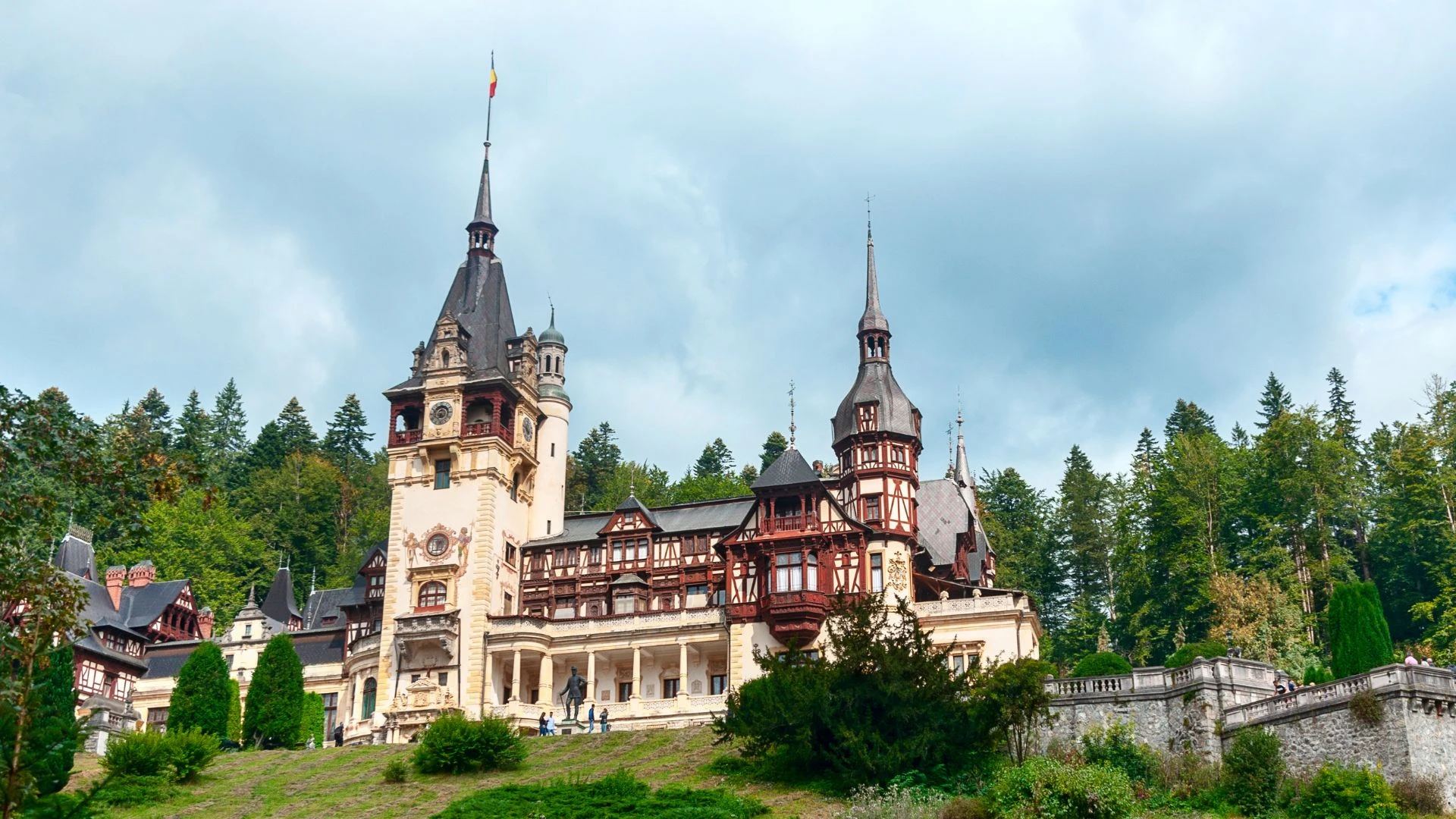
Considered one of the most beautiful buildings in Europe, Peleș Castle is the crown jewel of Romanian tourism.
Located in the heart of the resort town of Sinaia, the monument is today the Peleș National Museum, an institution that keeps alive the memory of the Royal Family and the glory days of the monarchy.
Peleș Castle – Sinaia
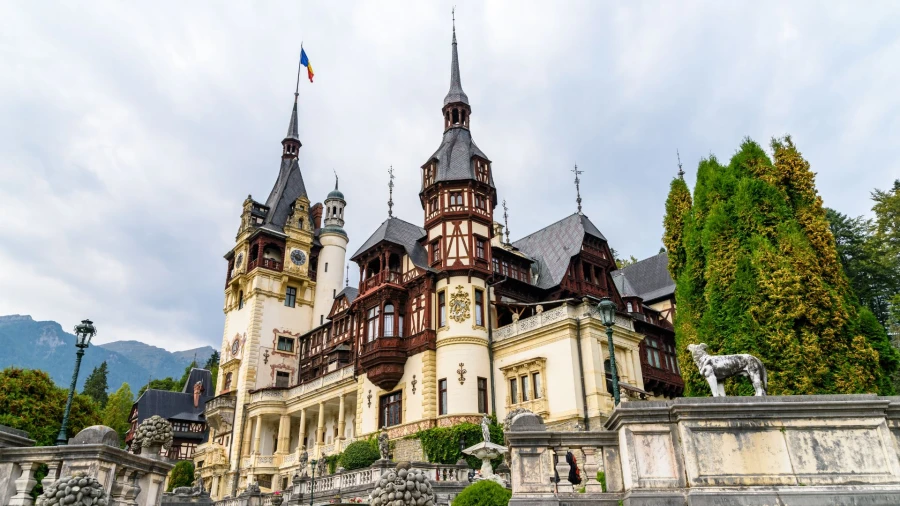
Tourists are fascinated by the architectural grandeur of Peleș Castle. Whether you're passionate about art and history or want to compare its elegance with the Gothic fame of Bran Castle, a visit here is enchanting.
The complex, which also includes Pelișor Castle (or “The Dream of Queen Marie”), is a living history lesson under its official name of National Museum.
In this article:
The History of the Peleș National Museum in Sinaia and the Architecture of Peleș Castle
The story begins in the time of King Carol I, who, enamored with the wild landscape at the foot of the Bucegi Mountains, decided to build a summer residence.
The work was initially entrusted to architect Johannes Schultz, who proposed a German Neo-Renaissance style typical of the 15th and 16th centuries. Later, Czech architect Karel Liman took over coordination and made significant changes, including the central tower, which reaches a height of 66 meters.
Peleș Castle in winter
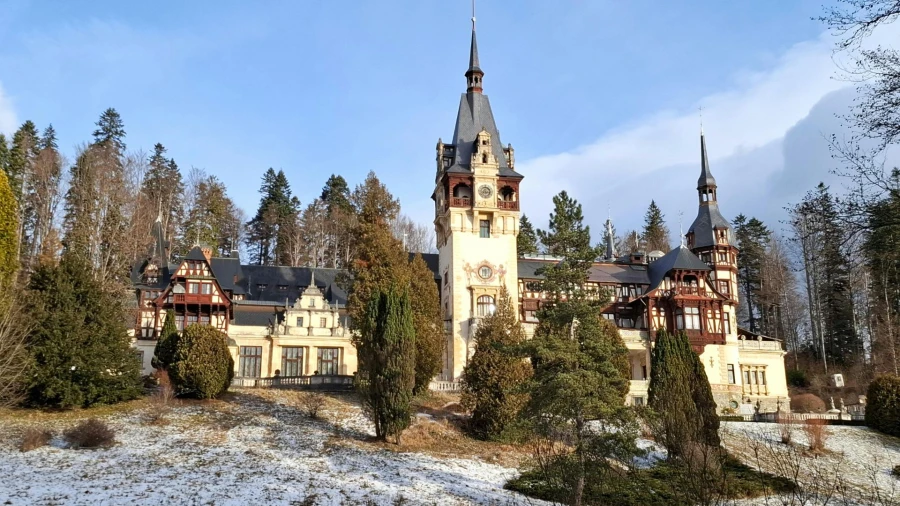
The cost of building Peleș Castle was colossal for the time, estimated at around 16 million gold lei.
The castle was completed in its final form in 1914, although the official inauguration took place earlier, in 1883.
Over time, Peleș Castle hosted numerous international figures, from emperors to artists, becoming a symbol of Romanian royal power.
Among the world figures who visited the castle are:
Franz Joseph I – Emperor of Austria-Hungary
Frederick III – Crown Prince of the German Empire
Franz Ferdinand – Archduke of Austria
Gustaf V – King of Sweden
Pierre Loti – French writer and officer
Sarah Bernhardt – World-renowned actress
Richard Nixon – President of the United States of America
Gerald Ford – President of the United States of America
Muammar Gaddafi – Leader of Libya
Yasser Arafat – Leader of the Palestine Liberation Organization
The Peleș Castle semicentennial celebrations marked an important moment in interwar history, strengthening its status as a national symbol under the reign of Carol II.
Visiting the Peleș National Museum: From the Hall of Honor to the Imperial Apartment
Once opened to visitors, the interior of Peleș Castle reveals a fascinating world. The tour usually begins with the Hall of Honor, which is decorated with walnut paneling and has a movable glass ceiling, a remarkable technical innovation for the time.
Interior walls
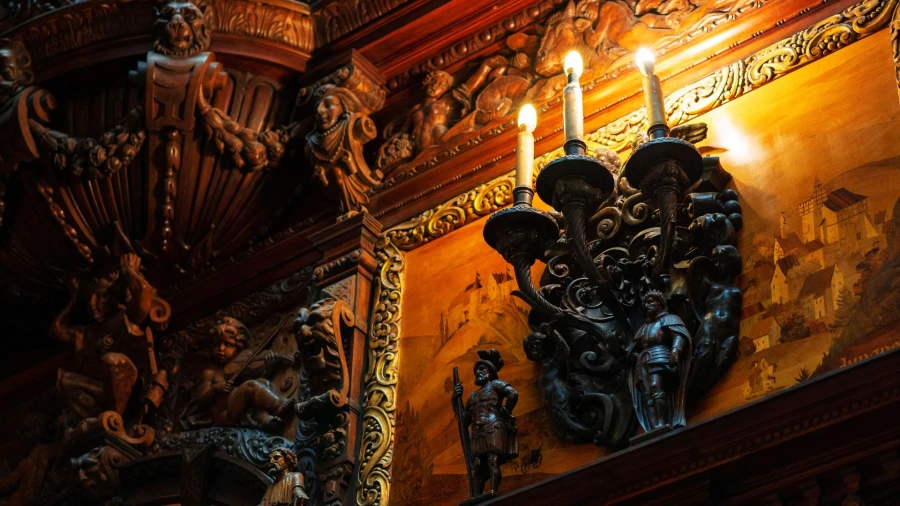
The interior architecture of the Hall of Honor prepares you for the succession of themed rooms:
Music Room: A space for the cultural evenings hosted by Queen Elisabeth.
Florentine Hall: Where the Italian Neo-Renaissance style prevails.
Moorish Hall: A masterpiece of the Hispano-Moorish style, with Oriental elements and a marble fountain, designed by Charles Lecompte du Nouy.
Imperial Apartment: Specially furnished for the visit of the Emperor of Austria-Hungary, Franz Joseph, it is an example of luxury and refinement.
Don't miss the stained-glass windows of Peleș Castle either: original pieces brought from Switzerland and Germany that filter the light in a magical way.
Castle interior
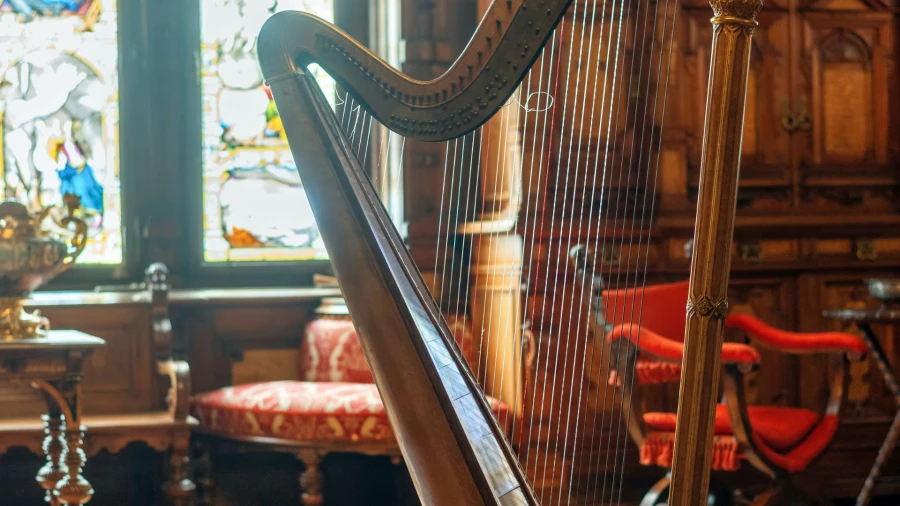
On the first floor, visitors can admire the Concert Halls and the Royal Apartments. The castle is also closely tied to the life of Princess Ileana, daughter of Queen Marie, who spent part of her childhood on the royal estate.
The Royal Complex: Pelișor Castle, the Royal Family, Peleș, and the Surrounding Nature
The royal estate isn't limited to the main building. Pelișor Castle, just a few steps away, was the residence of Queen Marie and King Ferdinand. Unlike the monumental Peleș, Pelișor is decorated in the Art Nouveau style and feels more intimate.
Inner courtyard
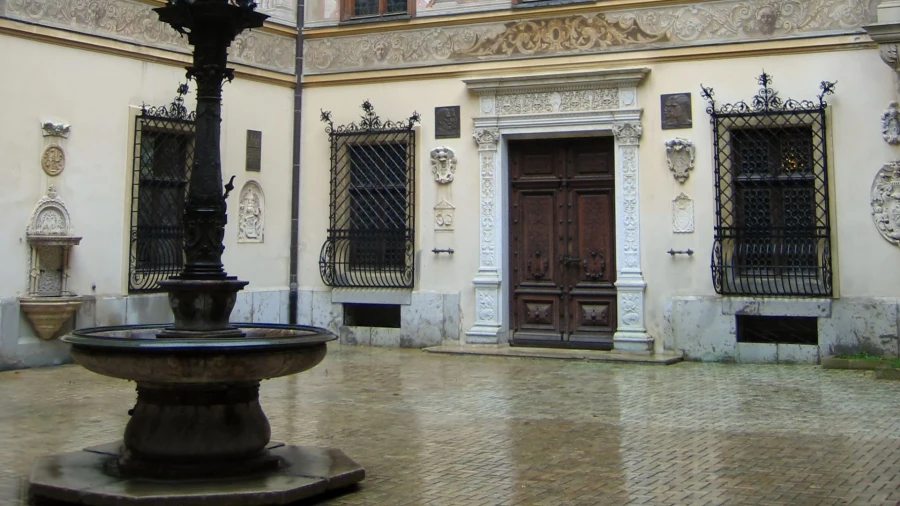
The area is unique in the way architecture blends with nature. Peleș and its estate benefited from complex engineering works. For example, the water supply and the hydraulic system were connected to sources such as the Podul Neagului area (the valley of the Peleș stream).
Tourists who come here can extend their visit with hikes to Piatra Arsă or head down into town to visit Sinaia Monastery, the old place of worship that gave the town its name and is located near the Peleș National Museum.
Useful Information: Opening Hours, Online Tickets, and Podul Neagului as a Landmark
To avoid lines, especially in peak season, it's best to buy tickets online from the official website of the Peleș National Museum. Be sure to check the opening hours, as the national museum has days when it is closed for conservation (usually Mondays and Tuesdays).
Access is easy from the center of Sinaia: you pass by Sinaia Monastery and walk up the cobblestone path. For those interested in the local geography, it's fascinating to know that the castle's location was chosen strategically, in a dreamlike natural setting where crystal-clear waters (originating in the watershed toward Podul Neagului) complete the fairy-tale landscape of Peleș Castle.
Good Restaurants Near Peleș
Looking for good restaurants near Peleș Castle? Sinaia, where the castle is located, has plenty of excellent options, from traditional to international cuisine.
Here are a few recommendations, including some very close to the castle:
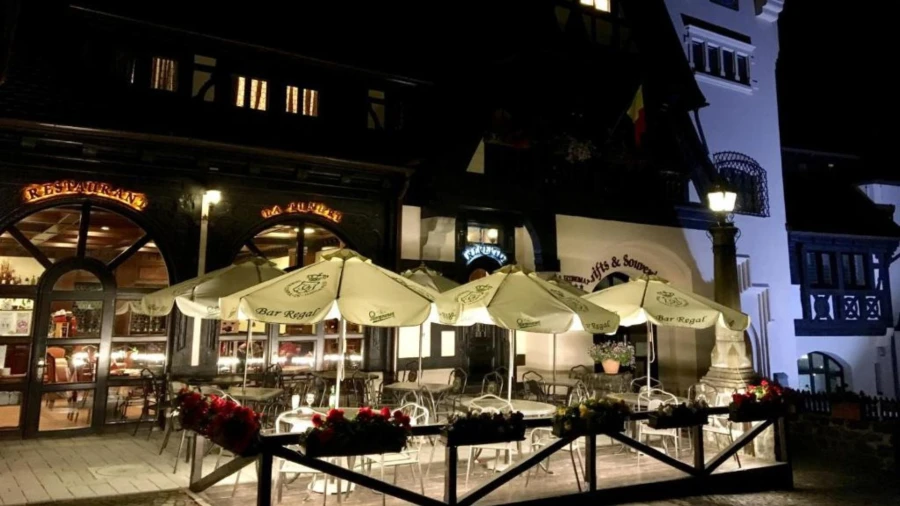
La Tunuri Restaurant: It's located right on Aleea Peleșului, at number 2, so it's extremely close to the castle. Here you can enjoy a selection of local and international dishes, and it even hosts wine tastings featuring the Licorna Winehouse winery. It's an excellent option for breakfast, lunch, and dinner.
La Tunuri restaurant and terrace
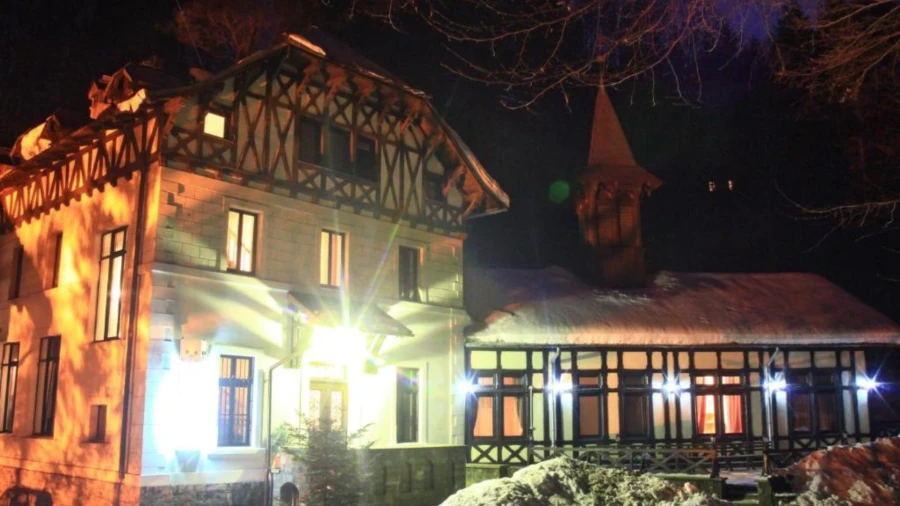
Stavilar Restaurant: It's also on the road leading to Peleș Castle, on the old Aleea Peleșului. It has a beautiful, quiet location next to Hotel Stavilar, with tables on the terrace and in a gazebo in the forest.
Hotel Stavilar
KUIB Restaurant: Considered one of the best restaurants in Sinaia, KUIB offers an accomplished culinary journey, with traditional Romanian, exotic, and vegetarian dishes. Tripadvisor has ranked it among the top 10% of restaurants in the world.
Taverna Sârbului Sinaia: If you like Serbian cuisine, this restaurant is an excellent choice. It's known for its rich flavors and dishes such as ćevapčići and pljeskavica.
Carol Gastro Bierhaus: This is a good place for breakfast in Sinaia.
Other popular restaurants in Sinaia, where you can find a variety of dishes, include Bistro La Teleferic, La Roq, Forest, WooD, Foișorul cu Flori, Snow, Licorna WineBar & Restaurant, Nargila Grill & Bar, and La Strada.
Accommodation Near Peleș Castle in Sinaia
There are plenty of options for accommodation in Sinaia, from hotels to guesthouses and apartments, some even on the Peleș Royal Estate or a very short distance away.
La Tunuri Complex
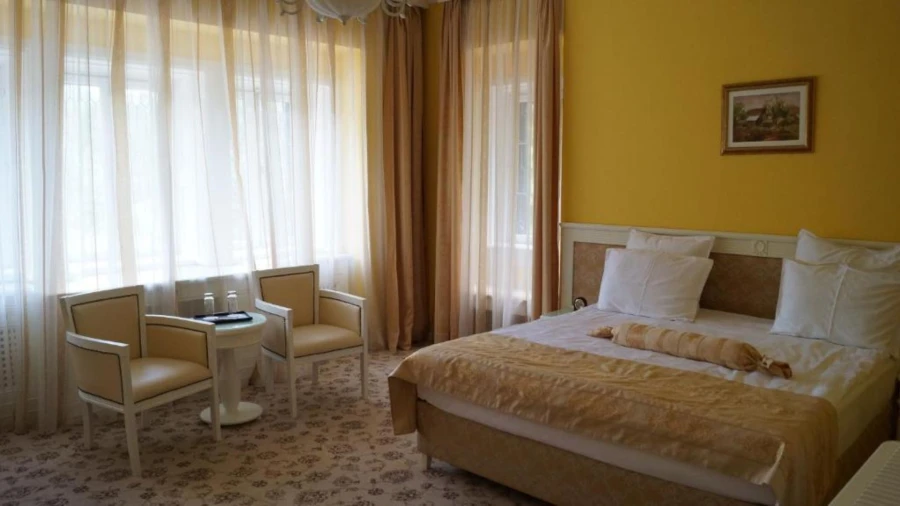
An excellent option, right on Aleea Peleșului, is La Tunuri Sinaia, which boasts a view of the castle. This property offers suites (Deluxe, Regal, Standard) and double/single rooms (Superior, Standard), furnished to 4-star standards.
Hotel Bastion
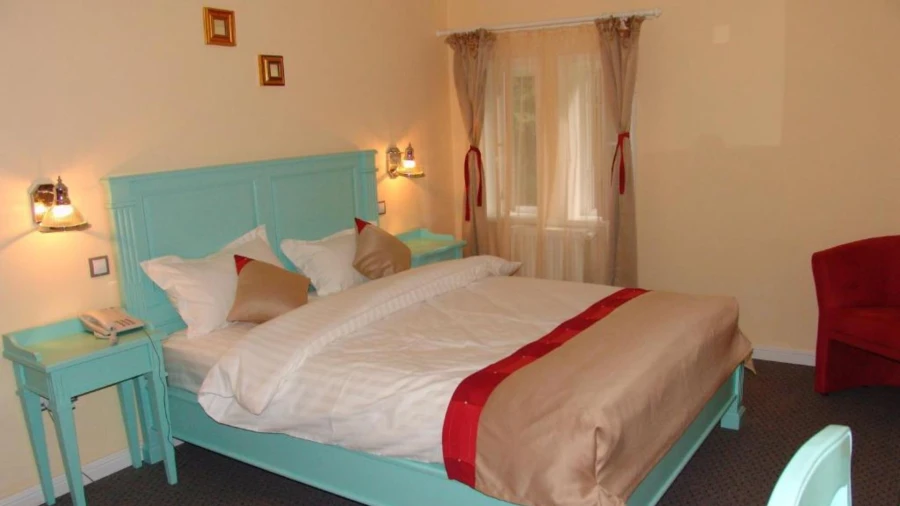
Hotel Bastion Sinaia is located right on the Peleș Royal Estate, on the road that climbs to the castle. The hotel combines aristocratic elegance with modern amenities and has a well-regarded restaurant serving Romanian and international cuisine.
Villa Tom
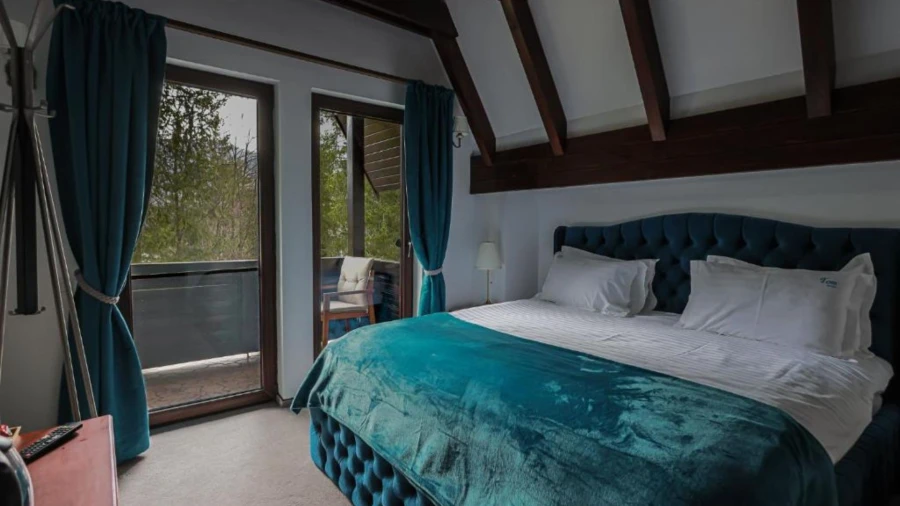
Opus Villa
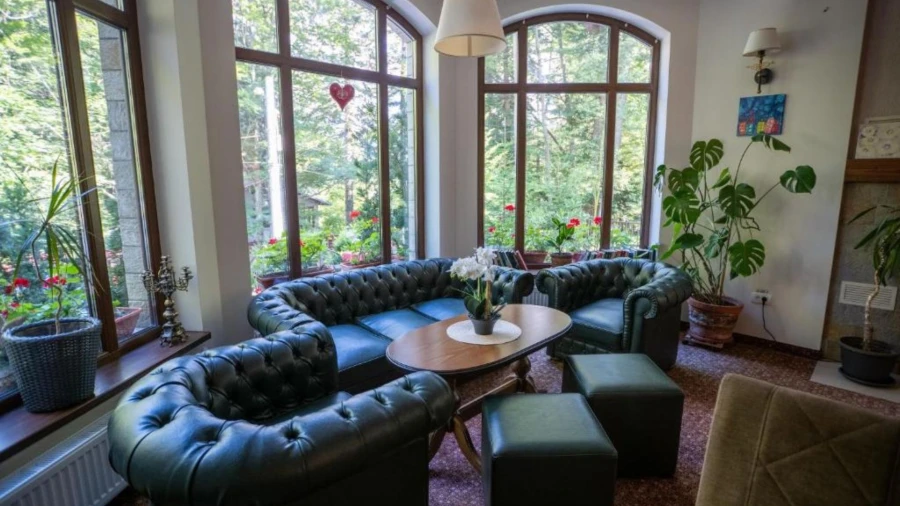
Hotel Smart
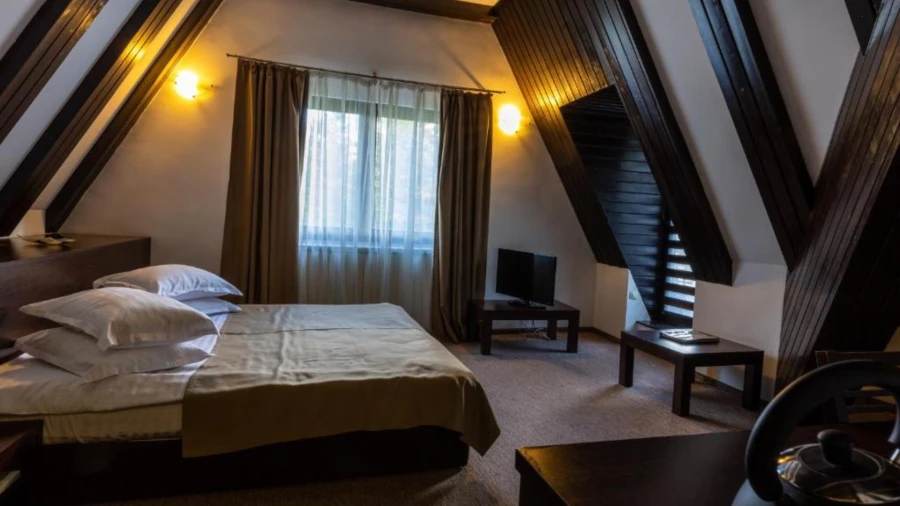
Hotel Sinaia
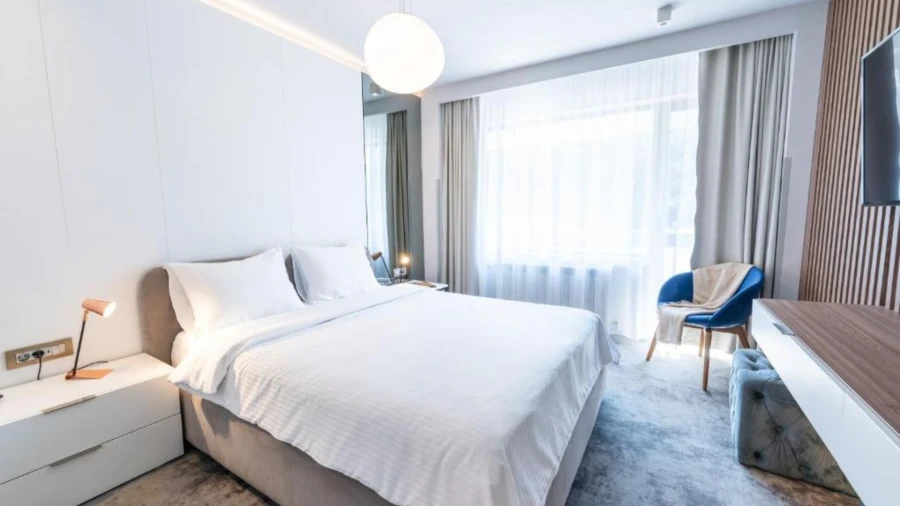
If you'd like to explore other options near Peleș Castle, here are a few properties: Hotel Smart, Villa Tom, Hotel Sinaia, Opus Villa.
Of course, there are also many other guesthouses and hotels in Sinaia that you can search for based on your preferences.
Conclusion
Peleș Castle is not just a summer residence, but a masterpiece of European Neo-Renaissance architecture and a symbol of Romania's modernization under King Carol I. The attention to detail, from the wood carvings to the art collections, makes this place a living monument to royal elegance. A visit here is more than a tourist outing: it is an essential immersion in Romania's history and culture.
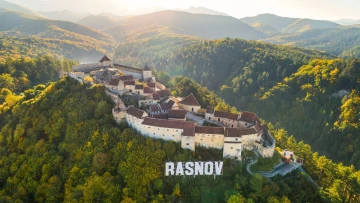
Also visit Cantacuzino Castle in Bușteni, the resorts of Sinaia, Bușteni, and Azuga, as well as iconic nearby landmarks such as Râșnov Fortress.