Polovragi Cave is a wonderful creation of nature located in Gorj County, in the Căpățânii Mountains of the Southern Carpathians, at an altitude of 670 m.
With amazing geological formations and a fascinating history, the cave is a remarkable tourist attraction that combines natural beauty with underground mystery.
In this article
Access and Distances
Polovragi Cave is reached mainly via the national road DN67C, which links the city of Târgu Jiu with the town of Novaci.
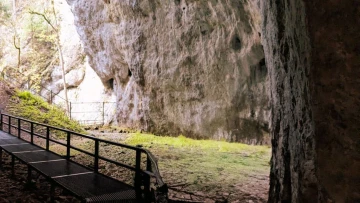
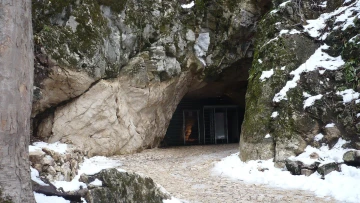
The cave is located near the village of Polovragi, about 300 meters from the Olteț Gorges, and the road is well signposted and easy to drive. From Polovragi, visitors can follow a marked trail to the cave entrance, which is set in a picturesque landscape.
It lies 15.3 km from Novaci (via DJ 665), the gateway to the Transalpina (DN 67C).
History and Legends
The cave was first discovered in 1876, on the territory of Polovragi commune, and immediately drew the attention of researchers and explorers of the time. Its name is linked to a plant called polovraga.
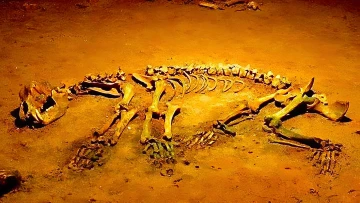
According to legend, folk healers processed the polovraga to prepare various potions. Numerous prehistoric artifacts have been found inside, including tools and human remains, suggesting that the cave has been inhabited since ancient times.
Visitors to the cave come away impressed, at the very least, by the natural spectacle it offers. Beyond the tangible reality of the cave, and following the thread of legend, mystics consider the place a portal to “the other world.”
Polovragi Cave is famous for the legend of Zalmoxis, the spiritual leader of the Geto-Dacians, who is said to have lived in this cave. According to tradition, inside the cave there is a throne-shaped stone known as “Zalmoxis's Seat,” along with many other Geto-Dacian symbols.
Those who come to the cave in search of the place's “tranquility” most often continue on to Polovragi Monastery, near the Polovragi Forest.
Polovragi Cave 1
The Underground World
Polovragi Cave has been explored by specialists over a length of about 10 km, of which only an 800-meter section is open to visitors.
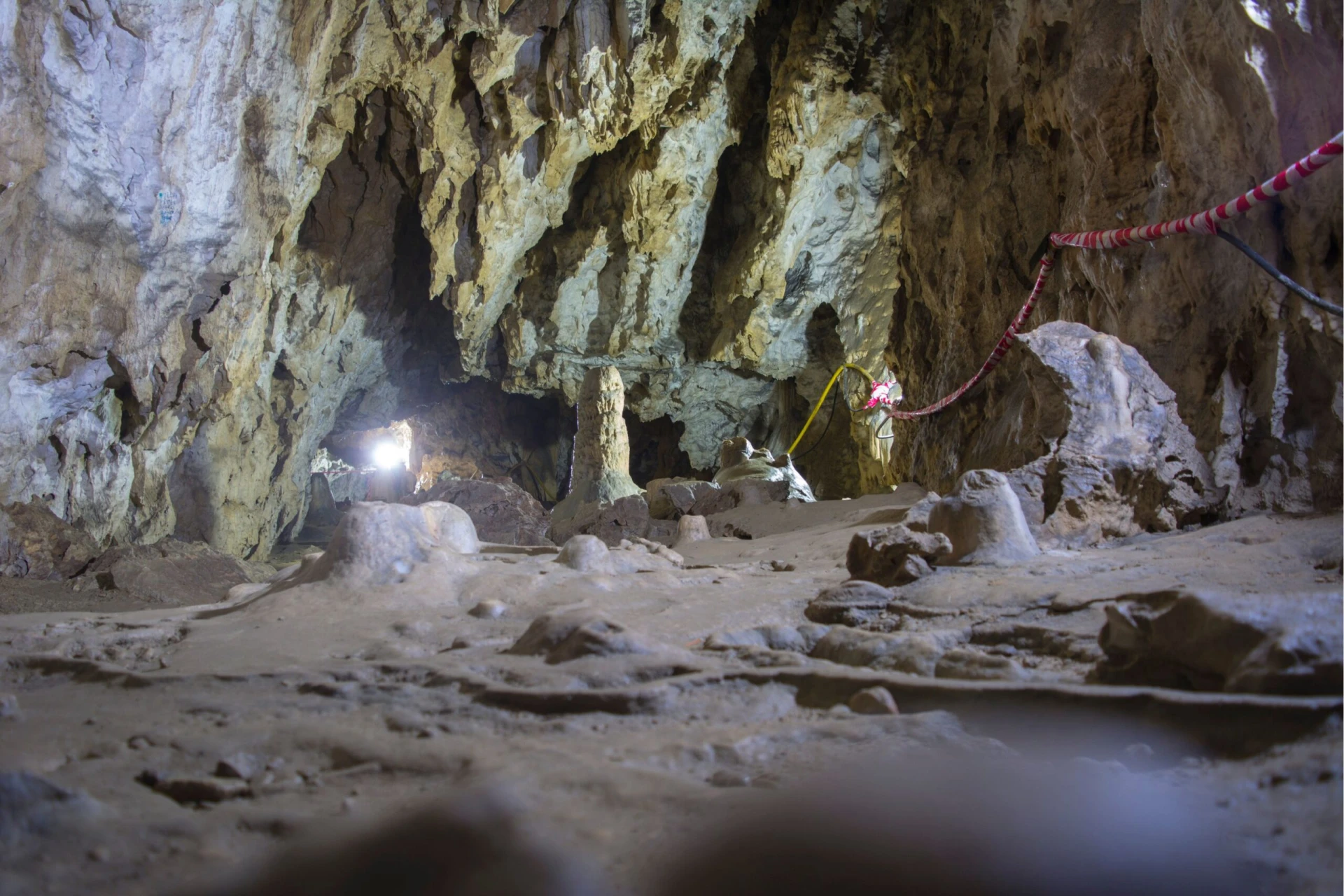
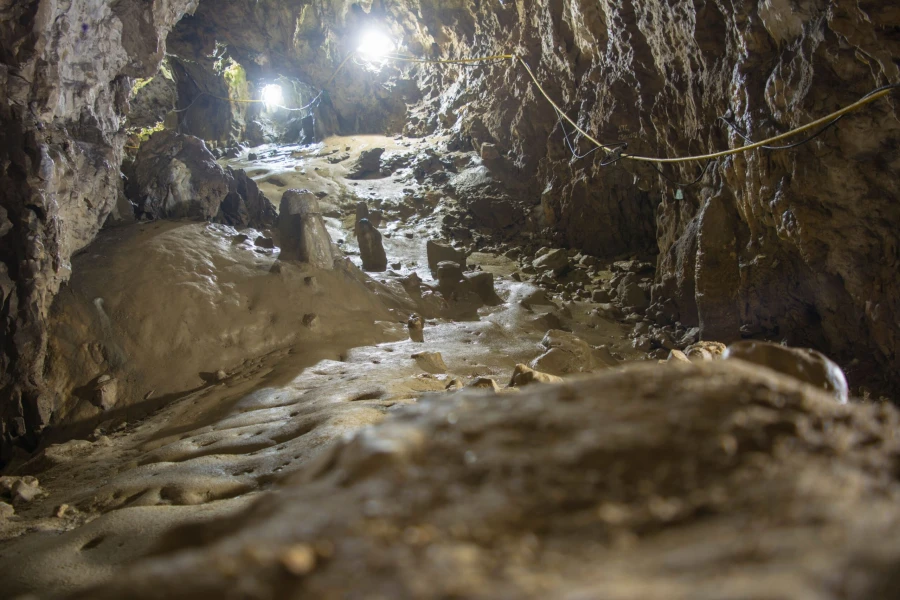
Exploring Polovragi Cave is a captivating experience. The entrance leads to a series of impressive halls and galleries where you can admire these unique formations.
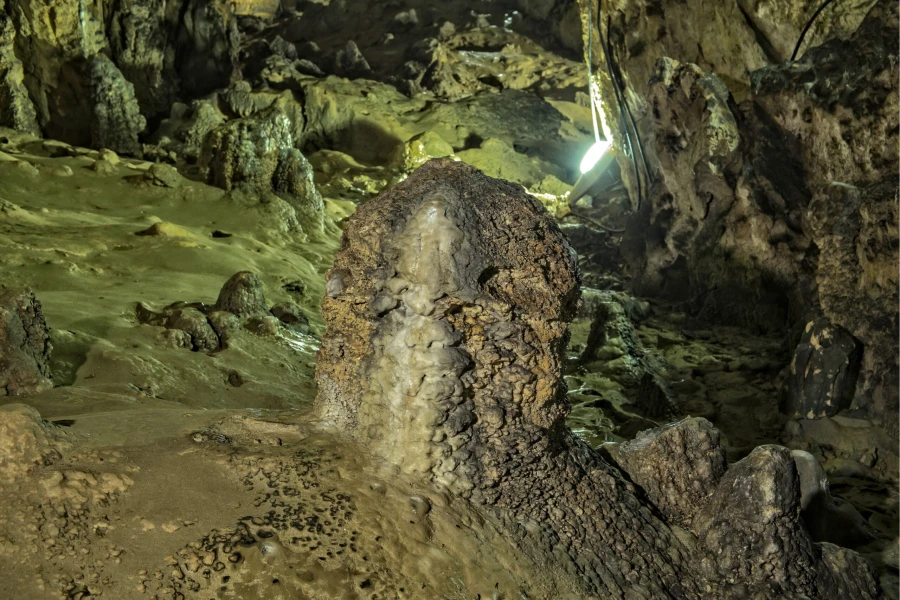
Depending on its features, each sector bears a name that reflects its spectacular character: “The White Room,” “The Corridor of Pillars,” “The Suffocating Corridor,” “The Ogive Sector.” Among the most notable halls is “The Dome Hall,” known for its high ceilings and spectacular stalactites.
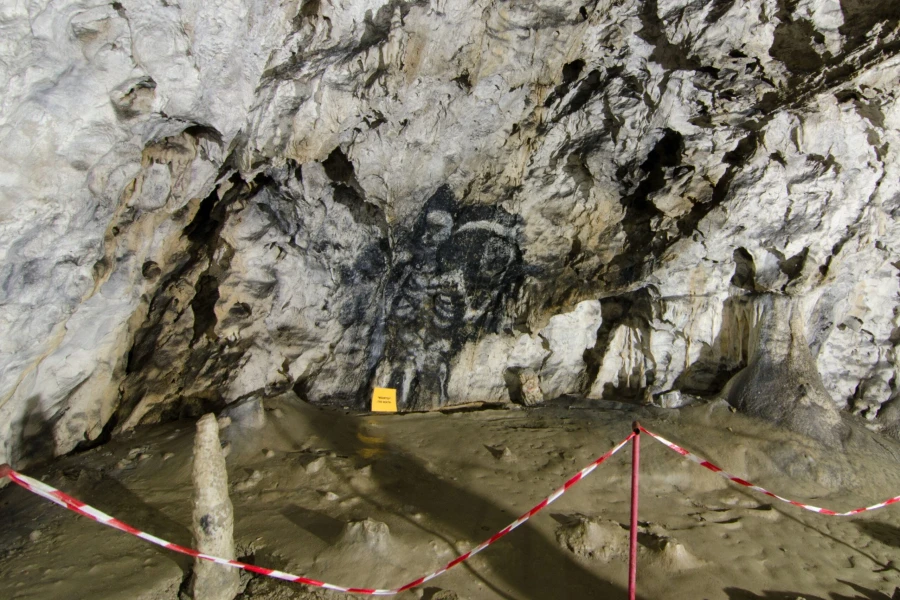
The first part of the cave, and therefore the most accessible section, served as a refuge from invaders for the people of the time, monks, and healers. Following the historical chronology, each era left its mark on the place, as shown by the analysis of historical sources and of the symbols inside.
The place where the monks lived as ascetics is marked by a painting made by the monk Pahomie in the lampblack technique, representing the symbol of death.
The last section of the gallery open to the public ends at the Spring of Hopes – “Iconița,” where, behind a limestone gour (a small pool of water), the Mother of God looks back at us.
The temperature inside stays at 8–9 degrees Celsius, regardless of the season.
A lighting system highlights the beauty of the geological formations, and qualified guides can share fascinating information about the history and geology of the cave.
Polovragi Cave 4
A Cave Home for 300 Bats of the Order Microchiroptera
Polovragi Cave is home to an extremely interesting population of about 300 bats, which belong to the order Microchiroptera and are called “horseshoe” bats because of their shape (Wikipedia). These bats have special adaptations for living underground and are essential to the cave's ecosystem.
“Horseshoe” bats are known for their relatively small size, long, thin wings, and ability to navigate precisely in the dark using echolocation. They feed mainly on insects, which they detect and hunt in flight, preventing overpopulation and possible damage to the underground environment.
Their droppings (guano) also have significant ecological value, as they contain nutrients that support the growth of other organisms in the underground ecosystem. Bat guano is also an important food source for other organisms in the cave, such as bacteria that break down organic matter.
Hours and Prices
Expert guides accompany visitors on their underground journey through Polovragi Cave. They not only ensure safety but also enrich the visit with stories and interesting information about the cave, its history, and its underground life forms.
Before heading to the cave, it's a good idea to check the opening hours, which vary by season.
Generally, opening hours are 09:00-19:00, Monday to Sunday
Prices: 20 RON for adults, 10 RON for children and students (up to age 18)
Polovragi Cave 2
Tourist Attractions in the Area
Here are some of the remarkable places you can visit in Polovragi commune and the surrounding area, offering a variety of cultural, religious, and natural experiences:
Polovragi Monastery
An important religious and tourist site near Polovragi Cave. The monastery dates from the 14th century and is built in the Brâncovenesc style. Visitors can admire its architecture and interior paintings, as well as the surrounding natural scenery.
Arnota Monastery
Located about 50 km from Polovragi, Arnota Monastery is another important religious destination. The monastery is known for its traditional architecture and its quiet, contemplative atmosphere.
Olteț Gorges
Another fascinating place near Polovragi, the Olteț Gorges are remarkable for their spectacular rock formations and wild, picturesque scenery. The paths through the gorges offer excellent opportunities for hiking and exploring nature.
Ursache's Cross
This monumental cross stands on a high rock at the foot of the Parâng Mountains and offers an impressive view of the surrounding region. It's a popular spot for those who want to enjoy mountain panoramas and connect with nature.
Muierii Cave
Also in Gorj County, 6 km from Polovragi, Muierii Cave is among the most visited sights in the area. See details.
Accommodation
In Polovragi and the surrounding area, there's a variety of accommodation options to suit different preferences and budgets. Minodora Guesthouse is one of them, with affordable prices, a terrace, a garden, a children's playground, and a restaurant.
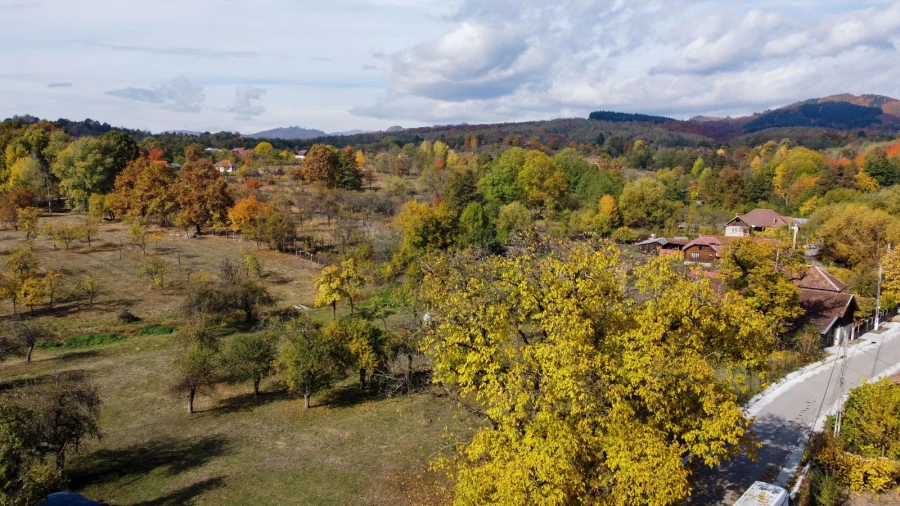
Scenery at Minodora Guesthouse
The Casa Almi guesthouse offers comfortable, welcoming accommodation, with spacious rooms and modern amenities. Its ratings on Booking.com are at the “Exceptional” level.
Casa Almi Guesthouse
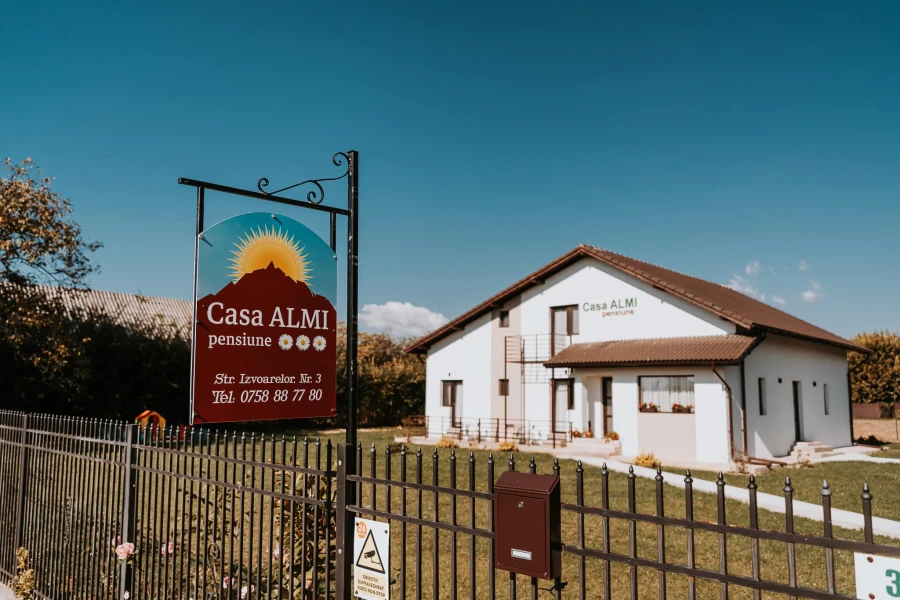
Castania Guesthouse gives you the chance to enjoy a pool in the mountains. These guesthouses are located near the area's main tourist attractions, offering an excellent base for exploring Polovragi Cave, and are about 30 km from Transalpina Ski Resort.
Castania Guesthouse
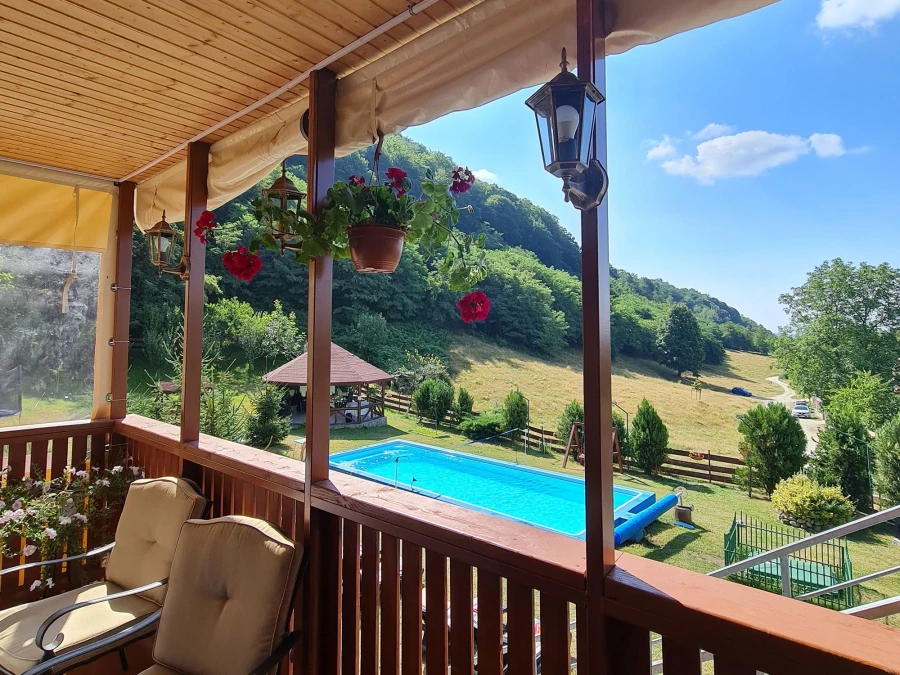
From the warm, authentic atmosphere of traditional inns to the comfort and modern amenities of guesthouses, visitors are sure to find the perfect option for relaxing and enjoying the beauty and tranquility of the region.
Weather in Polovragi
Here is the weather forecast for the next 7 days in Polovragi:
5 Interesting Facts About Polovragi Cave
It has an extremely spacious entrance, which makes access easy;
It has electric lighting along 600 of the 800 meters of accessible gallery;
It is high enough to visit without having to stoop;
It keeps a constant temperature all year round, averaging about 9 degrees Celsius;
It has an average humidity of 90% and “rains” with drops from seepage, and the water is rich in compounds such as calcium carbonate, silicon dioxide, or iron oxide. Depending on the impurities in the water, the cave walls take on a variety of colors, which gave rise to the names of its different sectors;
Polovragi Cave 3
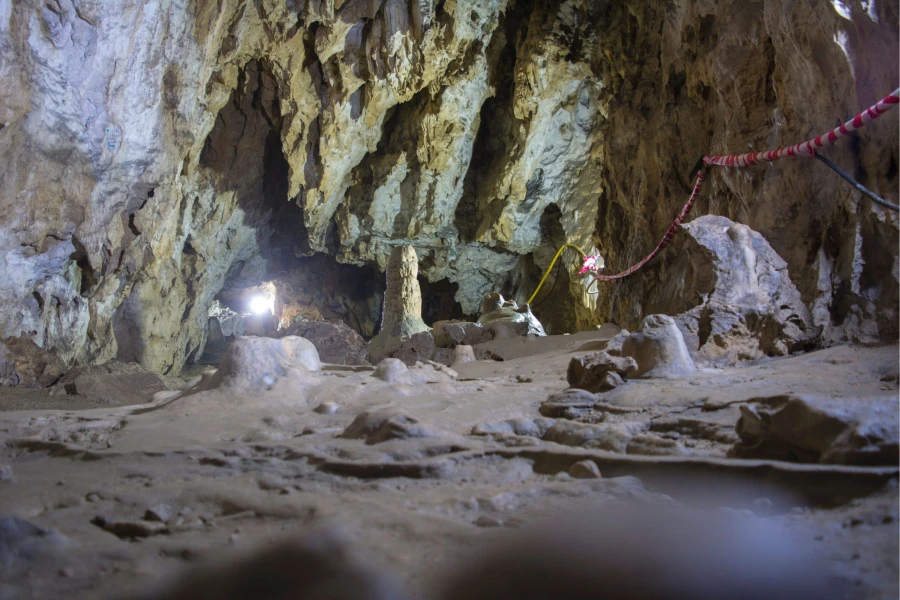
Polovragi Cave is a spectacular attraction in Romania, with a rich history and impressive formations. Visitors are greeted by remarkable natural scenery and an atmosphere full of mystery. It's a place worth discovering for its unique beauty and its role in local culture.