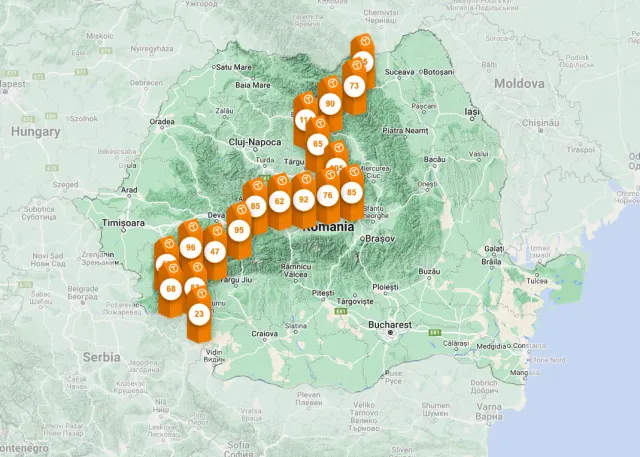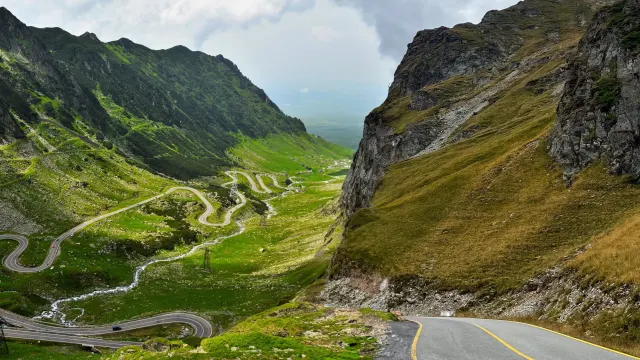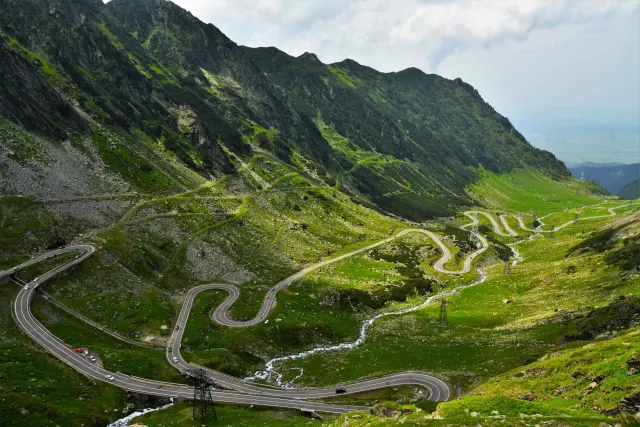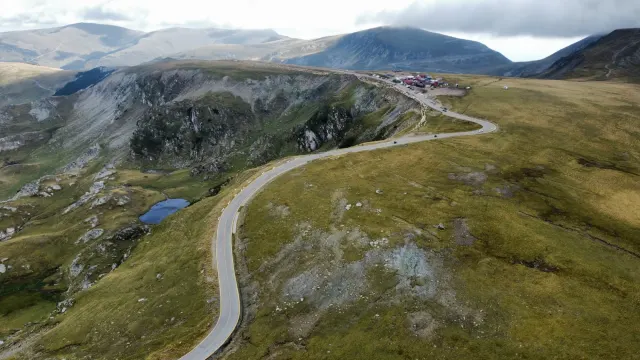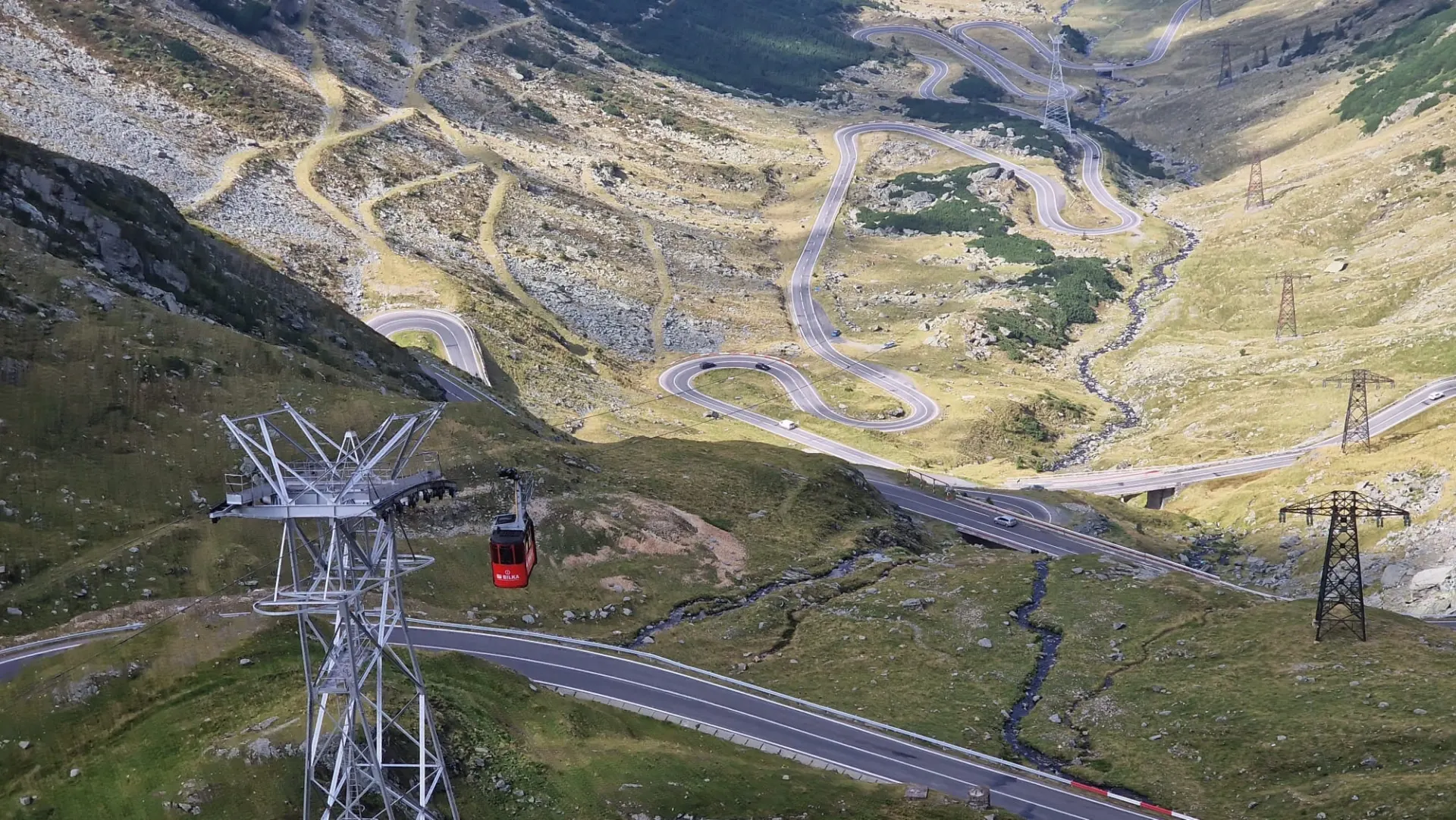
Below are 10 travel tips for areas with no signal and difficult routes (the Transalpina, the Transfăgărășan).
In this article: Travel tips for areas with no signal and difficult routes
1. Preparing your car
Check your car's mechanical condition before you leave: oil level, tire pressure, brakes, etc.
Make sure you have enough fuel and, if possible, bring a metal fuel can, tightly closed and secured in the trunk (gas stations are not allowed to fill plastic containers).
2. Maps and navigation
Since the signal can be unreliable, make sure you have paper maps or download offline maps to your mobile devices.
Plan your route in advance and let someone know your destination and route.
3. Careful driving
On roads with many curves, increase your distance from the vehicle in front and reduce your speed.
On tight curves with limited visibility, keep to the right. If you need to signal your presence, you can briefly use your horn or headlights, but don't overdo it, and don't do it where there is a “No honking” sign. Hazard lights should only be used when the car is stopped or moving very slowly.
4. Essential gear
Carry a first aid kit, a flashlight, food and water, as well as tools and emergency equipment for the car (jumper cables, an air compressor, etc.).
5. Communication
In areas with no signal, a satellite phone or a satellite messenger with an SOS button is useful in emergencies. A CB radio only connects you with other CB users nearby. The 112 emergency number can also be called through another carrier's network, if that network has coverage in the area.
6. Check the weather
Check the weather forecast before you leave and be prepared for bad weather.
7. Regular breaks
On routes with many curves, it's essential to take regular breaks to avoid fatigue and stay focused.
8. Physical condition
Avoid driving if you feel tired or dizzy, or if you have consumed alcohol or medication that can affect your ability to drive.
9. Knowing the area
If you are not familiar with the area, find out about the route's particular features, possible hazards, or sections where the road may be damaged.
10. Driving at night
If you have to drive at night, make sure your headlights work properly and that you have good visibility.