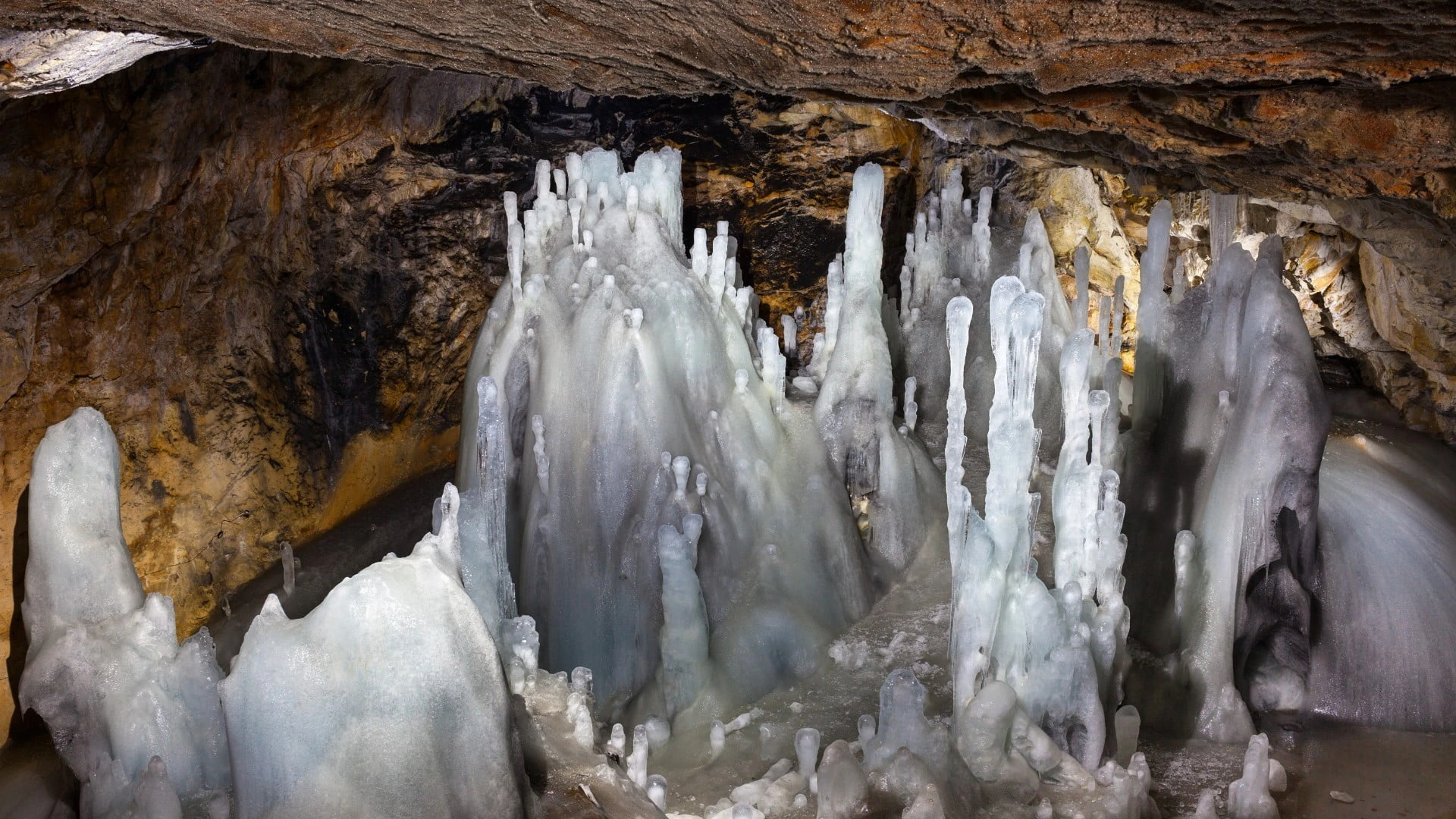
The Apuseni Mountains, a true natural gem of Romania, hide in their depths some of the most impressive underground glaciers in the world.
These unique natural formations offer both a spectacular sight and opportunities for scientific research.
Here are the top 5 underground glaciers in the Apuseni Mountains:
1. Scărișoara Ice Cave
Located in Scărișoara Ice Cave, this glacier is the largest and best-known underground glacier in Romania.
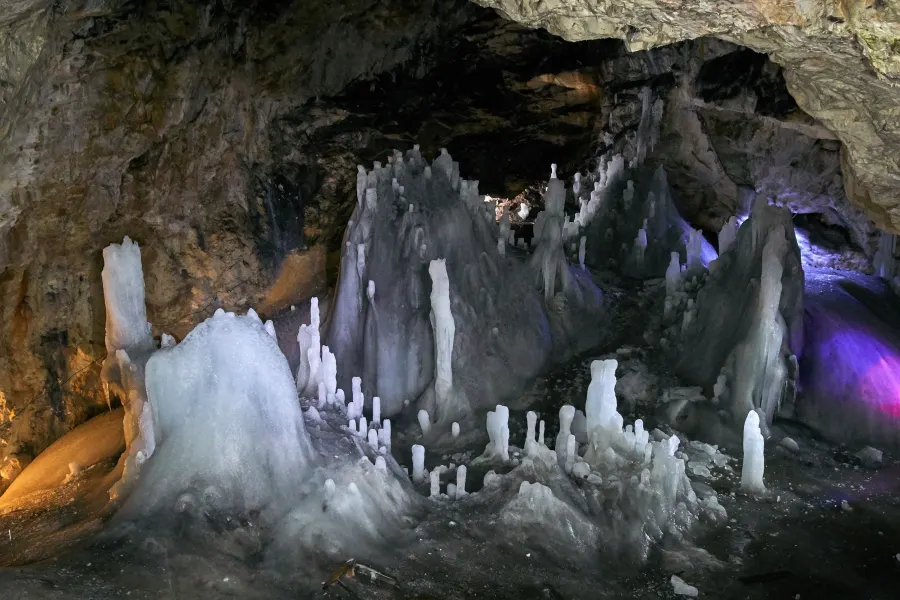
With a volume of about 100,000 cubic meters, the glacier impresses with its size and the age of its ice: the oldest dated layers are about 10,500 years old. In recent years, the ice has been visibly melting, as with the other glaciers in the Apuseni Mountains.
Scărișoara Ice Cave, reached through a huge shaft about 48 meters deep that you descend on metal stairs, is a popular destination for both tourists and speleologists.
2. The Glacier in Focul Viu Cave
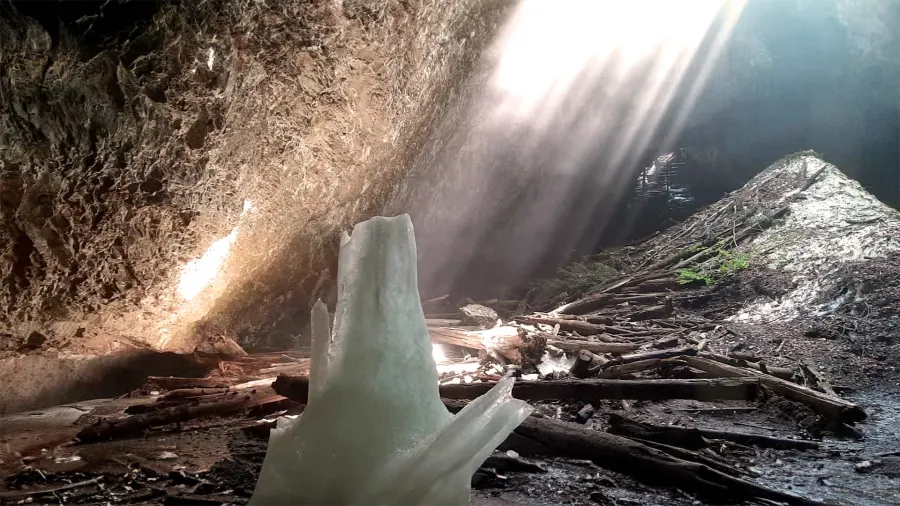
The glacier lies in a cave in Apuseni Natural Park, in the Padiș area (Pietroasa commune, Bihor County), and became famous for the spectacular effect of the sunlight that enters through an opening in the cave ceiling.
The sun's rays falling on the ice created the impression of a living fire (“focul viu”), hence the cave's name. The ice block, about 25,000 cubic meters, was the third largest in Romania, after those at Scărișoara and Borțig.
In recent years, however, the glacier has melted almost completely, and the large chamber is closed off with an iron door, through which only a white patch of ice can still be seen. Focul Viu Ice Cave is not developed for tourism, and the park's undeveloped caves can only be visited with the approval of Apuseni Natural Park.
3. The Glacier in Borțig Cave
Located on the Padiș Plateau, in Pietroasa commune (Bihor County), this cave holds one of the largest underground glaciers in Romania, with 25,000–30,000 cubic meters of ice.
Borțig Cave is a shaft about 54 meters deep, with a wide mouth of approximately 35 meters, where the ice begins at a depth of around 40 meters.
The glacier is smaller than the one at Scărișoara. The rim of the shaft is easy to reach on a marked trail, but getting down to the ice means an undeveloped vertical drop, and the shaft is a speleological reserve closed to the public.
The cave is less known and less visited, offering a place of quiet and contemplation for those who want to avoid the crowds and enjoy nature in a wild setting.
4. Barsa Ice Cave
This glacier is in Barsa Ice Cave, in the Padiș area of the Apuseni Mountains (Pietroasa commune, Bihor County), in a karst depression called Groapa de la Barsa.
The cave has two entrances, and you can walk in through the main one. Beyond it, a slope about 70 meters long is permanently covered by a thin layer of ice. The cave is over 3 km long, but without caving equipment and experience you can only explore a few hundred meters.
The cave is ideal for those looking for an exploration and adventure experience, as it is less accessible to casual tourists.
5. The Glacier in Vârtop Ice Cave
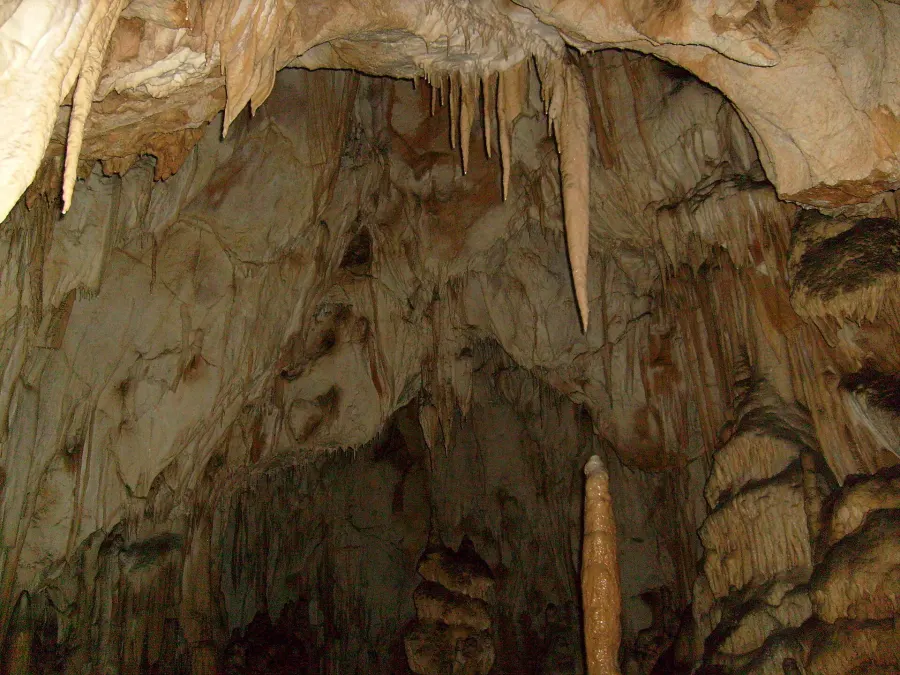
Located near the village of Casa de Piatră (Arieșeni commune, Alba County), the cave holds a small glacier of about 1,600 cubic meters, but it is best known for the footprint of a Neanderthal discovered here. The cave is open to visitors.
Vârtop Ice Cave offers a fascinating combination of natural and historical attractions. The ice formations and ice blocks are impressive, and beyond them, the cave is famous for discoveries that offer insight into prehistoric life.
In 1974, three footprints were discovered here, one of which has been preserved. Dated using the uranium–thorium method, it is at least 62,000 years old and is attributed to a Neanderthal, which adds historical and cultural value to the cave, attracting both tourists and researchers.
Conclusions
Romania has more than 12,000 caves. The Apuseni Mountains are a true treasure trove of natural wonders, and the underground glaciers they hide are among the region's most impressive attractions.
Each cave offers a unique experience, from the imposing size of Scărișoara Ice Cave to the play of light, now almost gone, in Focul Viu Cave and the historical discoveries in Vârtop Ice Cave.
Visiting these underground glaciers is an opportunity to explore the hidden beauty of nature and to better understand the geological and climatic processes that formed them.