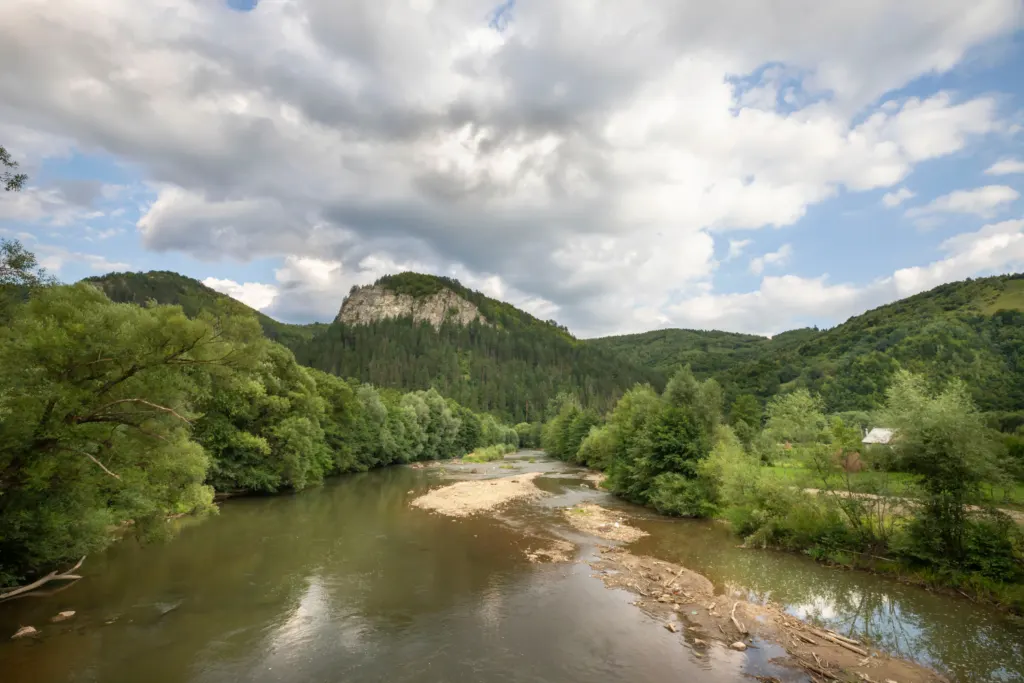
Arieș River
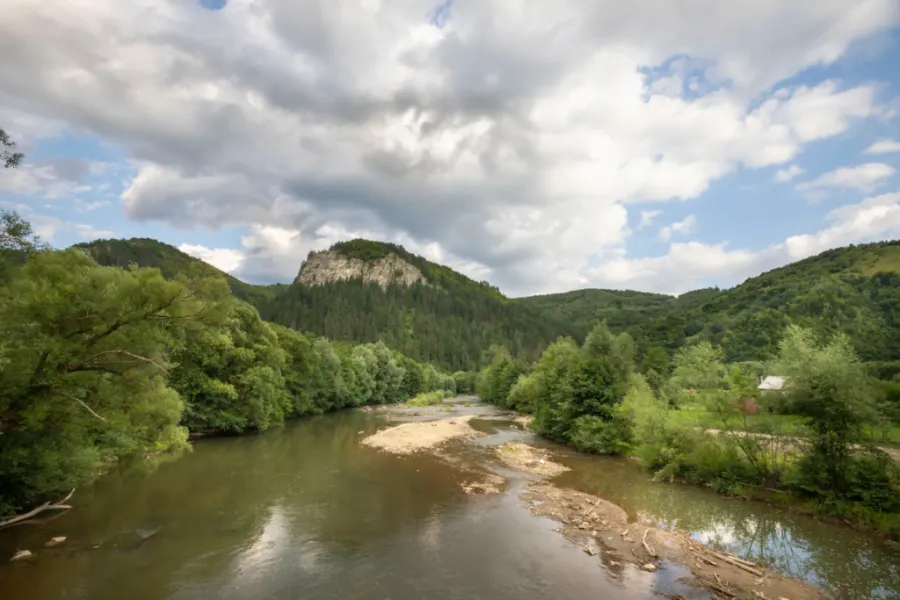
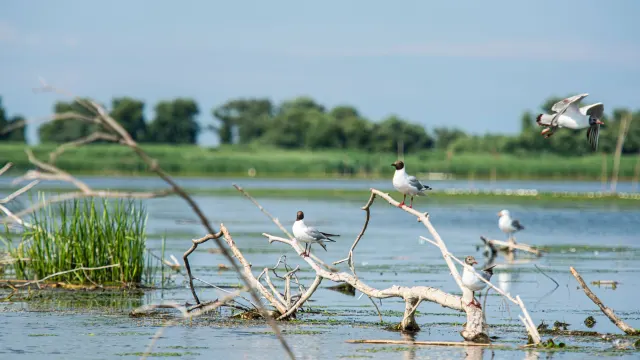
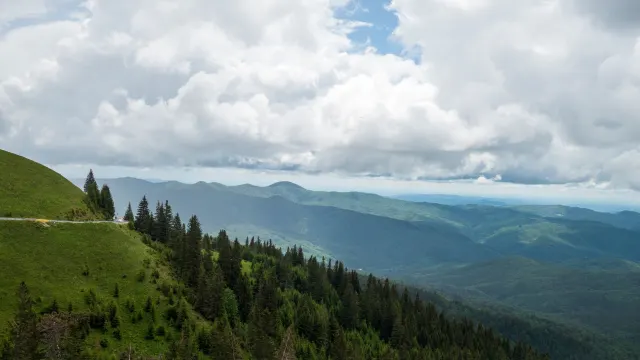
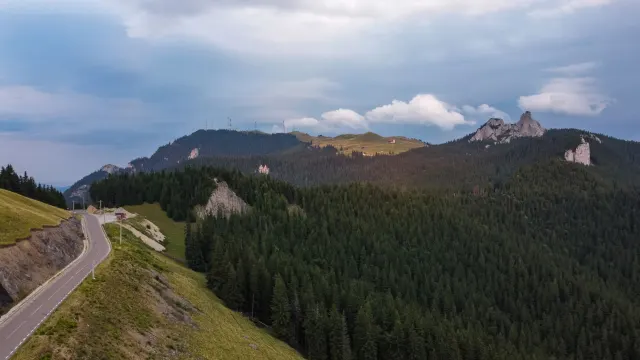
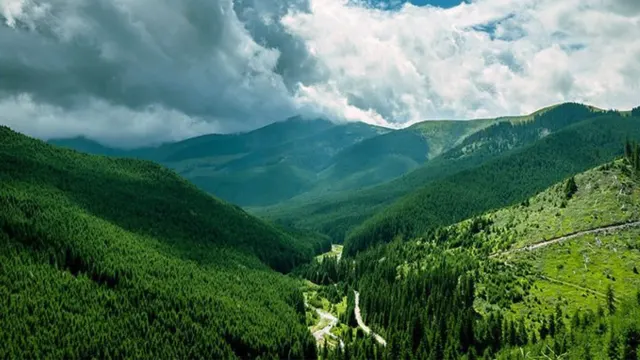
Welcome to the travel guide to the Arieș Valley, an area of great cultural and natural importance. This valley is a place you should visit if you love mountain landscapes and natural beauty. You will discover impressive sights and trails to explore that will reveal the fascinating landscape of the Apuseni Mountains.
Location
The Arieș Valley runs through the heart of the Apuseni Mountains, in Alba and Cluj counties, Romania. It is a 164 km route along the Arieș River, one of the most important tributaries of the Mureș River, as it carves its way through dense forests and impressive cliffs. Here, nature is dominated by a wild beauty, with spectacular waterfalls, narrow gorges, and deep caves.
Nearby are the Trascău Mountains, known for their spectacular hiking trails, and the Vlădeasa Mountains, with alpine meadows and rich flora and fauna, as well as the Bedeleu Massif, which guards a stretch of the valley. The locals are welcoming and host tourists in guesthouses and traditional homes.
The towns and villages along the Arieș Valley include Gârda de Sus, Albac, Vadu Moților, Câmpeni, Bistra, Lupșa, Baia de Arieș, Sălciua, Poșaga, Vidolm, and Buru.
Arieșul Mare and Arieșul Mic
The Arieș, an important river in Romania, originates in the area of Lake Mihoești, at the confluence of two distinct branches, Arieșul Mare (the Great Arieș) and Arieșul Mic (the Little Arieș).
Arieșul Mare begins its course in the Bihor Mountains, near the source of the Crișul Pietros. On its way to Lake Mihoești, Arieșul Mare crosses a mountain area that is especially attractive to tourists, with places such as Scărișoara, Albac, Arieșeni, and Vadu Moților. Along this stretch, the river is flanked by the Muntele Mare massif on its left and by the Bihor Mountains on its right, creating a spectacular mountain landscape.
Arieșul Mic has its source, as its name also suggests, in the Bihor Mountains, near Găina Peak. Unlike its larger counterpart, Arieșul Mic makes its way to Lake Mihoești exclusively through the Bihor Mountains.
From Lake Mihoești, the two branches join to form the Arieș River. The Arieș itself is bordered by Muntele Mare on the left and by the Trascău Mountains on the right. The Arieș Valley covers the area through which the Arieș River flows.
Map
The map of the Arieș Valley will guide you through picturesque communities, mountain trails, and cultural and natural points of interest, giving you a captivating view of this charming and authentic region.
Distances
Since the Arieș Valley stretches for 164 km along the Arieș River, we will use the town of Baia de Arieș, located halfway along the route, as a reference point for the travel distances to the area.
Timișoara – Baia de Arieș: 248 km (about 4 hours);
Cluj-Napoca – Baia de Arieș: 94 km (1 hour and 40 minutes);
Alba Iulia – Baia de Arieș: 106 km (about 2 hours);
Deva – Baia de Arieș: 108 km (about 2.5 hours);
Oradea – Baia de Arieș: 188 km (about 4 hours);
Bucharest – Baia de Arieș: 465 km (about 7 hours);
Arad – Baia de Arieș: 282 km (about 4.5 hours).
Tourist Attractions
Over the years, the Arieș Valley has witnessed many historical events, as well as a unique cultural and traditional evolution. This corner of paradise, with its clear waters and high mountains, has attracted countless travelers over time.
Today, with its many tourist attractions, it is a popular destination for those who want to explore an exceptionally beautiful area in the heart of Transylvania.
itinerant.ro photo collage

Caves
One of the most mysterious and fascinating aspects of the Arieș Valley region is its vast network of caves. These underground sanctuaries, formed over millions of years by the action of water and rock, bear witness to the passage of time and the geological evolution of the area.
Each cave has its own story, from impressive rock formations to the local legends that surround them. Exploring them takes you on a journey into the depths of the earth, revealing the hidden secrets and natural beauty of the underground world.
Huda lui Papară Cave
Huda lui Papară Cave has a total length of about 5,200 meters and is made up of several underground galleries and chambers. Among the best known are the Hall of Wonders (Sala Minunilor), a huge void 102 meters high, the Virgin Hall (Sala Virgină), the Hall of Silence (Sala Tăcerii), and the Hall of the Cross (Sala Crucii).
The walls of the cave are adorned with stalactites, gours (rimstone pools), and calcite flowstone, which create a spectacular underground setting.
Besides its beauty, the cave is also an important archaeological site: remains of stone tools, probably about 50,000 years old, and a bronze celt from the Late Bronze Age have been found here.
Scărișoara Cave
Scărișoara Cave
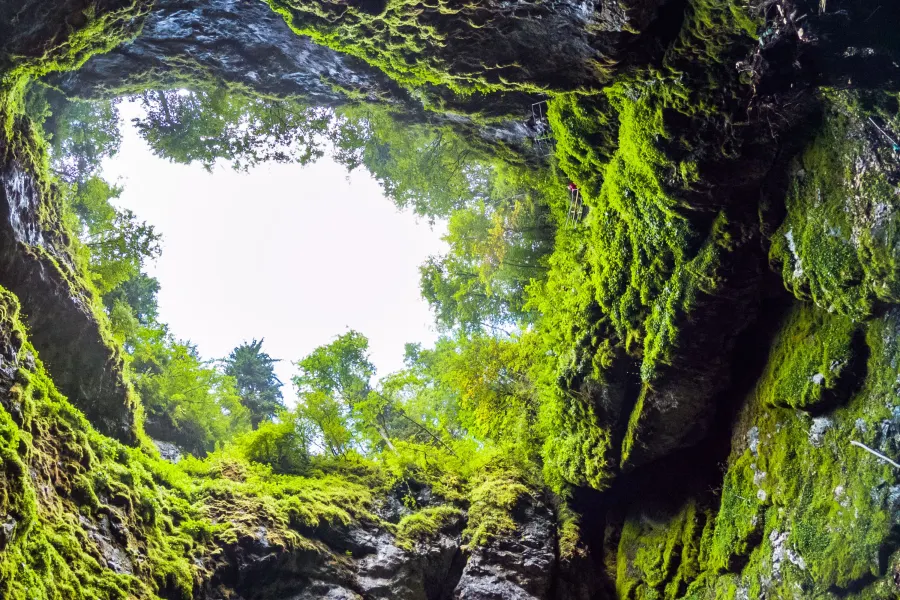
Located in the Apuseni Mountains, Scărișoara Cave is home to one of the largest and oldest underground glaciers in Europe, known as the Scărișoara Glacier. The glacier was first described in the mid-19th century and has a volume of more than 75,000 cubic meters of ice.
The entrance to the cave is fascinating, with a wide passage leading to an impressive opening. Once inside, you are greeted by a huge chamber where you feel as if you were in another world. The dim light and the constant temperature, which ranges between -1 and +1 degrees Celsius, create a mysterious atmosphere.
The Scărișoara Glacier is protected by law, and visits are only allowed along the designated route, accompanied by guides, in order to preserve its integrity and scientific value.
Scărișoara Glacier
Poarta lui Ionele Cave
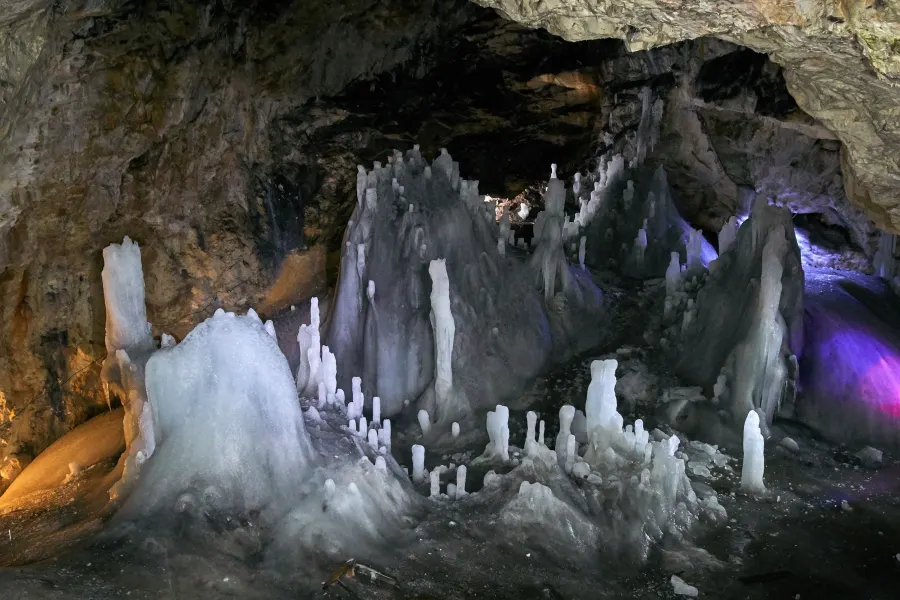
Located in Alba County, Poarta lui Ionele Cave is known for its impressive formations and has been developed for visitors.
Poarta lui Ionele Cave
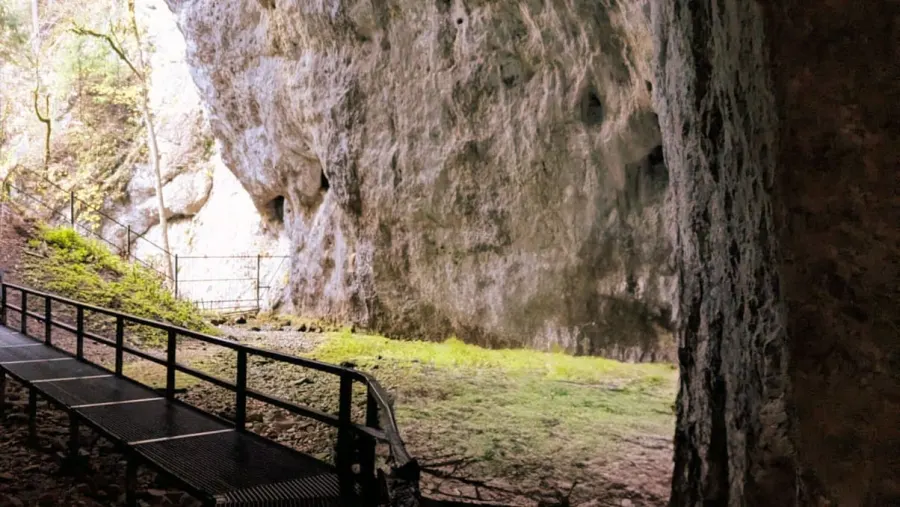
For caving enthusiasts, or for those who want to enjoy the beauty of nature, the cave is definitely a place to visit in Romania.
Poarta Zmeilor Cave
It is a spectacular natural attraction known for its impressive geological formations. Its name, “Poarta Zmeilor” (the Dragons' Gate), comes from a local legend suggesting that the cave was the home of dragons, or zmei, who guarded treasures hidden inside it.
It stretches for about 125 m and is surrounded by the cliffs of the Bedeleu massif. The entrance to the cave is imposing and resembles a true natural “gate.”
Poarta Zmeilor Cave offers a picturesque sight, with stalactites and stalagmites that form through a long process of limestone deposition, and is a popular destination for tourists and caving enthusiasts. It is a natural treasure worth visiting and protecting for future generations.
If you would like to spend a night or a weekend in Sălciua, we wholeheartedly recommend Pensiunea Poarta Zmeilor
Porțile Bihorului Cave
Porțile Bihorului Cave is an impressive cave in the Bihor Mountains, near Băița and Nucet, in Bihor County. In spring, a river flows through it, while for the rest of the year it is usually dry.
The cave is reached on foot, along a short trail through a dense deciduous forest. At one point, a tall limestone wall appears, blocking the valley. This wall is pierced by a massive oval portal, 12 meters wide and 8 meters high. The cave is a grandiose karst formation.
Vârtop Ice Cave
Vârtop Ice Cave, also known by various other names, such as the Wonderful Cave (Peștera Minunată) or the Casa de Piatră Ice Cave, is famous because it is the place where the oldest evidence of Neanderthals in Romania was discovered. The ice formations in the cave are impressive, especially in winter.
Waterfalls, Lakes, Springs, and Dams
From roaring waterfalls plunging from great heights to calm lakes mirroring the sky, flowing springs that bring the land to life, and impressive man-made dams, these water features bear witness to the diversity and beauty of the region's landscape.
Whether you are looking for a place to relax, to reflect, or to find adventure, these water oases are sure to fascinate you.
Șipote Waterfall
Șipote Waterfall
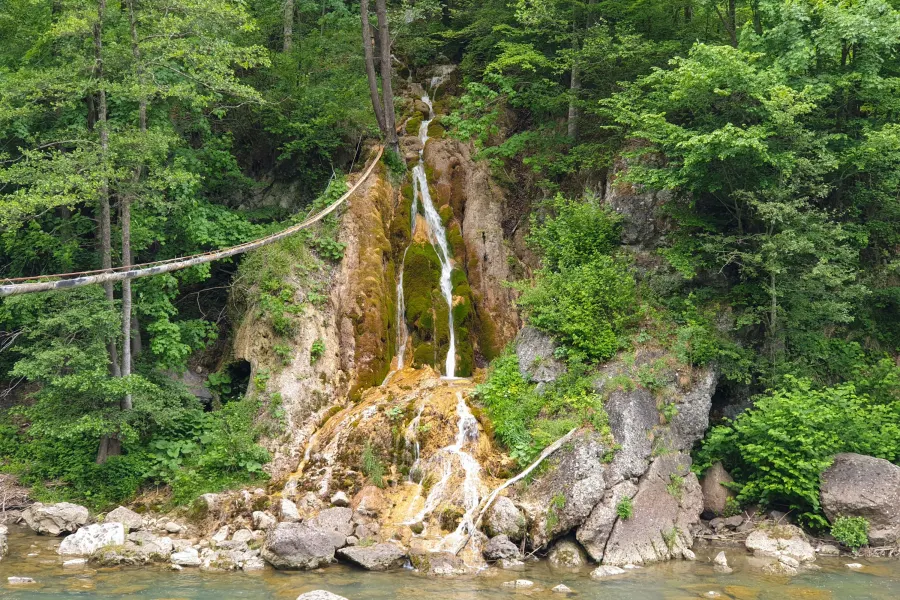
Located in the Apuseni Mountains, this wonderful waterfall attracts many tourists every year thanks to its spectacular scenery and easy access.
Șipote Waterfall is made up of a succession of cascades stretching for about a kilometer along the Șipot stream, which flows into the Arieș. The crystal-clear water tumbles over moss-covered rocks, creating an impressive spectacle. [Learn more]
Pișoaia Waterfall
Set in a picturesque area, in the middle of nature, Pișoaia Waterfall, in Vidra commune, makes for an impressive sight.
Pișoaia Waterfall
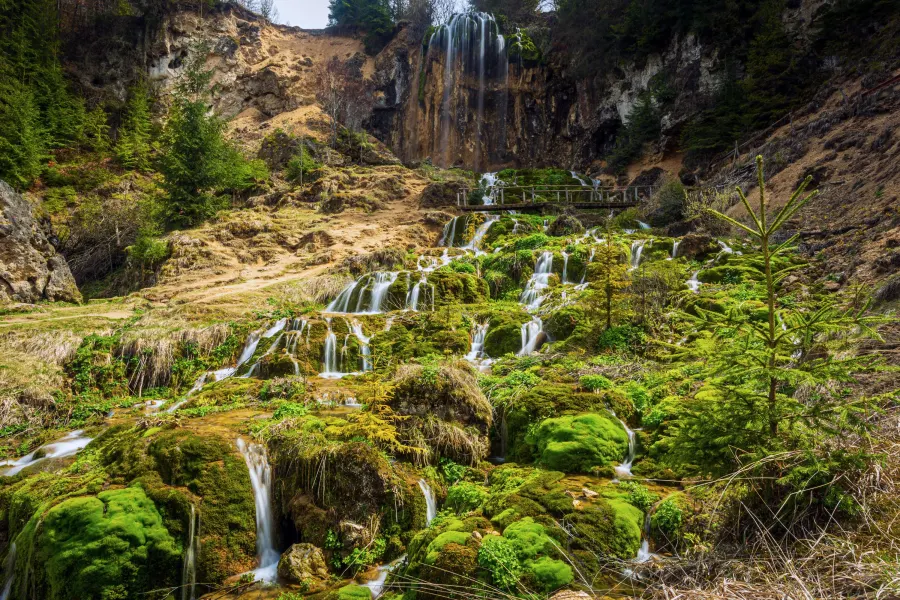
The water of the Slatina stream falls from a height of about 18 meters, just before flowing into the Arieșul Mic. As the water falls, it forms a white, foamy veil that sparkles in the bright sun, creating a fairy-tale picture. About 500 meters from the waterfall lies Snail Hill (Dealul cu Melci), a fossil site.
Surrounded by rocky ledges, deciduous and coniferous forests, and lush vegetation, the waterfall offers its visitors a dreamlike landscape, perfect for relaxation and contemplation. In addition, the surrounding area is ideal for hiking and outdoor walks, with a multitude of trails and paths.
Vârciorog Waterfall
Vârciorog Waterfall is located near Piatra Grăitoare Peak and is an impressive waterfall that forms on the upper course of the Vârciorog River. It can be visited by following the Câmpeni route on DN75.
Vârciorog Waterfall
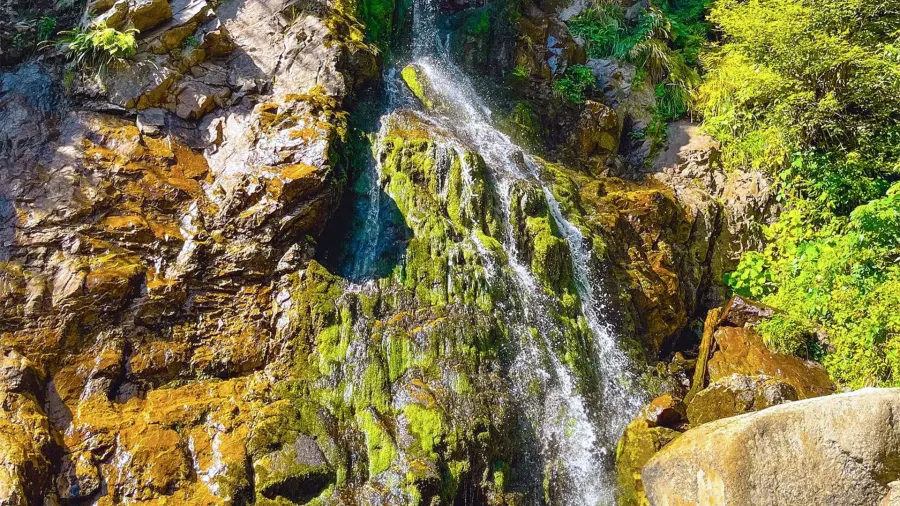
About 2 kilometers from Arieșeni, you continue on a forest road that follows the Vârciorog Valley. The trail is marked and can be covered on foot or by horse-drawn cart or sleigh, giving visitors several options for exploring the area. [Learn more]
Pătrăhăițești Waterfall (Buciniș)
Pătrăhăițești Waterfall (named after the village), also known as Buciniș Waterfall after the valley it lies in, is an impressive two-tier waterfall with a total height of 14 meters. Access to the waterfall is relatively easy: part of the route can be driven, on a forest road of about 5 km, and the rest is covered on foot, along a marked trail.
It is a popular destination for tourists, especially in summer, from July to September. However, it is also accessible in winter, especially when the snow cover is thin. The waterfall also offers a spectacular sight in spring and fall, when the water flow is higher due to melting snow or rain.
Mihoești Dam
The Mihoești Dam is located in the village of Mihoești, upstream of the town of Câmpeni. It has a maximum height of 25 meters, and its reservoir has a total volume of about 9.9 million cubic meters.
The construction of this dam led to the formation of a reservoir that helps regulate the flow of the Arieș River and reduce the risk of flooding. Work began in the early 1980s, and the dam was officially inaugurated in 2018, becoming an important part of the area's water management infrastructure.
Izbucul Tăuzului
Izbucul Tăuzului is a nationally protected area, part of Apuseni Natural Park, located near Gârda, Alba County. The izbuc (karst spring) is a type of intermittent spring that works on the siphon principle: water collects in a cavity in the karst and suddenly bursts to the surface when it reaches the level of the siphon's opening.
Its depth is about 85 m, and the area has been of great interest to specialists. The area is well worth a visit, a true marvel of natural phenomena.
Gorges and Mountain Peaks
The majestic heights and spectacular gorges of the Arieș Valley region are true masterpieces of nature. The gorges, carved over millions of years by the rushing waters of rivers, reveal layers of rock and form impressive corridors between the cliffs.
Turda Gorges
Turda Gorges landscape
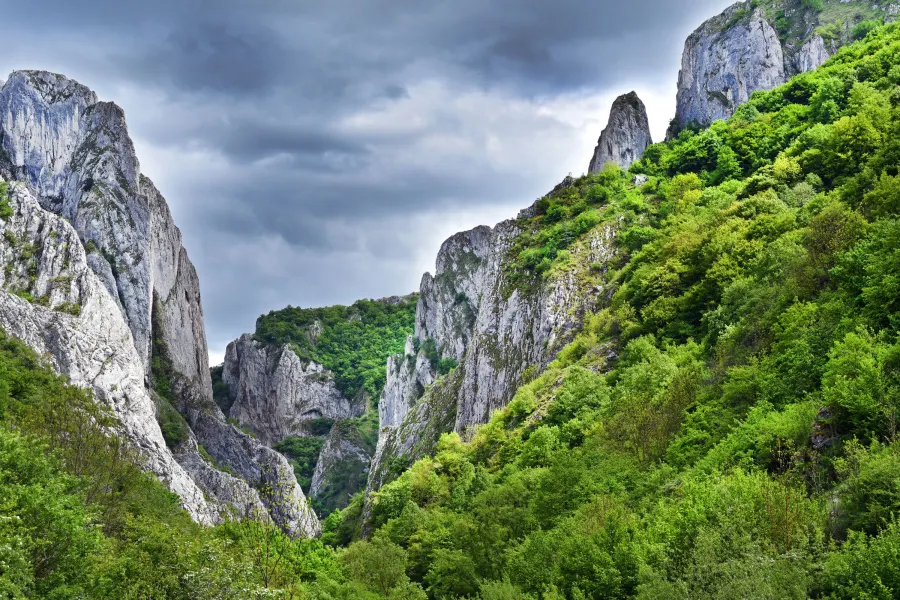
Turda Gorges are a nature reserve in Cluj County, Romania, known for their spectacular scenery and their many caves. The area is a true paradise for lovers of hiking and climbing, offering numerous trails and paths.
Besides the beauty of their landscapes and their biodiversity, the Turda Gorges are also an important historical site. In Roman times, a limestone quarry here supplied the Roman town and fort of Potaissa, and archaeological finds show that people have lived in the area since prehistoric times.
Ordâncușa Gorges
Ordâncușa Gorges
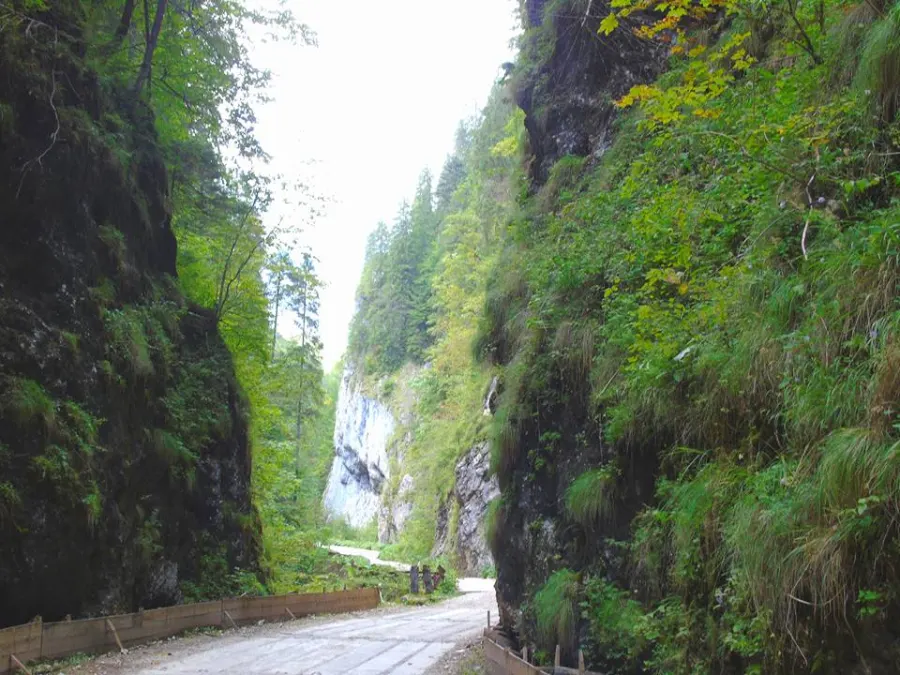
Ordâncușa Gorges can be visited by car, as a paved road runs through them. They stretch along the Ordâncușa Valley for about 2.5 kilometers. Learn more.
Poșaga Gorges
Poșaga Gorges (Cheile Poșăgii or Cheile Poșegii) are a protected area of national value in the northern part of Alba County, between the villages of Poșaga de Jos and Poșaga de Sus, in Poșaga commune. They lie on the eastern side of the Muntele Mare massif, along the Poșaga stream, a tributary of the Arieș, about 6 km from where it flows into this river.
Poșaga Gorges are reached via DN 75 Turda–Câmpeni. The nature reserve is a complex with remarkable geological features, presenting a picturesque karst landscape with elements typical of limestone areas, such as steep cliffs, ridges, towers, and chasms.
Poșaga Gorges are also home to a variety of rare plant species. Inside the gorges, the stream that carved them runs for about 400 m, and near the entrance it receives a temporary tributary about 700 m long. At the exit, you can follow the Belioara Valley to the “Scărița-Belioara” reserve.
Curcubăta Mare Peak
Also called Bihor Peak, Curcubăta Mare Peak is the highest peak in the Apuseni Mountains, with a maximum altitude of 1,849 m (695 m lower than Moldoveanu Peak). The trail to the summit is accessible and exceptionally beautiful, and from the top the panorama over the Apuseni Mountains is simply perfect.
Monasteries, Memorial Houses, and Museums
Almost all the sights along the Arieș Valley are steeped in history and tradition. The caves and valleys of Țara Moților witnessed Horea, Cloșca, and Crișan, leaders of the Revolt of 1784, and the forests still tell the story of the “Little King of the Mountains” (Craișorul Munților).
The monasteries and churches in the area are not only places of contemplation and spirituality, but also testaments to traditional architecture and religious art, and they give the place a special charm.
Avram Iancu Memorial Museum
The Avram Iancu Memorial Museum is dedicated to the memory of the national hero and is located in the village of Incești, in Avram Iancu commune (formerly Vidra). It was opened in 1924 through the efforts of the ASTRA Association to commemorate the “King of the Mountains” (Craiul Munților), who played an important role in the struggle for the rights of Romanians in Transylvania in the 19th century.
The memorial museum houses an impressive collection of objects and documents illustrating the life and work of Avram Iancu. These include photographs, family documents, personal belongings, a cannon, flags, and swords.
Horea Memorial House
Horea, one of the three leaders of the famous Revolt of 1784, also known as the “Revolt of Horea, Cloșca, and Crișan,” was born in 1731 in the village of Arada (today Horea village), in Alba County.
In fact, his real name was Vasile Ursu Nicula. He was given the nickname “Horea” because he could sing beautifully, as the regional word “a hori” means “to sing.”
Horea's memorial house is located in the village of Fericet, in Horea commune, and nearby stands a bust of Horea, made in 1967 by the sculptor Romulus Ladea.
Holy Prophet Elijah Monastery – Albac
Holy Prophet Elijah Monastery is located at the entrance to Albac coming from Câmpeni, on DN75, in a glade surrounded by coniferous forests. The monastery church houses an icon of Saint Paisios the Athonite, brought from Vatopedi Monastery on Mount Athos. The place is exceptionally beautiful and accessible in all seasons.
Lăzești Wooden Church
Located in the village of Lăzești, the Lăzești Wooden Church is a living testament to the traditions and local craftsmanship of Vadu Moților commune. Built in the 18th century, enlarged in 1878, and dedicated to the “Holy Archangels Michael and Gabriel,” this sacred building, with its simple yet impressive architectural lines, reflects the spirit of the community and the deep roots of faith in the area.
Masterfully built of solid wood, the church preserves the memory of past generations and serves as a symbol of resilience and tradition in Vadu Moților.
Other Attractions in the Arieș Valley
Beyond its mountain landscapes with haystacks and straw and shingle roofs, you can also visit a number of other attractions that make this area a complete tourist destination.
Whether you love winter sports, are fascinated by the salty depths of the earth, want to lose yourself in the beauty of a natural park, or want to travel back in time aboard a traditional narrow-gauge train (mocănița), the Arieș Valley has something to offer every visitor.
Vârtop Ski Slope in Arieșeni
Arieșeni chairlift
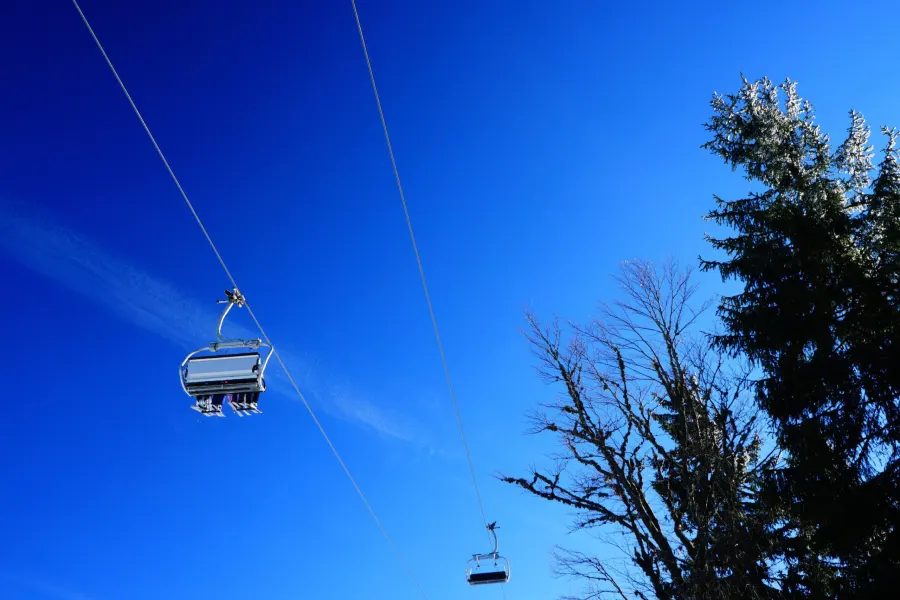
The Vârtop Arieșeni Ski Slope is equipped with a chairlift, a ski lift, night lighting, and snow cannons that ensure a consistent snow cover. With a maximum altitude of 1,400 m and a total of about 3 km of slopes of medium difficulty, it offers good skiing conditions throughout the season.
There are also many facilities for skiers here, such as equipment rental and ski schools with professional instructors. Besides the main run, the slope also has a snow park, where fans of winter sports can test their skills and have fun.
Learn more about Arieșeni Resort.
Turda Salt Mine
Turda Salt Mine
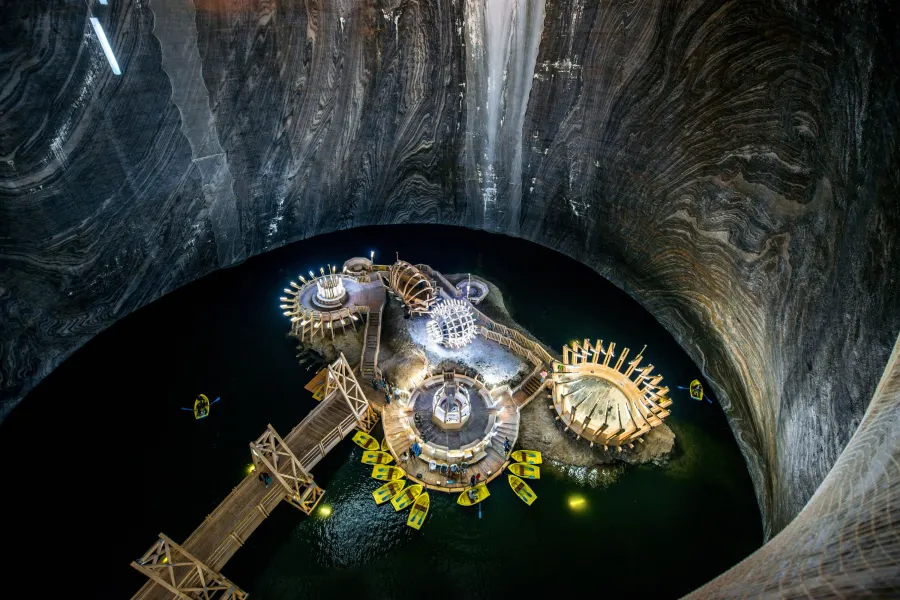
Turda Salt Mine is one of the oldest salt mines in Romania: salt was mined here as early as Roman times, and the first document mentioning it dates from 1075.
What makes this salt mine special is that, following a renovation project carried out over two years (2008–2010), it was transformed into a modern tourist attraction, with facilities and recreational activities for visitors.
Groapa Ruginoasă – Valea Seacă
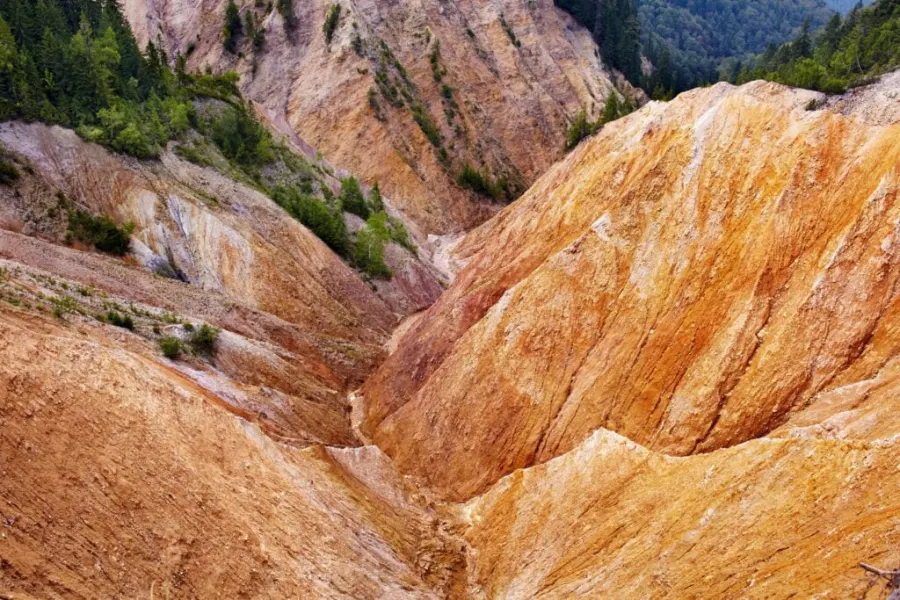
Groapa Ruginoasă (the Rusty Pit) is a protected area, a huge ravine about 100 meters deep and more than 600 meters across, located on the border between Bihor and Alba counties, close to DN75.
It is a deep hollow framed by hills, with a characteristic rusty look that comes from the iron-rich mineral composition of the soil. Here you will also find Valea Seacă, an area with spectacular scenery made up of tall, steep cliffs and narrow, deep gorges.
The place is a true paradise for nature and adventure lovers, offering various opportunities for outdoor recreation, such as hiking, climbing, or mountain biking. Numerous rare plant and animal species can be found here, making it a valuable ecosystem.
Groapa Ruginoasă
Trascău Fortress – Colțești
Colțești Fortress
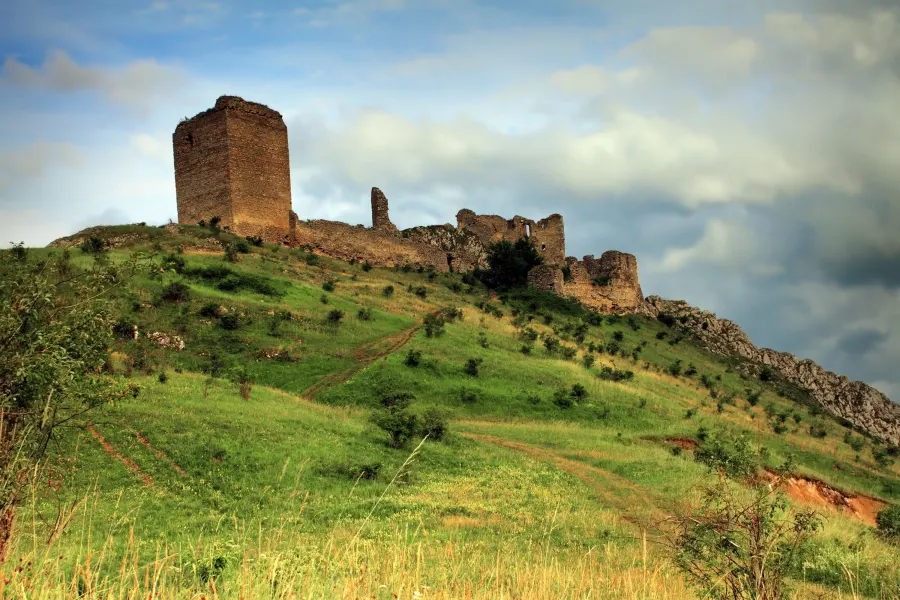
Trascău Fortress or Colțești Fortress is located in the Trascău Mountains, about 5 kilometers from Rimetea, in Alba County. This medieval fortification, built at the end of the 13th century, sits on top of a limestone crag, amid an impressive landscape.
Apuseni Natural Park
Apuseni Natural Park
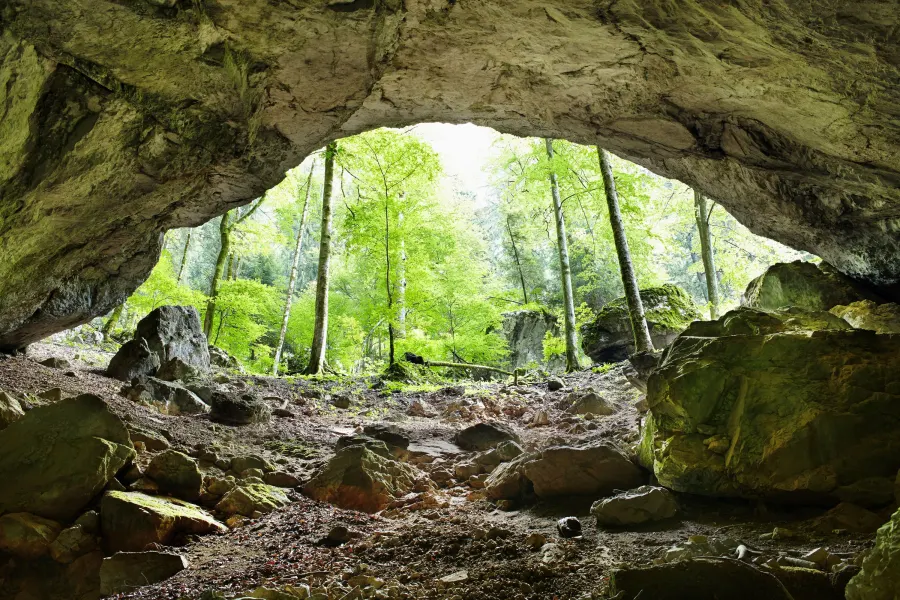
Apuseni Natural Park covers an area of about 75,784 hectares and extends across Bihor, Alba, and Cluj counties. It is known for its spectacular landscapes, which include gorges, waterfalls, caves, and high mountains. It is also rich in biodiversity, being an important habitat for many plant and animal species.
Tourists visiting Apuseni Natural Park can explore numerous hiking trails and admire the picturesque scenery. The park also offers opportunities for outdoor sports, such as mountaineering, mountain biking, and climbing.
Mocănița
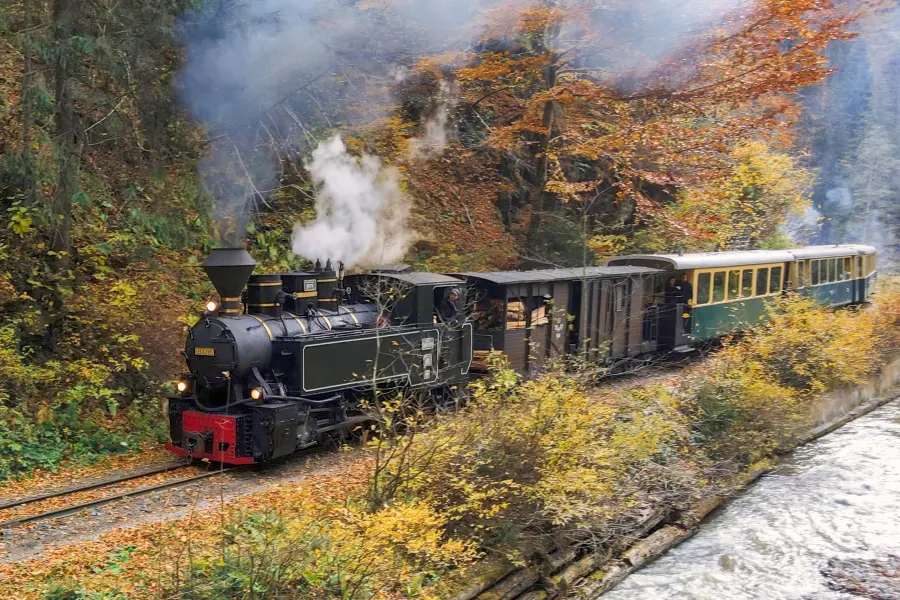
The Mocănița narrow-gauge railway in the Apuseni was built between 1891 and 1912 and officially opened on June 20, 1912. It carried both passengers and freight, especially timber from the mountain areas, and became an important link for isolated mountain communities. It ran between Turda and Abrud until 1997, when traffic was halted because it was no longer profitable.
Today, a 9 km tourist section of the old route has been preserved between Lunca Arieșului and Sălciua, reopened in 2019.
The vintage little train consists of a few cars, simply fitted out with wooden benches, which let you enjoy the mountain air along the route.
Mocănița
Culture and Traditions in the Arieș Valley
The Arieș Valley, a picturesque region in the heart of the Apuseni Mountains, is known not only for its spectacular landscapes and numerous tourist attractions, but also for its cultural and traditional richness.
Traditional Music and Dance
Traditional music and dance play an important role in the life of the communities in the Arieș Valley. The locals proudly preserve their cultural heritage and frequently organize events celebrating authentic folk music and traditional dances.
Traditional instruments such as the shepherd's flute, violin, accordion, and tambourine are used to create vibrant rhythms, and the dances have a lively pace.
Traditional Costumes
Traditional costumes are an essential part of the cultural identity of the Arieș Valley. Each locality has its own style of traditional costume, and these costumes are proudly worn on special occasions, such as local festivals, weddings, and other important events.
The vivid colors and elaborate details of these costumes are proof of the skill and creativity of local craftspeople.
Traditions and Festivals
The Arieș Valley is known for its many traditions and festivals that mark important events in the life of its communities.
A notable example is the “Maidens' Fair on Mount Găina” (Târgul de Fete de pe Muntele Găina), one of the best-known folk celebrations in the Apuseni Mountains, held every year on the Sunday closest to St. Elijah's Day (July 20), above Avram Iancu commune.
In the past, at this fair, first documented in 1816, the Moți from the scattered villages of the mountains traded their goods, and young people met and got engaged. Today, the celebration brings together thousands of Moți and tourists, with folk performances and a craftsmen's fair.
Traditional Cuisine
The traditional cuisine of the Arieș Valley is rich and delicious. Local products such as brânză de burduf (a traditional sheep's cheese), mămăligă (polenta), sarmale (cabbage rolls), and sauerkraut are staples of many traditional recipes.
Fresh fish from the rivers and streams of the area, as well as mutton and pork dishes, are also highly appreciated. A traditional menu would not be complete without plăcintă (pie) or crêpes with cheese and sour cream.
Local Crafts
Traditional crafts have a long history in the Arieș Valley. Local artisans make handicrafts from wood, clay, wool, and leather, which are appreciated for their quality and authenticity. You can admire or buy such products at local fairs or in craft shops.
The culture and traditions of the Arieș Valley add a deep layer of authenticity and identity to this mountain region. Those who visit the area have the opportunity to experience part of the cultural and traditional richness of the Apuseni Mountains, which makes their trip truly memorable and authentic.
Mining
The Arieș Valley area was, and still is, known for its mineral resources.
In the past, gold and silver mines played a crucial role in the local economy. Today, most of them are closed: the gold mine at Baia de Arieș closed in 2004, and the one at Roșia Montană in 2006.
These mining operations contributed to the economic development of the region, but they also raised questions about their impact on the environment and local communities (see the gold-rich area of Roșia Montană).
Agriculture and Fruit Growing
Despite industrial development, agriculture and fruit growing have remained important to the local economy.
The Arieș Valley is known for its crops of potatoes, grain, and vegetables, and for its plum and apple orchards.
Local farmers help preserve traditions and produce natural, high-quality food.
Accommodation
Vila Sub Piatră
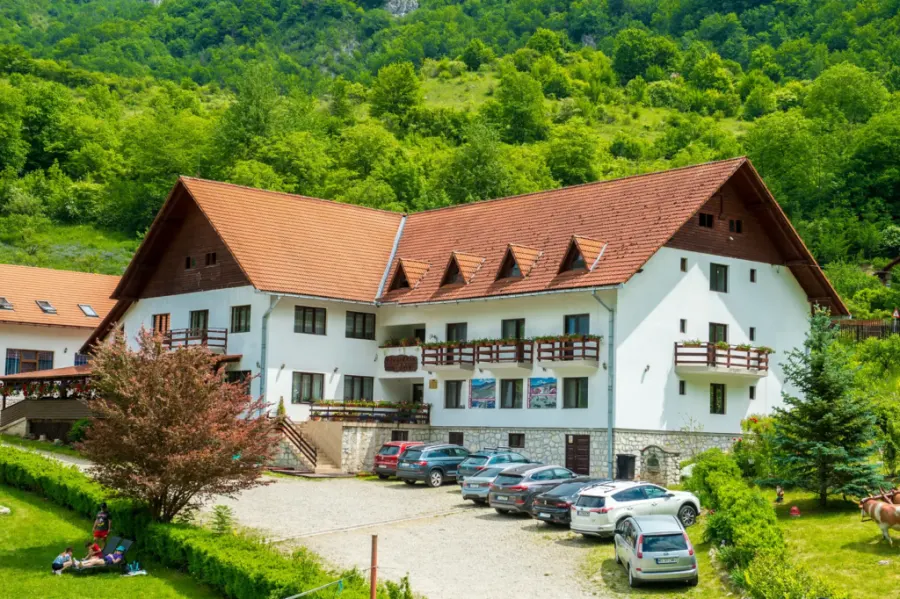
In Sălciua, in the village of Sub Piatra, a few hundred meters from the entrance to Huda lui Papară Cave, you will find Vila Sub Piatră. It has 24 rooms with private bathrooms, an indoor and an outdoor pool, saunas, and a wooden hot tub (ciubăr), and the restaurant serves home-style cooking: balmoș and bulz (traditional cornmeal and cheese dishes), and trout.