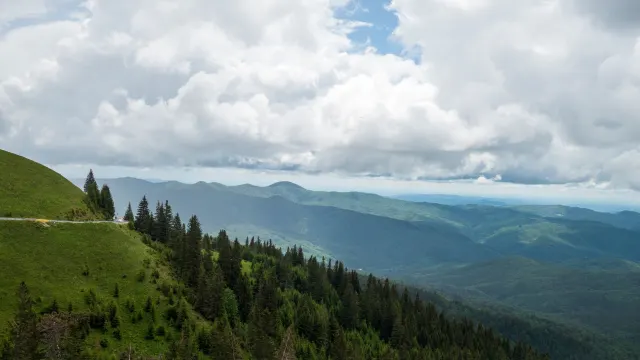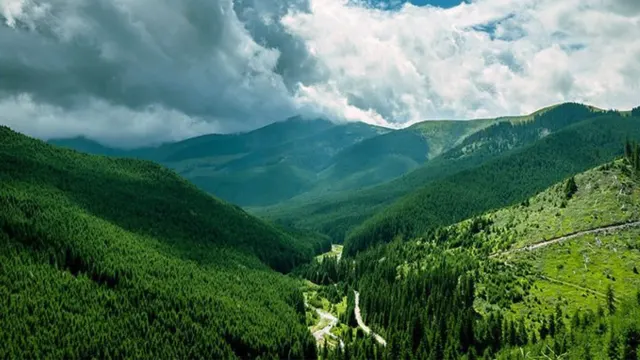
Imagine a road winding between mountain peaks shrouded in legend, where nature reveals itself and the fresh mountain air clears your mind. This is the spectacular reality of the Transrarău, also known as “the Treasure Road” (Drumul Comorilor) or, on road maps, DJ175B.
This mountain road, shorter and less famous than its bigger sisters, the Transfăgărășan and the Transalpina, is an authentic Bukovina experience that promises unforgettable scenery.
Exploring the landscapes along the Transrarău
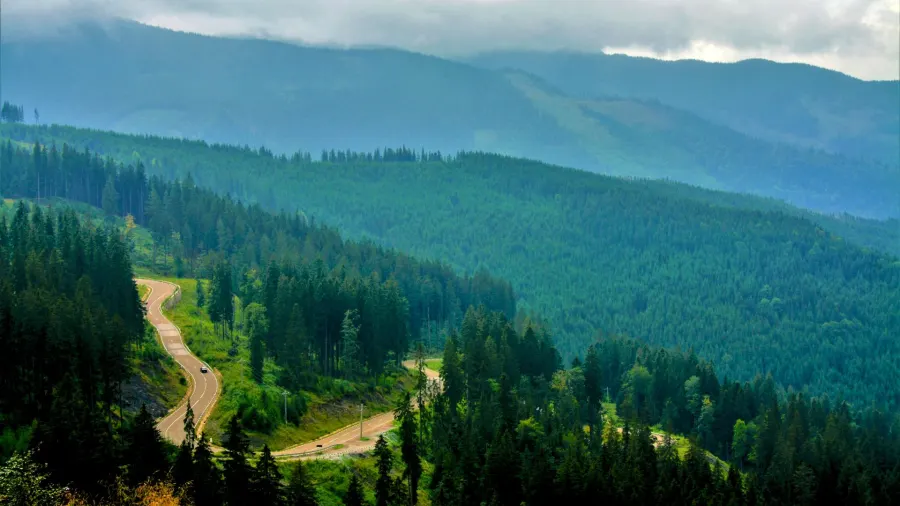
The Transrarău crosses the Rarău Massif in the Eastern Carpathians, in the historical region of Bukovina.
Location and Access
The Transrarău, or DJ175B, is a mountain route of about 28 kilometers in Suceava County.
The road starts in Pojorâta (Moldova Valley) and runs to the village of Chiril, part of Crucea commune (Bistrița Valley).
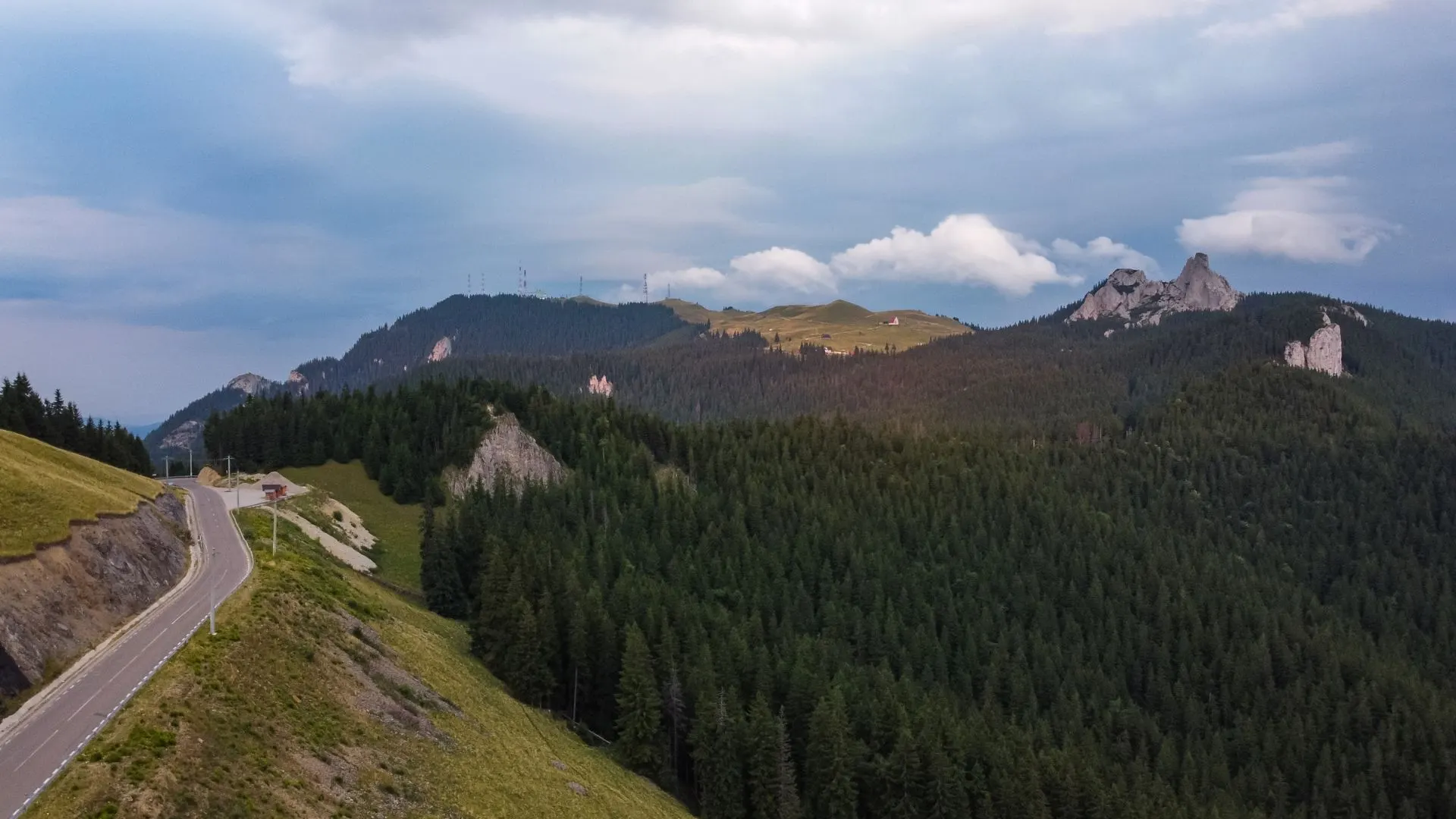
The highest point of the Transrarău is near Pietrele Doamnei (the Lady's Rocks), at about 1,400 meters.
Rarău Mountains
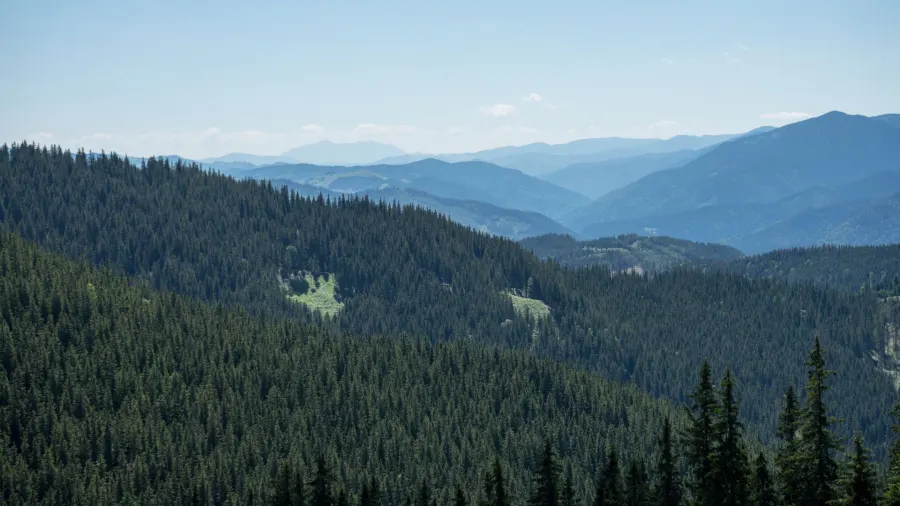
Access is easy from the DN17 (E58), the main road artery of Bukovina, which offers quick connections to towns such as Vatra Dornei or Câmpulung Moldovenesc.
Alternatively, the central point of the Transrarău can also be reached via the road that starts directly in Câmpulung Moldovenesc and passes by the Rarău ski slope.
Road Features
The Transrarău is a mountain road, paved since 2014, with many switchbacks and tight curves.
Transrarău Curves
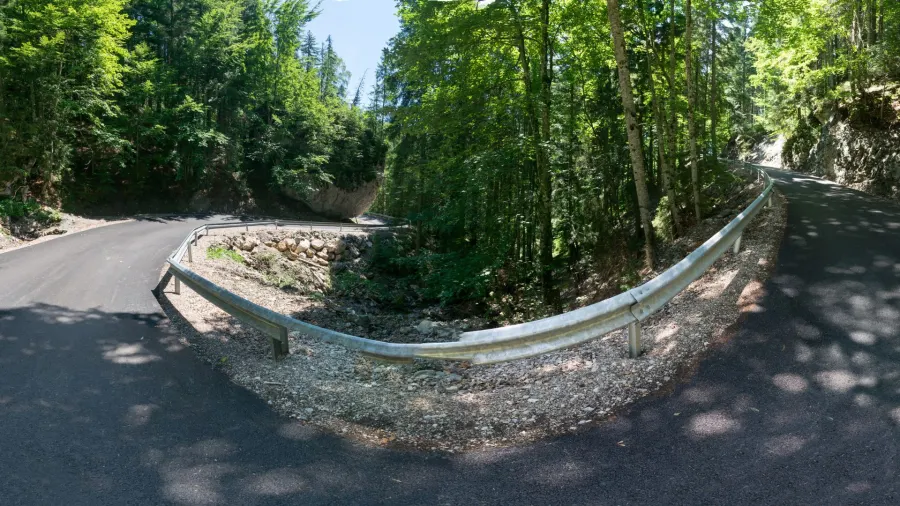
Driving conditions are good during the warm season, thanks to the modernized infrastructure. Extra caution behind the wheel is needed, especially on bends and narrow stretches of road.
Like other high-altitude mountain routes, the Transrarău is subject (partially in recent years) to seasonal closure in winter, depending on weather conditions and snow depth.
Checking up-to-date information on road conditions is essential before planning a trip to the region.
Points of Interest and Attractions on the Transrarău
Along the Transrarău and in its immediate vicinity, there are a number of points of interest:
Pietrele Doamnei
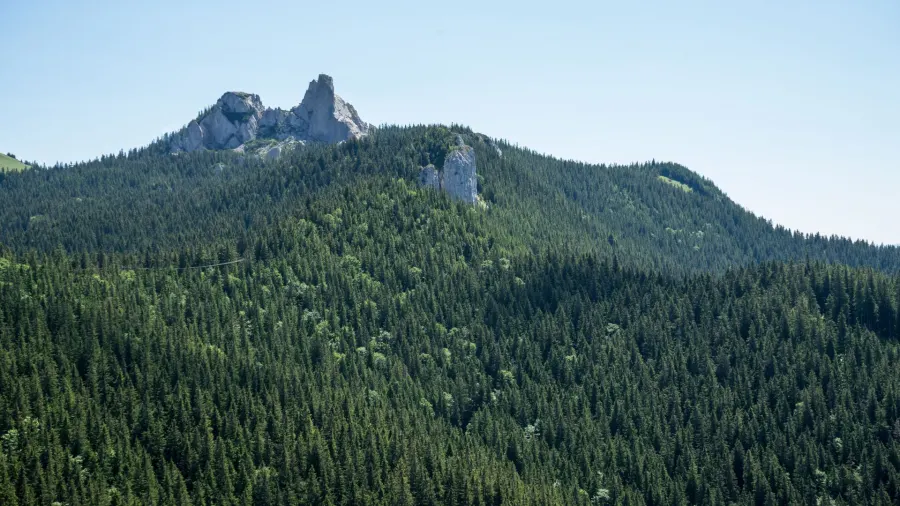
This geological formation is a symbol of the Rarău Massif. Its vertical cliffs offer impressive viewpoints. Access is via marked paths, a relatively easy walk from the main road. Pietrele Doamnei are reminiscent of the Detunata Peaks along the Transapuseana.
Pietrele Doamnei
Rarău Monastery
Located at nearly 1,400 m, the monastery is an Orthodox place of worship with a long history, founded in 1538 by the Moldavian ruler Petru Rareș. It offers a place to stop for quiet reflection and views of the surroundings.
Hotel Alpin Rarău
The hotel is located near Pietrele Doamnei and serves as a place of refuge, lodging, and dining for hikers and tourists. There is ample parking.
Piatra Zimbrului (Bison Rock)
A solitary limestone rock and a distinctive landmark of the local landscape, at 1,580 m.
Peștera Liliecilor (Bats' Cave)
It shelters bat colonies and is a site of speleological and ecological interest. It is not developed for tourists: exploring it requires caving skills and equipment, but the trail leading to it is highly appreciated. See also Polovragi Cave, home to horseshoe bats.
Rarău Resort
A recreation area that includes the Rarău ski slope and offers options for winter sports and leisure activities. See also the article on 8 Ski Slopes in Bukovina
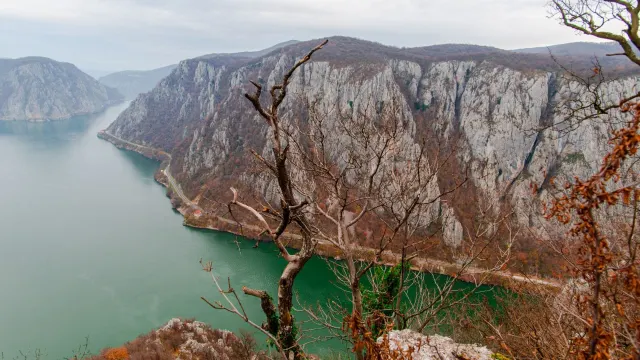
Zugreni Gorges
A gorge carved by the Bistrița River, with rocky walls and fairytale scenery.
Gura Humorului
The resort of Gura Humorului is known for the Museum of Bukovina Folk Customs and as a starting point for visits to the painted monasteries. It also has the longest zipline in Romania, at 2.2 km.
The Monasteries of Bukovina
A group of Orthodox places of worship on the UNESCO World Heritage List (Voroneț, Humor, Sucevița, Moldovița), renowned for their exterior frescoes and their history.
Slătioara Old-Growth Forest Nature Reserve
A protected area that preserves a virgin forest with monumental trees, offering a glimpse into a well-preserved natural ecosystem.
The Rarău area is the starting point for various marked mountain trails leading to other peaks and natural sights in the massif, such as Rarău Peak (1,651 m). Along its entire length, the road offers panoramic views of the valleys and mountain ridges, with conifer forests and alpine meadows.
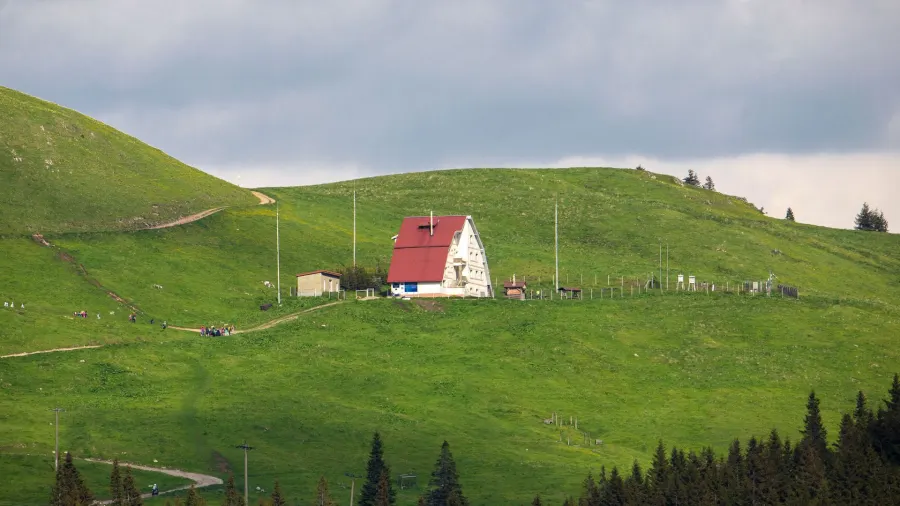
Weather Station
Accommodation in the Transrarău Area
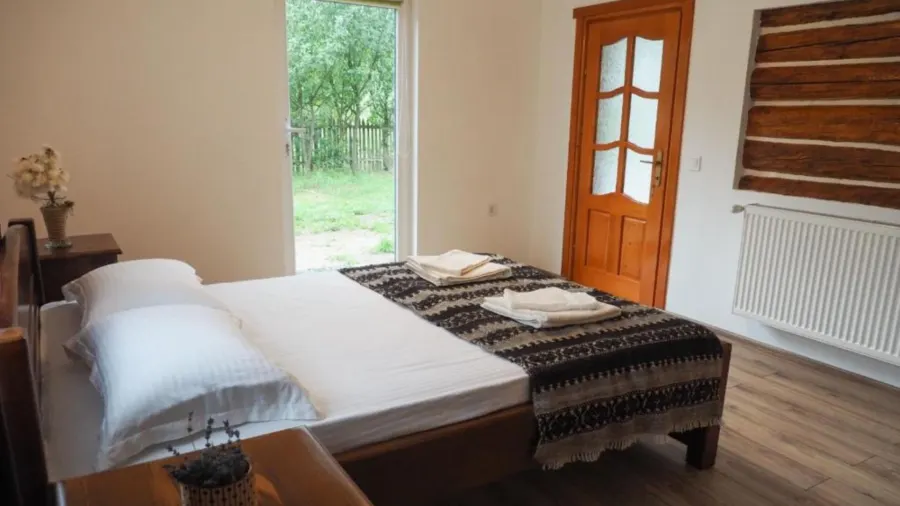
To fully explore the Transrarău and its surroundings, choosing the right accommodation matters. The towns and villages at the foot of the road, such as Pojorâta or Câmpulung Moldovenesc, offer a wide range of options, from authentic rural guesthouses to more modern establishments.
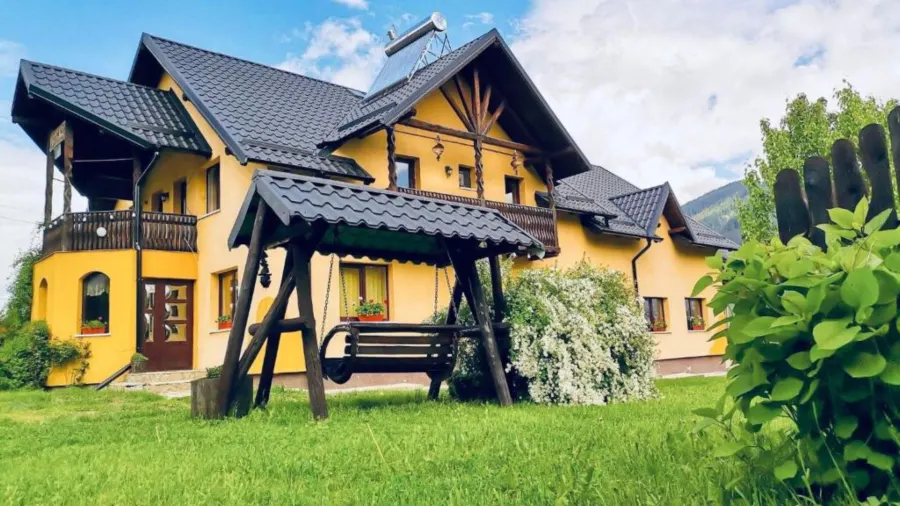
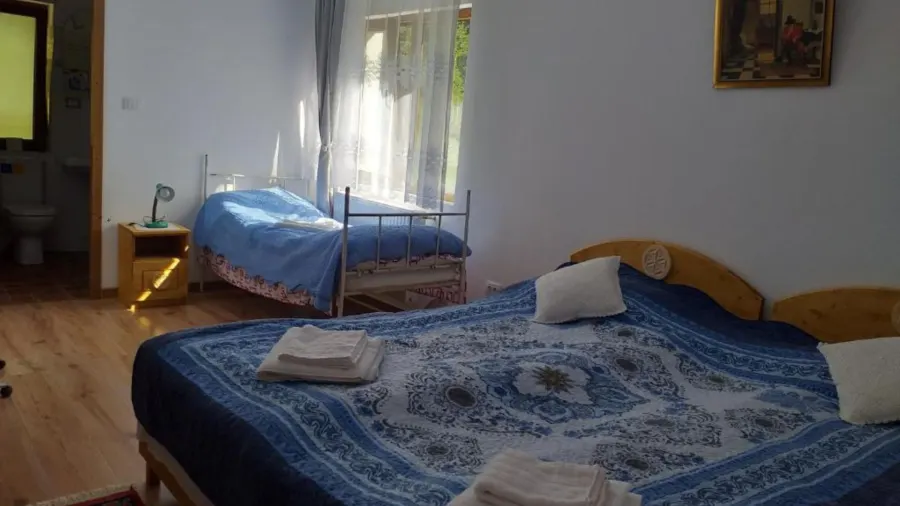
In Pojorâta, tourists can find many guesthouses that make an excellent base for starting an adventure on the Transrarău, with easy access to the road and to the other sights in the area. See Pensiunea Adam și Eva, Pensiunea Gură de Rai, Casa Pojorâta.
Pensiunea Adam și Eva
Pensiunea Gură de Rai
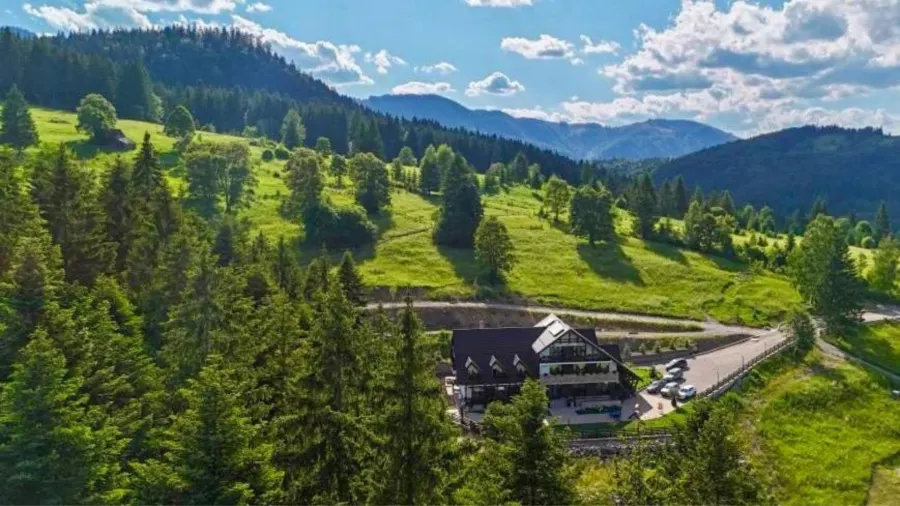
In Câmpulung Moldovenesc, notable places to stay include Rarău Retreat and Wild-Traditional Bucovina. Find more details on Booking.com.
Rarău Retreat
Wild Traditional Bucovina
Conclusion
The Transrarău stands out as a mountain route that offers a distinctive experience in Romania's tourism landscape. Although not as long as other high-altitude roads, the DJ175B makes up for it with its nature and its direct access to the iconic sights of the Rarău Massif.
From the imposing Pietrele Doamnei and the spirituality of Rarău Monastery to the hiking opportunities and panoramic views, the road invites active exploration.
Its proximity to other Bukovina attractions makes the Transrarău a complete destination.
It is a road worth discovering for its authenticity. A trip on the Transrarău is not just a simple crossing, but a discovery of mountainous Bukovina and a memorable experience for any visitor.
If you enjoy mountain routes by car, we also invite you to drive the Transbucegi and the Transapuseana