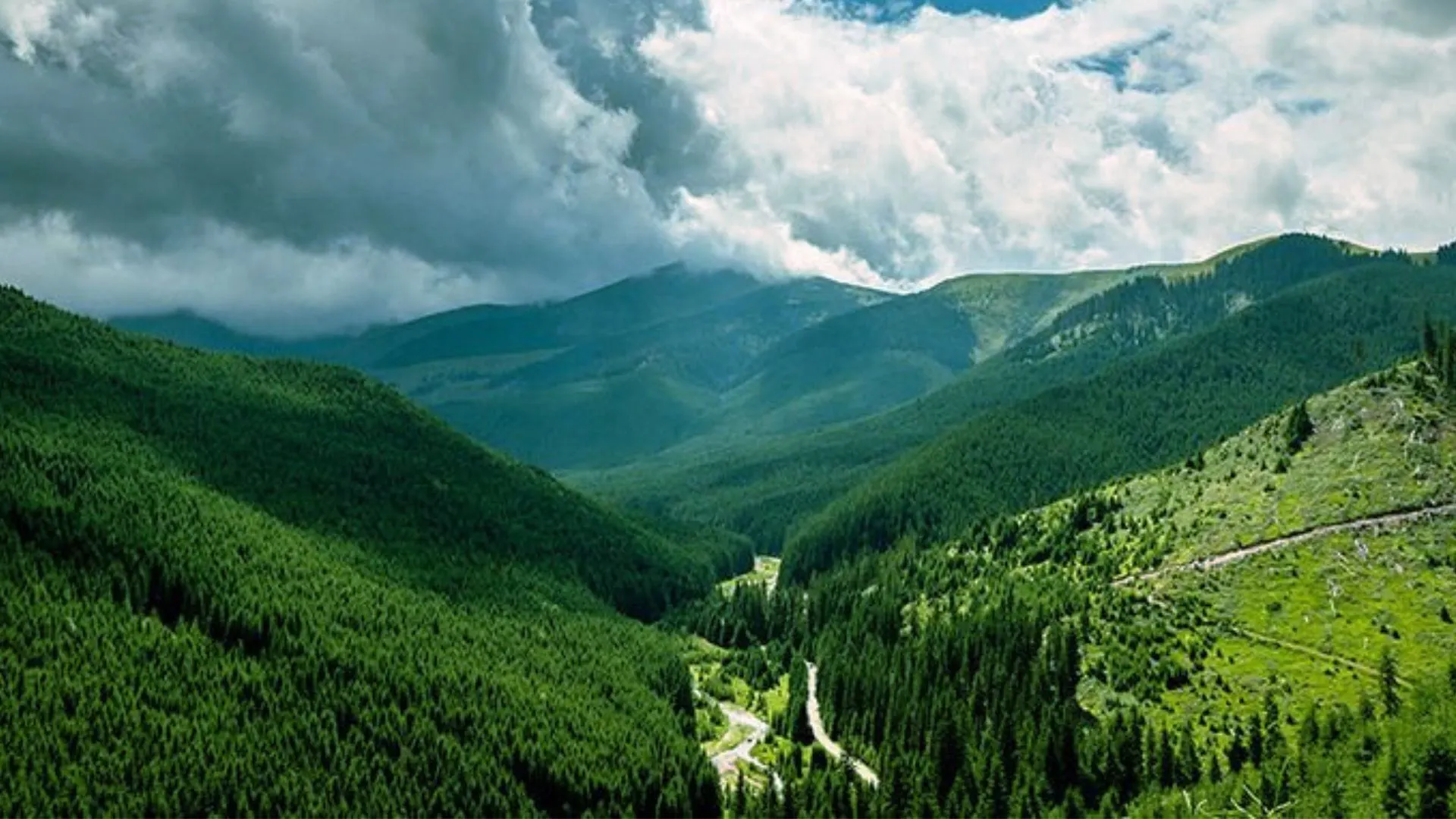
Prislop Pass, located at an altitude of 1,416 meters, is the highest pass in the Eastern Carpathians.
The roughly 50-kilometer road between Borșa and Cârlibaba, which crosses the pass, links Maramureș and Suceava counties and, with them, two historical regions of Romania: Maramureș and Bukovina.
Prislop Pass at sunrise
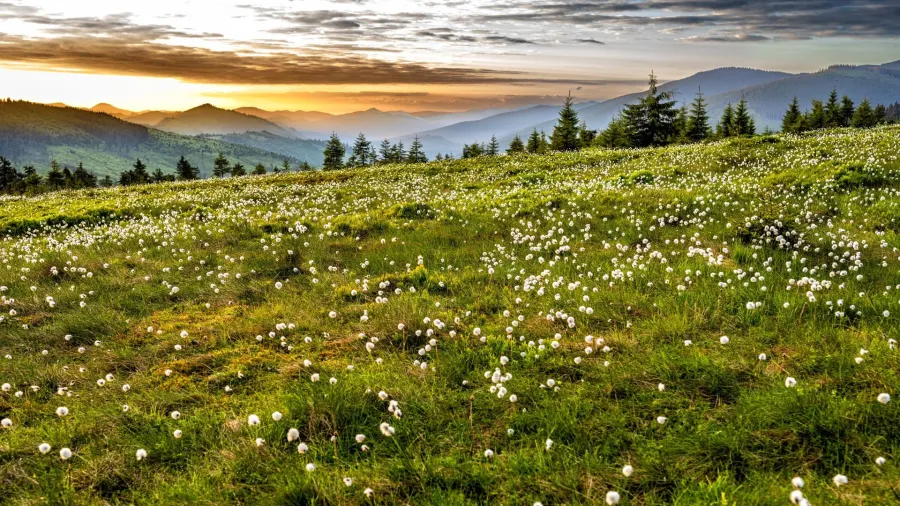
Location and access
Prislop Pass is located in the Rodna Mountains, part of the Eastern Carpathians. It lies on national road DN18, which connects the town of Borșa (Maramureș County) with Cârlibaba (Suceava County).
Prislop Pass links the Maramureș Depression to the west-northwest with the Bistrița Aurie (Golden Bistrița) Valley in Moldavia, to the east-southeast.
It is bounded by the Rodna Mountains to the south and the Maramureș Mountains to the north, on the ridge between Preluca Tătarilor and Stiol Peak (1,611 m).
The pass stretches between the town of Borșa to the west and the village of Șesuri, in Cârlibaba commune, to the east. The Maramureș side is steeper, while toward the south the slopes become gentler. See Wikipedia
National road DN18 (236 km), which crosses Prislop Pass, is open all year round.
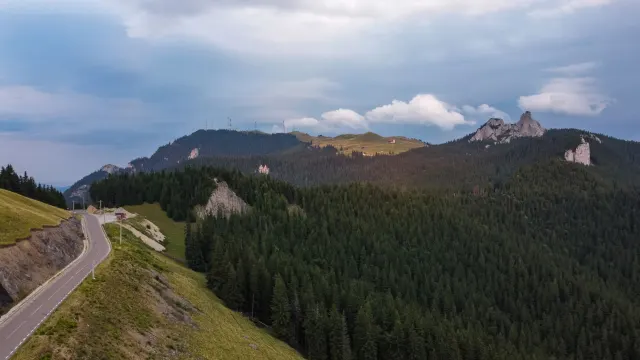
Along the route, travelers will come across scenic hairpin bends and viewpoints offering spectacular panoramic views of the mountain landscape.
Prislop Pass is about 20 kilometers from Borșa, a mountain resort known for its winter sports and for access to the nature reserves of the Rodna Mountains.
Borșa
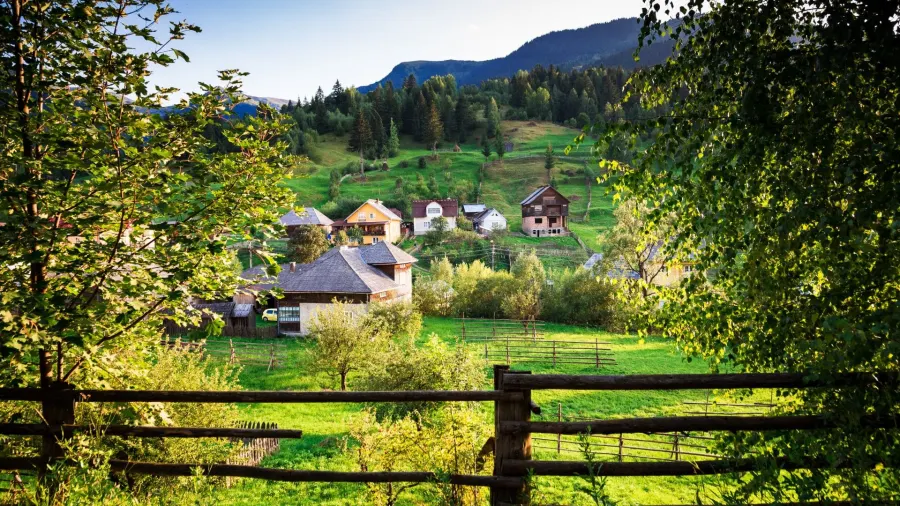
The nearest railway line is Line 410, which connects Vișeu de Jos with Borșa and runs along the Vișeu Valley.
The distance to Sighetu Marmației, the historical capital of Maramureș, is about 100 kilometers (2 hours), while Vatra Dornei is about 65 kilometers away (1 hour).
History and cultural significance
Prislop Pass is not just a scenic pass in the heart of the Carpathians, but also a place of historical significance.
Over the centuries, the pass was a crucial link between Maramureș and Bukovina, serving as a trade route for caravans carrying goods between the two regions.
Prislop Pass at sunset
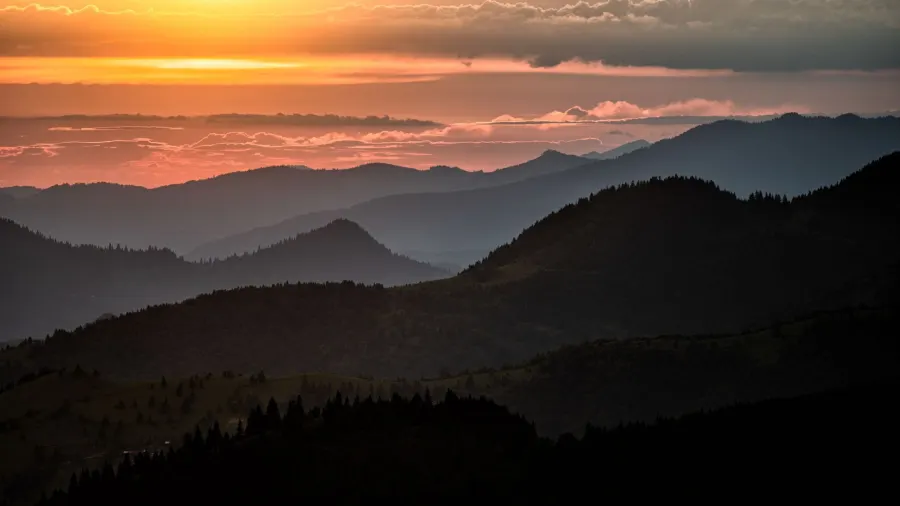
In addition, because of its strategic position, Prislop Pass was also used for military purposes at various points in history.
During World War I, thanks to its altitude and central position in the Eastern Carpathian chain, Prislop Pass became contested ground between the warring armies.
The pass offered a strategic advantage, allowing troops and equipment to move quickly between fronts. Around 1915, the Austro-Hungarian army even built a railway over the pass, using Russian prisoners of war.
The pass was just as important in World War II, when it once again served as a strategic point in the military campaigns in the area.
In both conflicts, the pass played a crucial role, and the memory of these events is still preserved today through monuments and historical accounts.
The monument at Preluca Tătarilor, which commemorates the 1717 victory of the locals, led by archpriest Șandor Lupu, over the Tatars, stands near the pass, while soldiers who fell in the two world wars are buried in the military cemetery next to Prislop Monastery.
The monument, visible from the main road, is a stopping point for many travelers crossing Prislop Pass.
In contrast to the peaceful natural landscape of Prislop Pass, the monument is a reminder of the struggle and sacrifice that defined the region in times of war.
Landscape and natural attractions
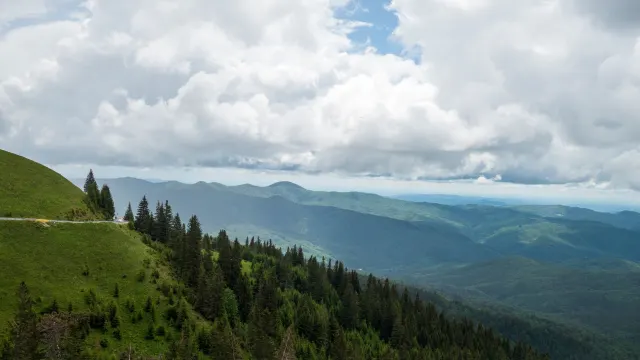
Prislop Pass offers some of the most impressive panoramas in the Eastern Carpathians. Viewpoints along the road let visitors admire the towering peaks and deep valleys in all their splendor.
One of the most striking views is toward Pietrosul Rodnei, the highest peak in the Eastern Carpathians, at an altitude of 2,303 meters.
The valleys around the pass stretch out like green ribbons, completing the natural scene with a beauty that draws photography enthusiasts and nature lovers.
Fauna and flora
The Rodna Mountains, where Prislop Pass is located, are part of a protected nature reserve that is home to exceptional biodiversity.
The area is known for rare plant species such as edelweiss and Carpathian rhododendron, as well as for its dense conifer and beech forests.
The wildlife is just as rich, with species emblematic of the Romanian mountains, such as brown bears, wolves, and chamois, which find an ideal habitat here.
In the alpine areas, lucky hikers may spot these animals in their natural environment, while birds of prey such as golden eagles often soar overhead.
Outdoor activities
Mountain hiking is one of the main attractions, with trails leading to impressive peaks and places of wild beauty. One of the popular trails in the area leads to Iezer Lake, a glacial lake at the foot of Pietrosul Rodnei, shaped like the map of Romania.
Mountain biking is an increasingly popular activity on the roads and mountain trails around Prislop Pass.
The bike routes follow the hairpin bends and offer spectacular scenery, suitable for both beginners and more experienced cyclists.
Landscape photography is a favorite activity with visitors, as each season turns Prislop Pass into a different picture, whether it's the vibrant colors of fall or the pristine snows of winter.
For mountain expedition enthusiasts, the Maramureș Mountains stretch north of Prislop Pass, with peaks such as Toroiaga (1,930 m).
Attractions near Prislop Pass
Near Prislop Pass, visitors can discover a number of spectacular places, from impressive mountain landscapes and hiking trails to monasteries, traditional villages, and nature reserves.
Borșa Resort
Located about 20 kilometers from Prislop Pass, Borșa is known especially for its ski slopes, but also for its prime location at the foot of the Rodna Mountains, which makes it a gateway to numerous nature reserves and mountain hiking trails.
Prislop Pass in winter
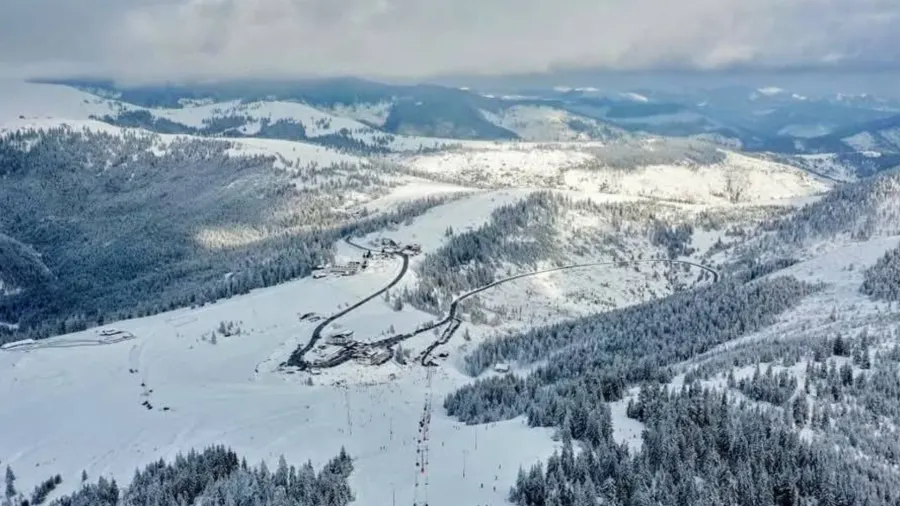
In winter, the resort draws winter sports enthusiasts with its excellent skiing conditions and spectacular scenery.
The rest of the year, Borșa is a starting point for hikes in Rodna Mountains National Park.
Prislop Slope and Borșa Olympic Slope
Winter sports enthusiasts will find two major ski slopes near Prislop Pass. Prislop Slope is located near the pass and offers an experience suited to both beginners and experienced skiers.
Borșa Olympic Slope, one of the best known in Maramureș, is about 3 km long and is served by a gondola; together with the blue run, the area has about 6 km of slopes.
Horses' Waterfall
A short distance from Borșa, visitors can discover the Horses' Waterfall, one of the most spectacular waterfalls in Romania, with a drop of about 90 meters. It can be reached via easy mountain trails or by chairlift from Borșa Resort, making it a popular attraction for visitors of all ages.
Prislop Monastery
At the top of Prislop Pass stands Prislop Monastery (with two patron feasts, the Transfiguration and the Holy Trinity), inaugurated in 2008 after work that had been under way since 1999.
Prislop Monastery, Maramureș
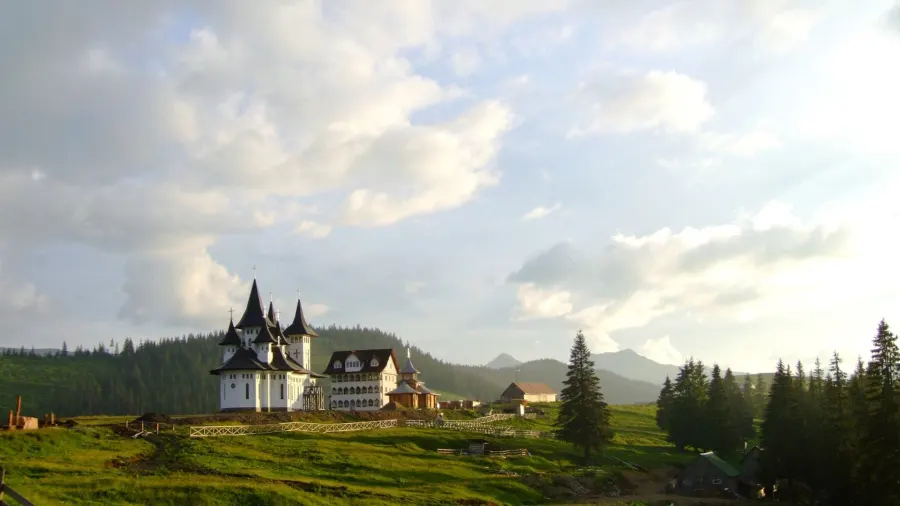
It is a place of contemplation and spiritual peace, with a special beauty owing to its secluded location and the surrounding mountain landscape.
Next to the monastery church there is also a military cemetery, where 136 soldiers who died in the two wars are buried.
Rodna Mountains National Park and Pietrosul Rodnei
Rodna Mountains National Park, one of the largest and most important nature reserves in Romania, offers a spectacular setting for hikers and nature lovers.
The park is home to a variety of rare plant and animal species, including protected ones.
The park's highest point is Pietrosul Rodnei, ideal for adventurous hikes. It can be reached from Borșa and offers outstanding panoramic views of the region.
Cornu Nedeii – Ciungii Bălăsinei Reserve
Another natural point of interest is the Cornu Nedeii – Ciungii Bălăsinei Reserve near Borșa: 800 hectares in the Maramureș Mountains, protected since 1971 mainly for the black grouse, with limestone cliffs such as Cearcănu.
Știol Lake
Știol Lake is a glacial lake in the Rodna Mountains, at an altitude of about 1,800 meters, near Gărgălău Peak. It is the source of the Bistrița Aurie River, and you reach it on foot, on a hike of a few hours.
The Root Museum
A unique and lesser-known attraction is the Root Museum, right at Prislop Pass, where visitors can see a fascinating collection of unusually shaped tree roots gathered over the decades by Ștefan Grec, as well as objects left behind by soldiers from the two world wars.
These sculptures are natural, and their shape was “found” by the artist, with each piece having its own story.
The museum is a perfect place for lovers of unconventional art and for anyone interested in nature's creations.
Băile Borșa
For those seeking relaxation and recovery, Băile Borșa, a locality that is part of the town, is known for its bicarbonate, calcium, magnesium, and iron-rich mineral springs, used to treat kidney and urinary tract conditions.
The Vâltori (Washing Whirlpools) of Maramureș
One of the traditional attractions of Maramureș is the vâltoare, a traditional installation used to wash large textiles. It is powered by water currents and represents an important cultural heritage, giving visitors a chance to observe traditional ways of life in Maramureș.
The vâltoare is a symbol of local culture and traditions and a unique attraction in the region.
Cearcănu and Cornu Nedeii Peaks
For experienced hikers, Cearcănu and Cornu Nedeii peaks are two of the most challenging and impressive destinations near Prislop Pass. These peaks offer spectacular mountain trails and stunning views over the entire area.
Mocănița
The Maramureș Mocănița is a famous steam train that runs on a narrow-gauge forest railway along the Vaser Valley, by the border with Ukraine, offering a unique tourist experience in a spectacular natural setting.
It is one of the last working narrow-gauge steam trains (mocănițe) in Romania and attracts thousands of tourists from Romania and abroad every year.
Seasonal activities at Prislop Pass
In summer, Prislop Pass becomes an ideal place for nature and adventure lovers. Mountain hiking is one of the main activities, with scenic trails to spectacular peaks and glacial lakes, such as Pietrosul Rodnei or Iezer Lake. The trails vary in difficulty, so both beginner and experienced hikers can find suitable routes.
For mountain biking enthusiasts, Prislop Pass offers routes over rugged terrain that cross forests and alpine meadows, revealing landscapes of rare beauty.
Camping is also a popular activity, giving visitors the chance to spend nights under the starry sky, surrounded by the quiet of nature.
An important cultural attraction in the summer season is the Hora at Prislop festival (Hora la Prislop), a traditional celebration that brings together thousands of people every year.
The festival, held on the first Sunday after the Feast of the Dormition of the Mother of God in August, celebrates Romanian traditions and folklore with dances, folk music, and traditional costumes from Maramureș and Bukovina.
The Hora at Prislop festival is one of the largest and most representative folk celebrations in Romania.
In winter, Prislop Pass and Borșa Resort turn into a true winter sports paradise.
Borșa in winter
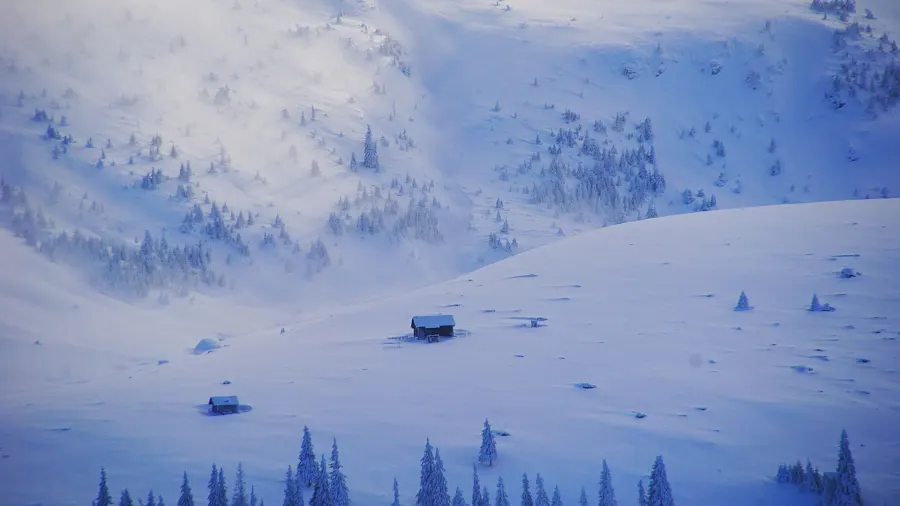
Alpine skiing is one of the main attractions, and Borșa offers well-groomed, well-equipped slopes suitable for skiers of all levels. Borșa Olympic Slope is one of the most popular in the area, nearly 3 km long and served by a gondola.
For those who prefer less conventional activities, ski touring or snowboarding at Prislop Pass are excellent options.
Accommodation and food recommendations
Along the DN18, especially on the stretch that crosses Prislop Pass, travelers will find parking areas at the viewpoints, where they can stop to admire the mountain views.
Near the pass there are also a few rest stops and local restaurants where travelers can enjoy traditional dishes from Maramureș and Bukovina. Pensiunea Pasul Prislop (it also has a zip line). These facilities are essential for long-distance travelers, giving them a chance to rest and enjoy the local character.
In Borșa, the nearest major town, you will find gas stations, guesthouses, and restaurants, and for those who want to explore the area, the resort offers a variety of accommodation options and recreational activities.
In the Prislop Pass area and in Borșa, visitors can choose from various accommodation options. There are mountain chalets and traditional guesthouses for those who want an authentic, peaceful experience, and there are also modern hotels in Borșa with amenities for more demanding travelers. Some guesthouses offer packages that include local activities or guided hikes.
Hotel Dia Lin is appreciated by guests for its location and dreamy views. See more details
Hotel Dia Lin
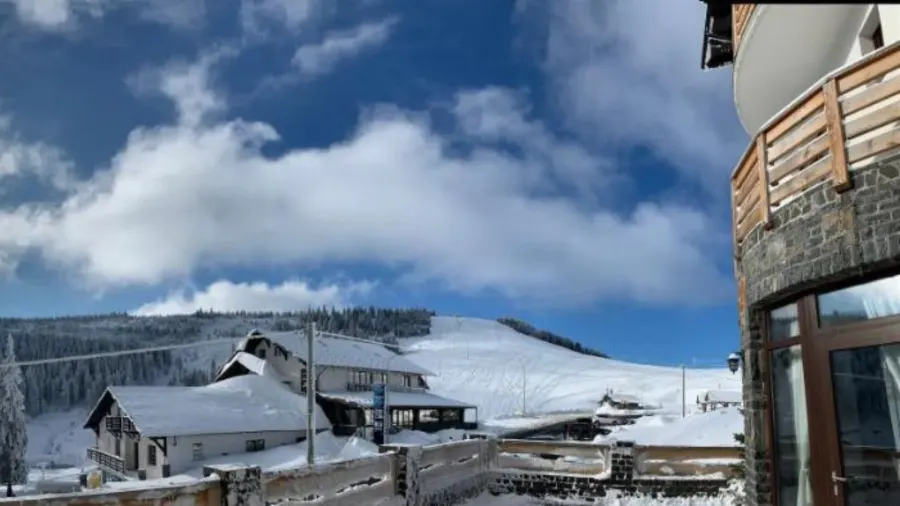
Pensiunea Mândruleanu is praised for its hospitality and good-quality service. Details here
Pensiunea Mândruleanu
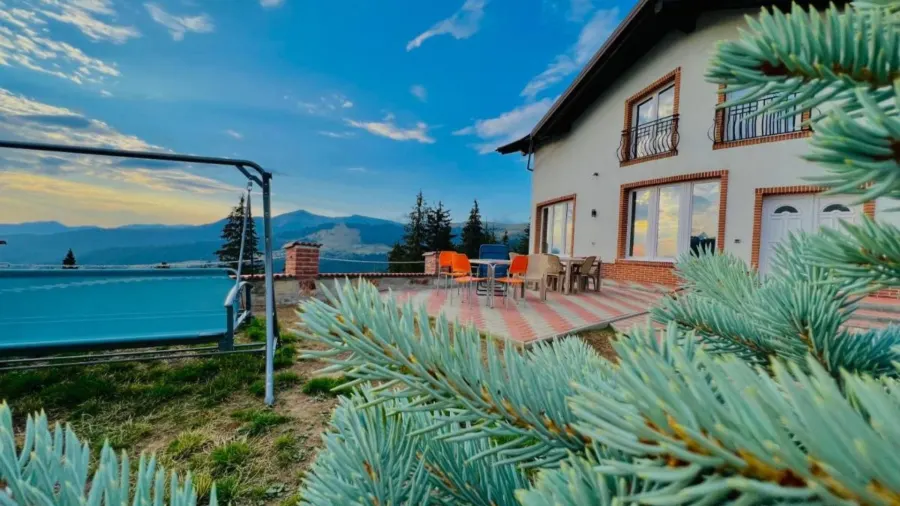
Panoramic Residence is in Borșa, in a fairy-tale setting. Details here
Panoramic Residence
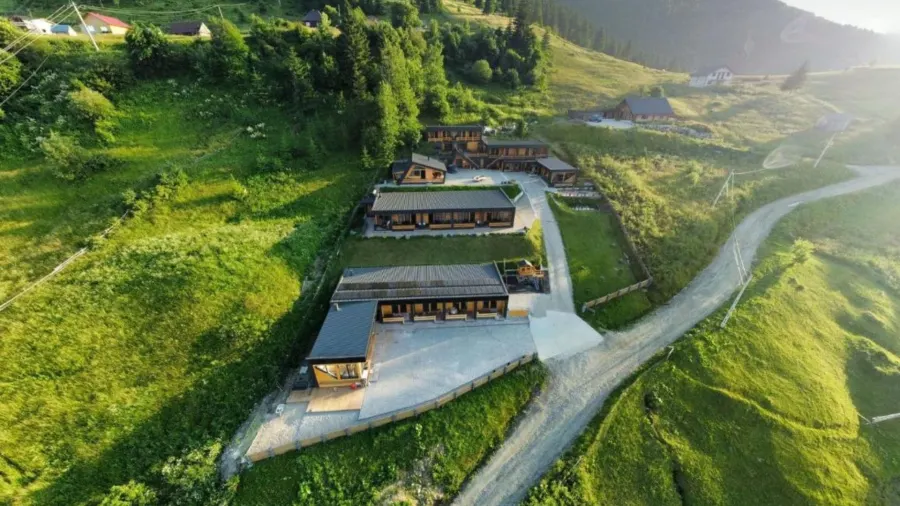
Maramureș cuisine is rich and full of local flavors. Visitors can enjoy traditional dishes such as lamb stew, balmoș (a dish of polenta with cheese and sour cream), or tripe soup (ciorbă de burtă). For dessert, sweet cheese pastries and plăcinte (pies) are very popular in the area, offering an authentic culinary experience.
Weather at Prislop Pass
The weather now at Prislop Pass and for the next 7 days:
Conclusion
Prislop Pass remains one of the most spectacular destinations on the map of Maramureș, a region where natural beauty meets tradition.
From impressive panoramas to cultural and spiritual richness, every visitor will leave with priceless memories of this unspoiled corner of the Carpathians.
Also read our articles about Tihuța Pass, the Horses' Waterfall, and the Merry Cemetery of Săpânța.