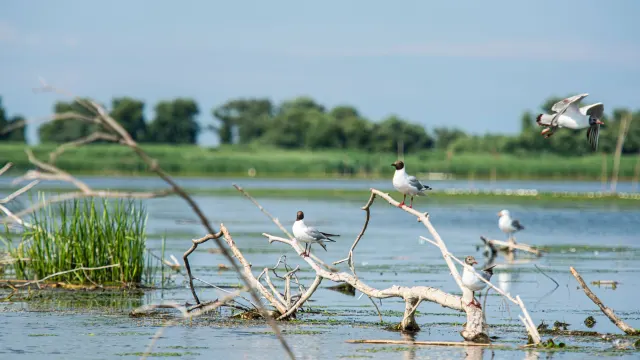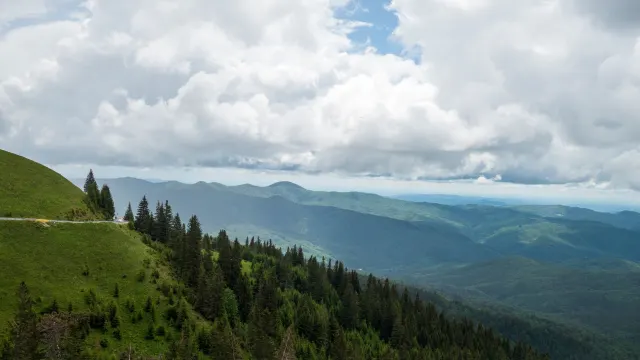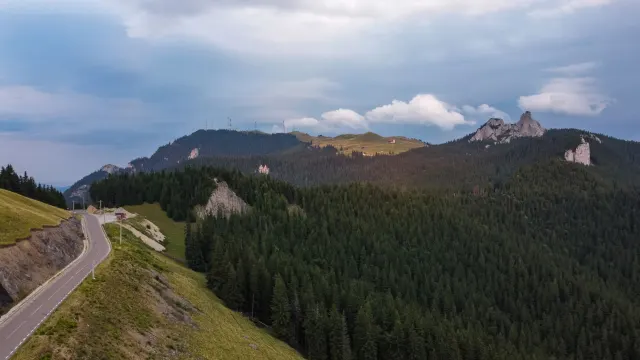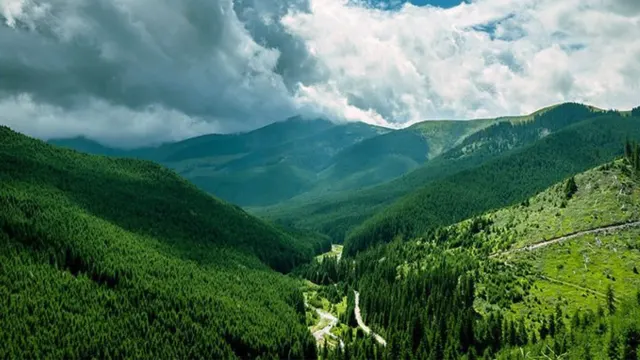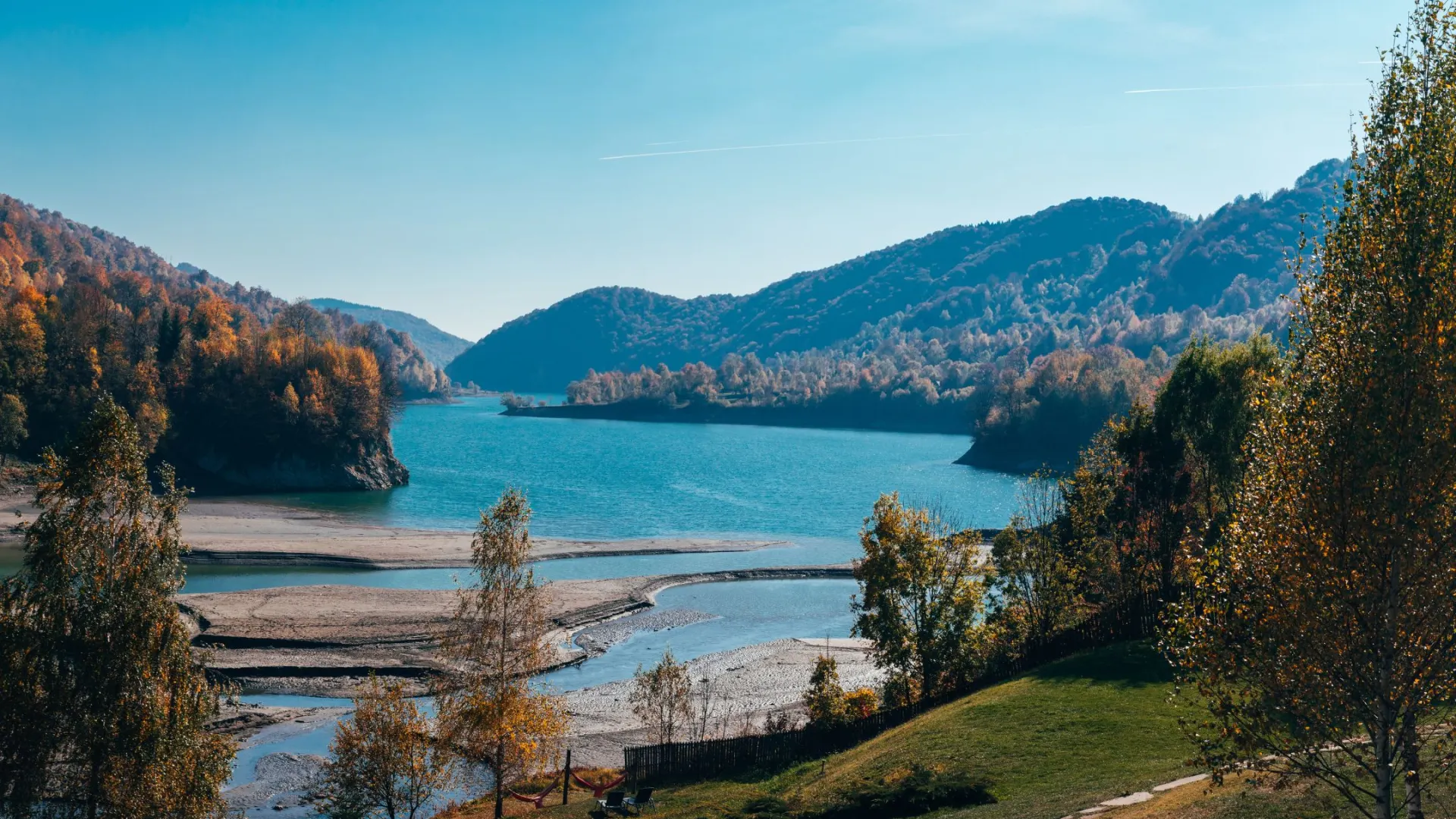
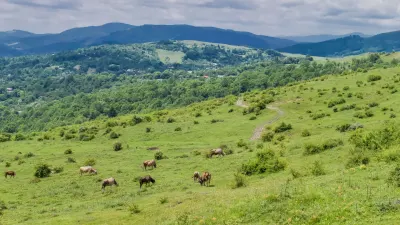
The Doftana Valley is a tourist area in Prahova County, named after the river that flows through it, the Doftana, a tributary of the Prahova River. Its heart is Valea Doftanei commune, with the villages of Teșila and Trăisteni, but the entire Doftana river valley is a delightful region with a variety of natural attractions and tourist sights.
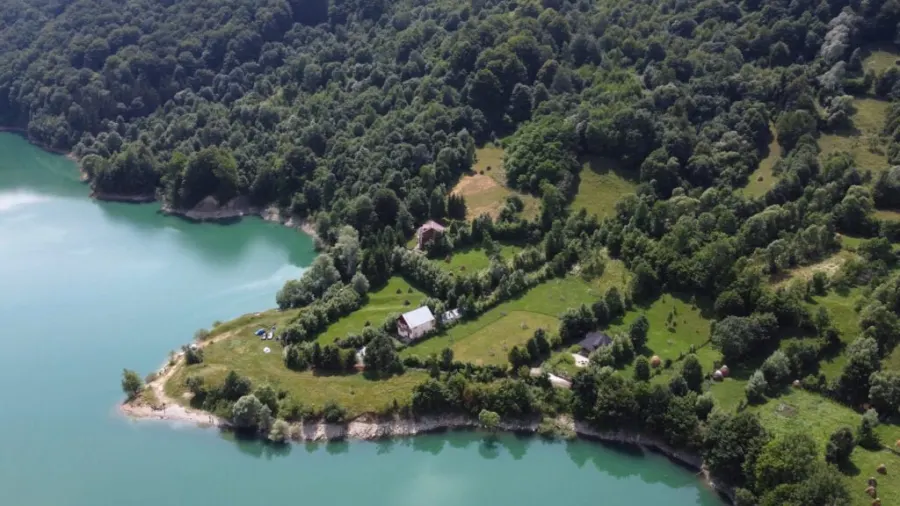
Cabin by Lake Paltinu
Location and Access
Location: The Doftana Valley lies in Prahova County, in the Curvature Carpathians of the Eastern Carpathians, at the foot of the Baiului and Grohotiș Mountains. The region lies in the northwestern part of Prahova County, between the Prahova and Teleajen river valleys, on the border with Brașov County.
It is served by county road DJ102I, which connects it to Șotrile commune and the city of Câmpina, where it joins the DN1.
North of Trăisteni, the road continues as a forest road, and a project aims to extend it to Săcele, in Brașov County, on the other side of the Eastern Carpathians.
Doftana Valley
You can reach the Doftana Valley by several routes:
DN1 (Bucharest – Brașov) via Comarnic – Secăria – Valea Doftanei. This route takes you through the authentic villages of the area. You can stop along the way to explore Teșila and Trăisteni.
DN1 (Bucharest – Brașov) via Câmpina – DJ102I – Teșila – Valea Doftanei. Along the way, you'll enjoy impressive mountain scenery.
DN1A (Bucharest – Brașov via Ploiești) through Slănic – Bertea – Valea Doftanei. This is another route linking the Doftana Valley with the Teleajen Valley. Along the way, you'll pass through villages and by natural attractions.
It's a good idea to check road conditions before setting out for the Doftana Valley. Some roads are being rehabilitated or may be affected by bad weather and rain.
Whichever route you choose, the Doftana Valley will greet you with fairy-tale scenery, centuries-old forests, and fresh air.
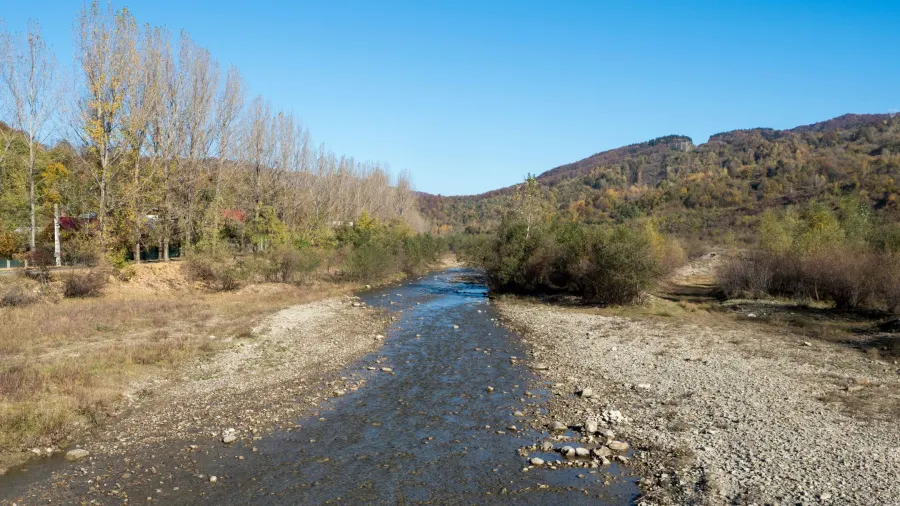
The Doftana River
Distances to the Doftana Valley:
from Bucharest: 2 hr 10 min (132.9 km) via the Bucharest – Ploiești Motorway/A3 and DN1/E60
from Brașov: 1 hr 44 min (75.7 km) via DN1/E60
from Sinaia: 44 min (28.2 km) via DN1/E60 and DJ101S
from Brăila: 3 hr 51 min (244.9 km) via DN22
from Craiova: 4 hr 45 min (367.3 km) via A1/E81
from Timișoara: 6 hr 35 min (482.3 km) via A1
from Alba Iulia: 4 hr 29 min (292.4 km) via DN1/E68
from Cluj-Napoca: 5 hr 37 min (347.1 km) via DN13/E60
A Brief History
The Doftana Valley is first documented in the first half of the 16th century: the village of Teșila appears in records in 1538, during the reign of Radu Paisie (1535–1545), and the village of Trăisteni in 1605.
However, the history of this community is much older, and the traces of its material and spiritual life can be placed in early medieval society.
According to local tradition, in the 17th–18th centuries, Romanians from Burzenland (Țara Bârsei) and the Sibiu area crossed to the south of the Carpathians, into Wallachia, and settled in the Doftana Valley, in the villages of Teșila and Trăisteni.
Ruins on the bank of the Doftana River
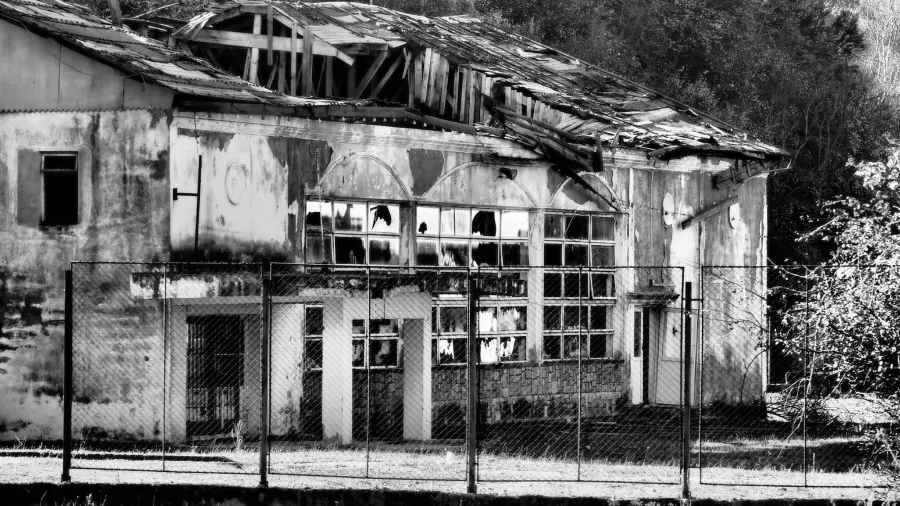
The terrain played a crucial role in the formation of the first human communities in the region. Surrounded by forests and close to streams and rivers, people built their homes here. The main occupations were raising livestock, shepherding, and forestry work, skills that were passed down from generation to generation.
In the modern and contemporary period, the Doftana Valley has witnessed social, economic, and cultural change. The development of tourism, the exploitation of natural resources, and the modernization of infrastructure have shaped the communities in the area.
Today, the Doftana Valley has become an increasingly popular destination for tourists.
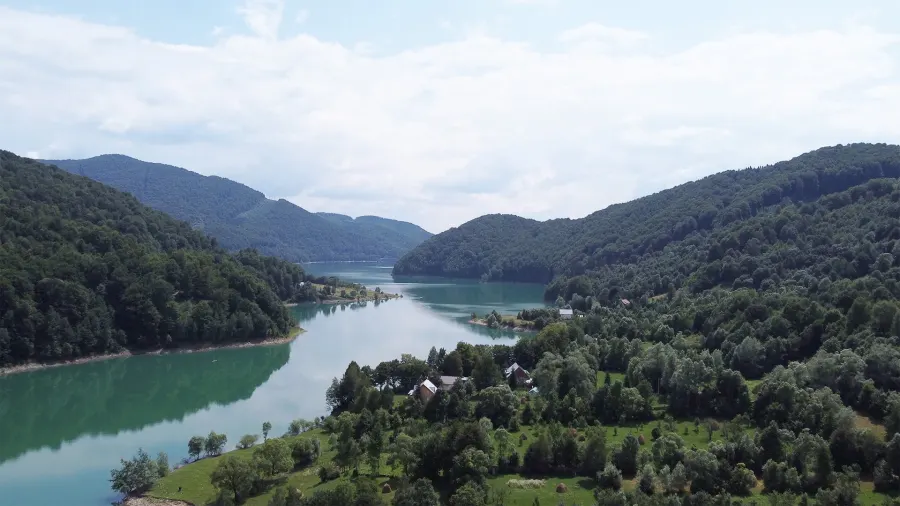
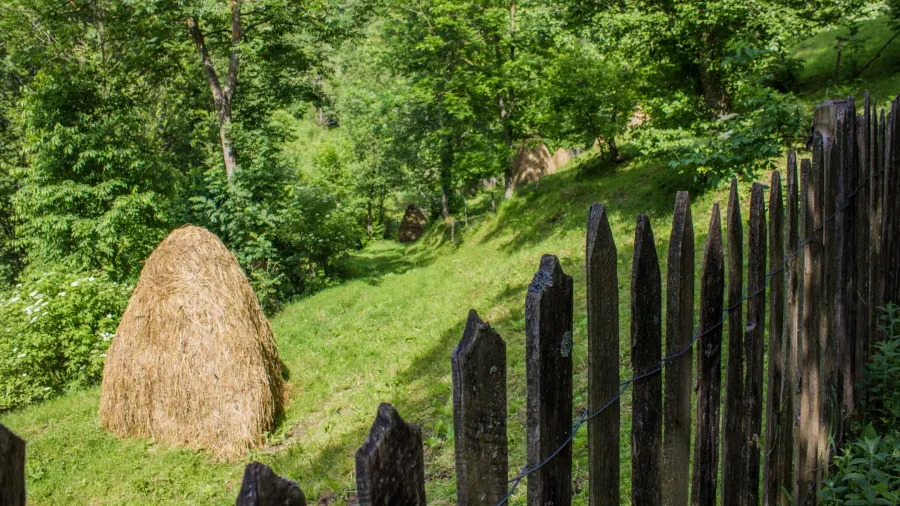
Summer landscape in the Doftana Valley
County road DJ 102I through the Doftana Valley, which will connect Prahova and Brașov counties, is being modernized: work began in 2025 and could be completed in 2027–2028. The road will be an alternative route that avoids the congestion in the Prahova Valley and on the DN1.
Attractions and Sights in the Doftana Valley
Lake Paltinu and Paltinu Dam
Lake Paltinu, Doftana Valley
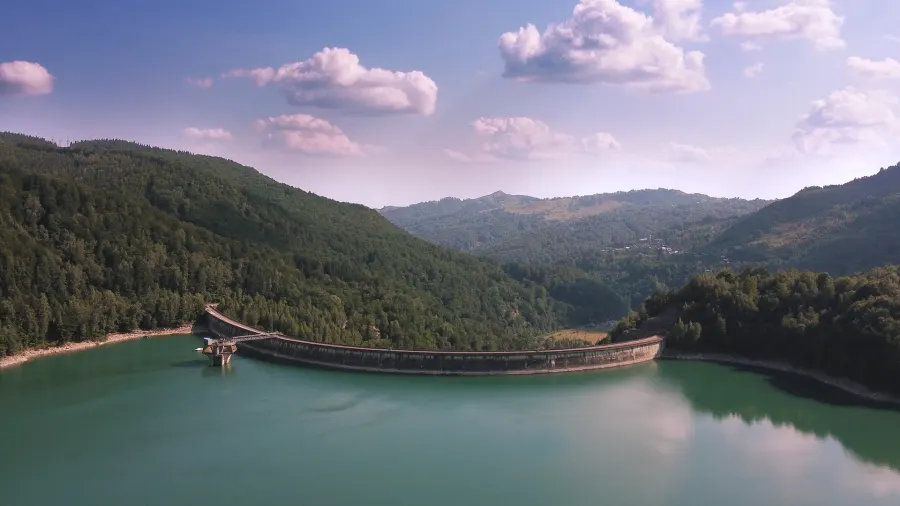
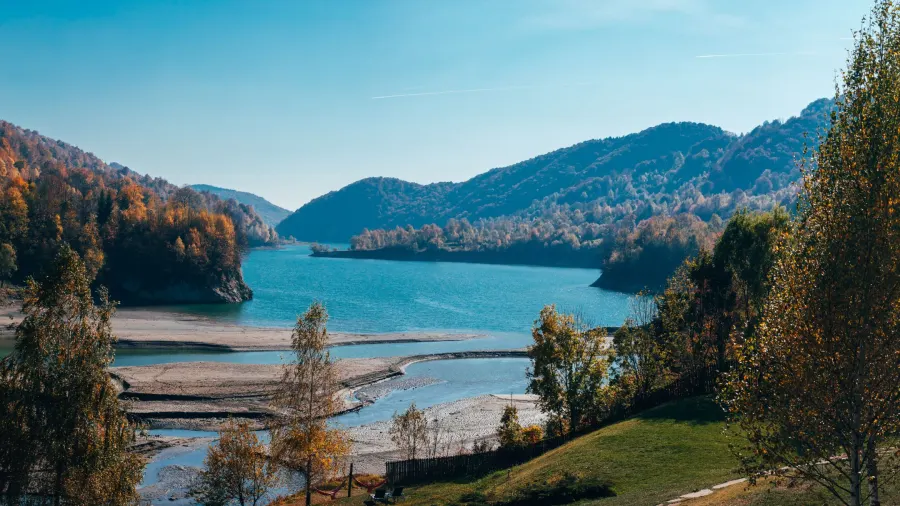
Lake Paltinu is an important tourist attraction in Prahova County. Its water is emerald green, and the lake is 3 km long. The reservoir lies at an altitude of 650 m and supplies drinking water to the cities of Câmpina and Ploiești. Swimming is prohibited because of the depth and the currents.
It is ideal for fishing, with plenty of predatory fish such as chub, perch, and pike.
Paltinu Dam, built between 1966 and 1971, is an impressive concrete arch dam with a height of 108 meters and a crest length of 455 meters.
It is located downstream of the confluence of the Doftana River and the Păltinoasa valley, in the gorge known as “La Tocile.”
Doftana Gorges
Located near Lake Paltinu, on the road between Câmpina and Valea Doftanei, the Doftana Gorges are part of a Natura 2000 site covering about 2,600 hectares.
A spectacular area where the Doftana River has carved an impressive gorge. Here you can go hiking and admire the mountain scenery.
Glodeasa Reserve
Glodeasa Forest is a protected area and a Natura 2000 Site of Community Importance in Valea Doftanei commune, with beech and fir forests.
Secăria Peak
Secăria Peak, located between Valea Doftanei and Comarnic, about 6 km from Teșila, is easy to explore from Secăria Pass. You park in the area known as “La Antene,” and from there it's about a 40-minute walk. On clear days, you can see Lake Paltinu and the Bucegi Massif from the top, while all around you stretches Glodeasa Forest.
Other Sights in and Around the Doftana Valley
Doftana Gorges
If you've checked off the places above, you should also visit the following attractions:
The Brebu Architectural Ensemble, which includes the Princely House in Brebu, begun in the time of Matei Basarab and completed in 1690, under Constantin Brâncoveanu.
The ruins of the old Doftana Prison in Telega, where Nicolae Ceaușescu was imprisoned.
Doftana Lake, formed in a former salt quarry, also in Telega.
Telega Baths (Băile Telega), known for their healing properties. According to an older ranking by a French balneological institute, the waters here rank second in Europe and fifth in the world.
Exploring the forests by bike on dedicated trails.
Brebu Gorges: More picturesque places in the area.
Păltinoasa Lake: A name sometimes used for Lake Paltinu, described above.
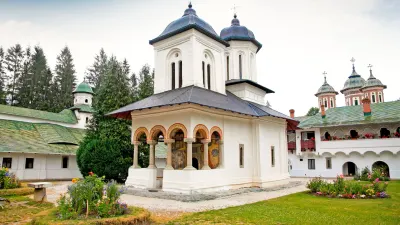
Doftana Monastery: A historic building worth visiting.
Cantacuzino Castle: Located in Bușteni, 40 km away.
In addition to the above, ten points of interest in Valea Doftanei commune are listed in the register of historic monuments of Prahova County, all recognized as architectural monuments of local importance: houses, farmsteads, and the ruins of a church.
Peleș Castle scenery
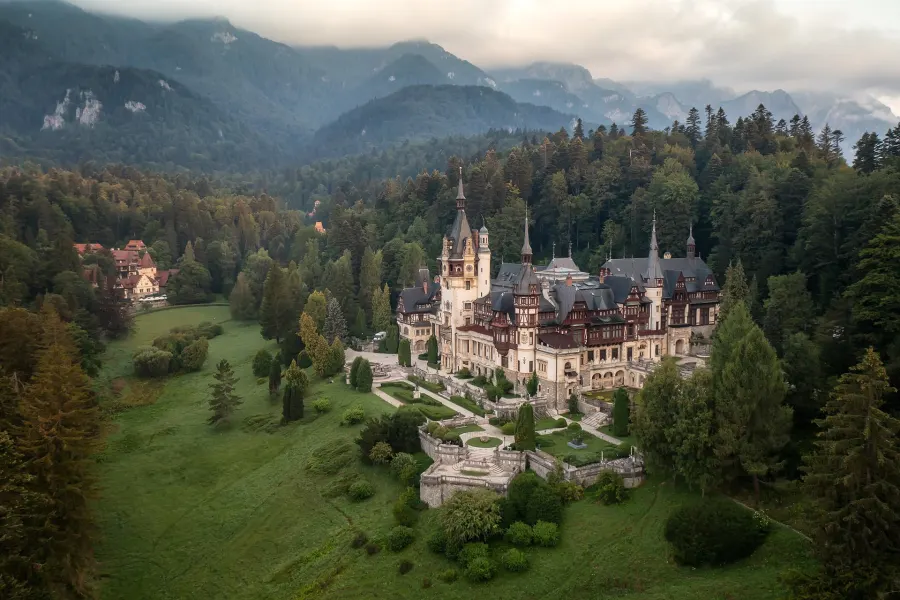
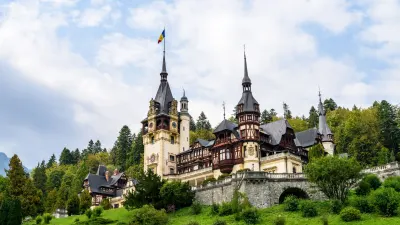
Don't miss Peleș Castle in Sinaia, about 30 kilometers from the Doftana Valley. An architectural and historical gem, it was once the summer residence of Romania's kings.
Cultural Events and Festivals
A number of cultural events and festivals take place every year in the Doftana Valley area:
Valea Neagră International Visual Arts Camp: This camp brings together visual artists from around the world, including sculptors and painters. Participants work on art projects in an inspiring natural setting, and the results are exhibited at the local museum.
Cascavea Festival: The festival is dedicated to a local cheese specialty called “cascavea.” The event includes tastings, contests, and cultural activities.
Fine Arts Museum: about 300 works of art created during the editions of the Valea Neagră International Visual Arts Camp are on display here.
The Doftana Valley is home to treasured local traditions and products, and the area is known as a wonderful place to relax. In this respect, it resembles the Arieș Valley
Accommodation
Accommodation in the Doftana Valley offers options for every taste. From traditional guesthouses in the heart of nature to modern hotels with luxury amenities, and on to vacation homes or cabins for a more rustic experience, you'll find everything you need here for a comfortable stay.
The luxury tents at Valea Doftanei Glamping are something special. Located in Teșila, it offers mountain views, free bikes, a garden, a shared lounge, and a terrace. The kitchen is equipped with a refrigerator, an oven, and a microwave.
Camping cabins at Vadul lui Zeghe Boboc are another accommodation option in the area.
Whatever your preferences, the Doftana Valley welcomes you with hospitality and beautiful scenery!
For more details and bookings, you can check specialized websites such as Turistinfo.ro, Booking.com, or Airbnb.
Weather
In summer, the Doftana Valley turns into a green paradise. The centuries-old forests and high mountain peaks are wrapped in greenery, and the fresh air embraces you.
In winter, the Doftana Valley is an oasis of peace. You can spend time by the fireplace, enjoying a cup of hot tea.
Weather today and for the next 7 days in Teșila, Valea Doftanei commune:
Frequently Asked Questions
What is the Doftana Valley and where is it?
The Doftana Valley is a mountain area in Prahova County, Romania. It is known for its picturesque scenery and tourist attractions.
What are the main sights in the Doftana Valley?
The sights include the Doftana Gorges, Glodeasa Forest, Lake Paltinu, the Church of the Holy Archangels Michael and Gabriel in Trăisteni, as well as the Baiului Mountains and Secăria Peak.
How do you get to the Doftana Valley?
The Doftana Valley is accessible by car, as it lies about 100 km north of Bucharest. The DN1 national road leads to Câmpina, and from there you can continue on to the Doftana Valley.
What can visitors do in the Doftana Valley?
Visitors can hike in the mountains, see the sights, fish in Lake Paltinu, and take part in local cultural events. It is an ideal place to relax and explore nature.
Conclusion
In conclusion, the Doftana Valley is one of Romania's most popular tourist destinations, surrounded by natural beauty and history and far from sources of pollution. From impressive mountain scenery to old castles and churches, this corner of the country offers an authentic experience to those who visit it.
Autumn landscape in the Doftana Valley
Whether you're passionate about hiking, art, or history, the Doftana Valley will win you over with its charm. So don't hesitate to explore it!
For a summer full of travel, we invite you to visit the Transalpina and the Transfăgărășan. See details here: Is the Transalpina open?, When does the Transfăgărășan open?