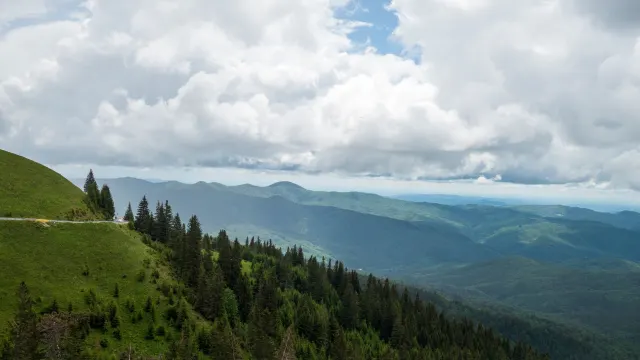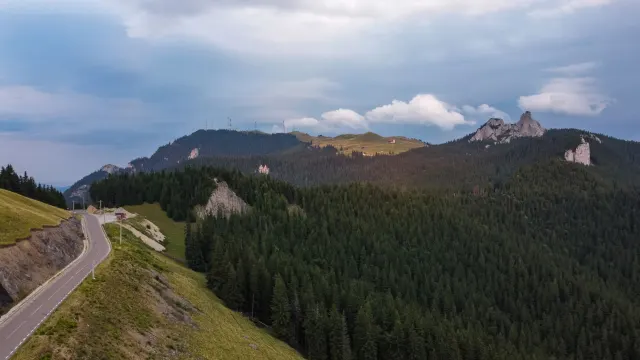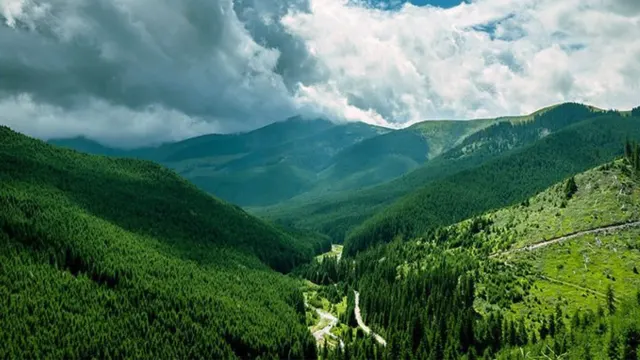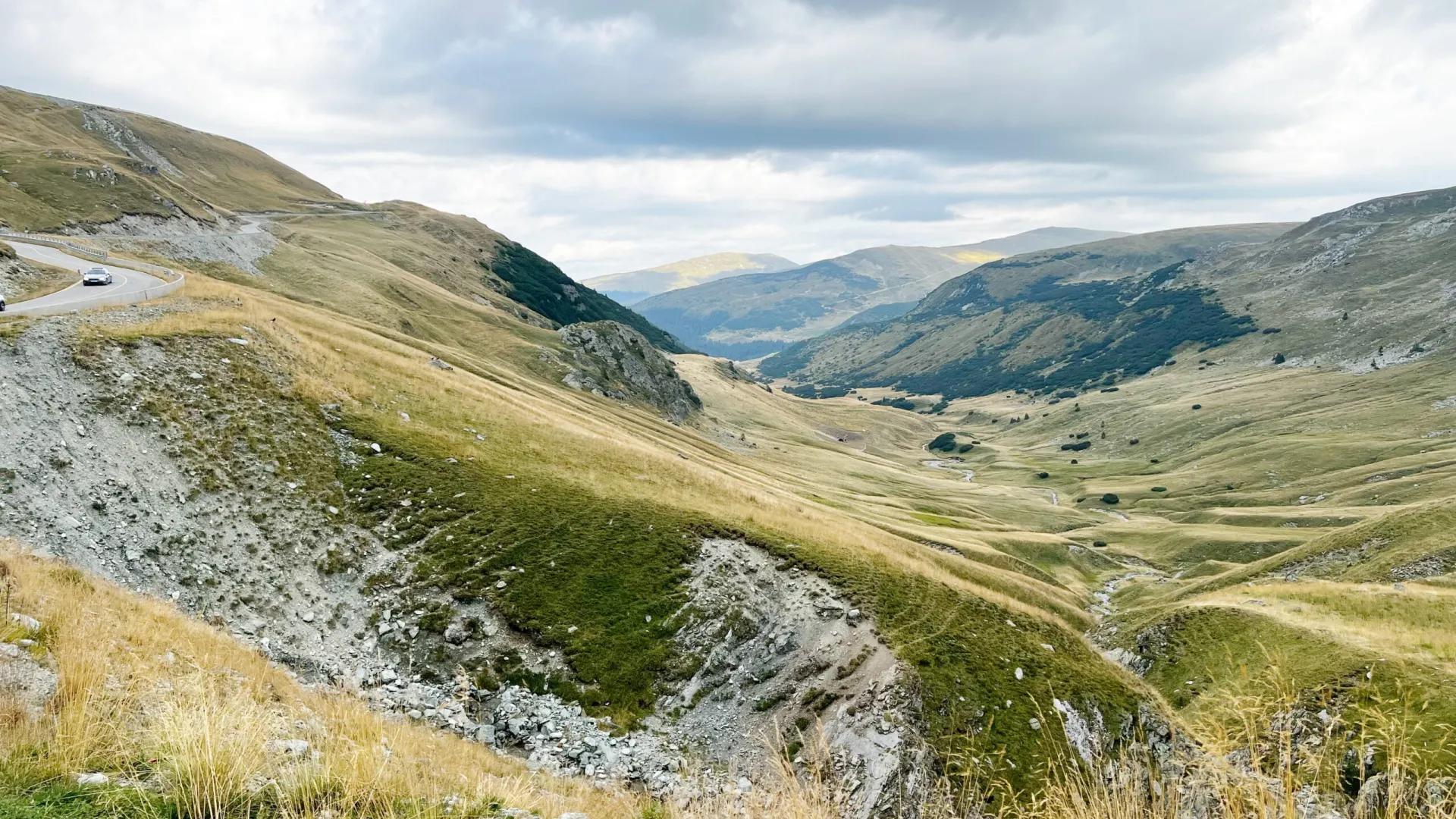
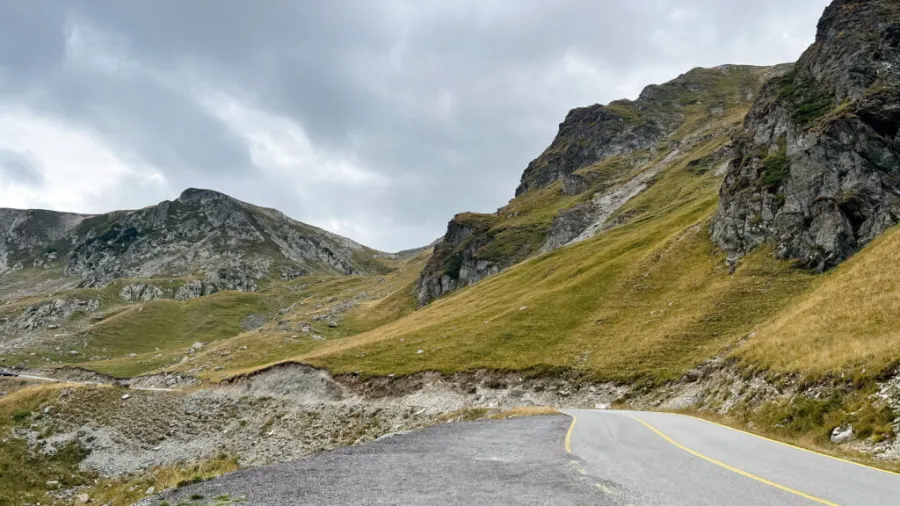
The Transalpina is one of the most spectacular mountain roads in Romania. It connects Oltenia and Transylvania, crossing the Parâng Mountains from south to north. It reaches its highest altitude along a stretch of about 20 km in Gorj and Vâlcea counties, where it runs as a “ridge road.”
Transalpina Route Scenery
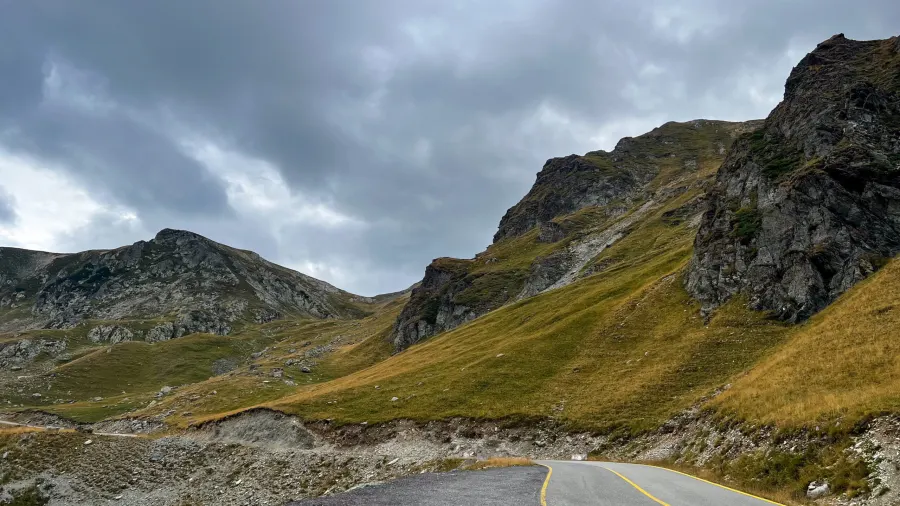
From the vast plateau and the mountain peaks to picturesque places like Rânca and Voineasa, every kilometer you travel on the Transalpina offers a new adventure.
History
The origins of the road are still unclear. Some sources say it was first built by the Roman legions during the wars to conquer Dacia, and that the road was called the “Roman strategic corridor IV.”
Local legends suggest that in the 18th and 19th centuries, local families helped build the road. According to other sources, it was rebuilt and graveled by the Germans during World War I and was rarely used.
According to Wikipedia, the Transalpina was originally a mountain path called the “Devil's Path” (Poteca Dracului), used by shepherds from Mărginimea Sibiului for transhumance. As early as 1731, the Austrian authorities proposed a trans-Carpathian road along this route.
Work to rebuild the Transalpina as a strategic road between Wallachia and Transylvania took place between 1934 and 1939. King Carol II, accompanied by the future King Michael, attended the road's inauguration in 1939, and the road became known as the “King's Road” (Drumul Regelui) or the “Royal Road.” The Germans rehabilitated it again during World War II.
The Transalpina was partially opened to traffic in 2010. Modernization work stopped in 2013, when the contractor became insolvent, and the section between Rânca and Obârșia Lotrului was officially opened to traffic on August 15, 2015, as a “road under construction.”
Route
The Transalpina, or DN 67C, stretches for an impressive 148.2 km. The road starts from DN67 at Ciocadia, near Novaci (Gorj County), and continues to Sebeș, in Alba County, crossing Gorj, Vâlcea, Sibiu, and Alba counties.
The highest point is at Urdele Pass, at 2,145 m, making the Transalpina the highest road in Romania, even higher than the Transfăgărășan.
Access Routes
Transalpina Route Map
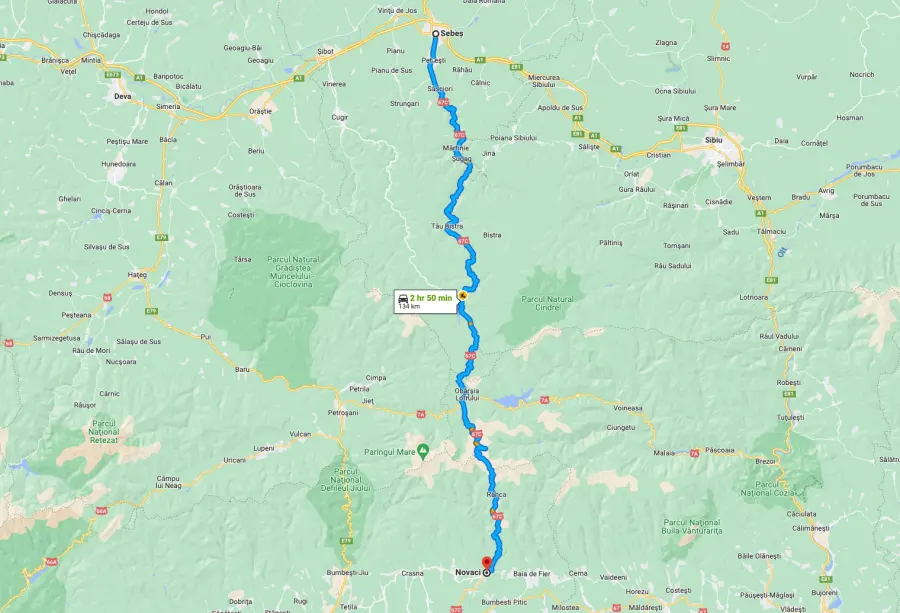
Northern Route: Sebeș – Novaci
If you want to explore the northern part of the Transalpina, consider this route. It starts in Sebeș and climbs the Sebeș Valley, through the mountain villages of Alba County, to Oașa Lake, then continues toward Obârșia Lotrului and the Rânca resort. Road conditions can change from one season to the next, so it's a good idea to check them before you set out.
Southern Route: Novaci – Sebeș
If you prefer to start from Oltenia, you can choose the southern route of the Transalpina. It starts in Novaci and takes you through the Rânca resort and the Parâng Mountains to Obârșia Lotrului, then past Oașa Lake and down the Sebeș Valley to Sebeș.
Western Route: Petroșani – Obârșia Lotrului
You can also come in from Petroșani, on DN7A, as far as Obârșia Lotrului, where you join the Transalpina. This road has been only partially paved, so it's a good idea to check its condition before you set out.
Road Conditions
Although the road is usually in good condition, traffic may be restricted on some sections because of landslides or rocks and trees that can end up on the road. This usually happens after torrential rain, when large amounts of water fall.
Traffic Schedule
Because of the altitude and the weather conditions in the mountains, DN67C is not open to traffic all year round. The alpine section between Rânca and Curpăt, which passes through Obârșia Lotrului, is closed to traffic in winter because of snow and the risk of avalanches.
Check the road's status on the following page: Is the Transalpina open? Road status and the article OFFICIAL: The Transalpina has reopened 2025
See the article Transfăgărășan and Transalpina reopen in 2025
Tourist Attractions
The “King's Road” is not just a road crossing the heart of Romania, but also a gateway to some of the country's most impressive mountain scenery. The route winds through the Parâng Mountains, revealing views that rival the world's most famous mountain destinations.
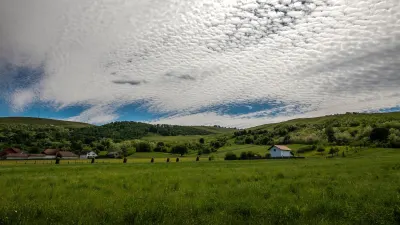
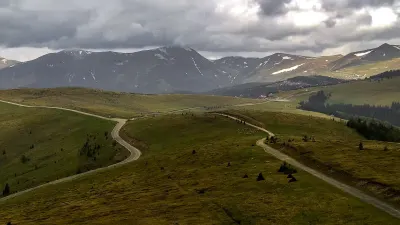
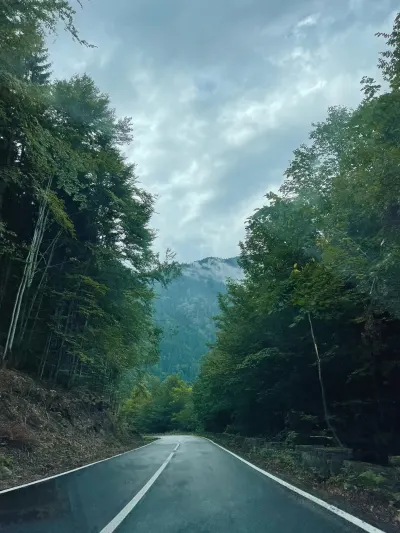
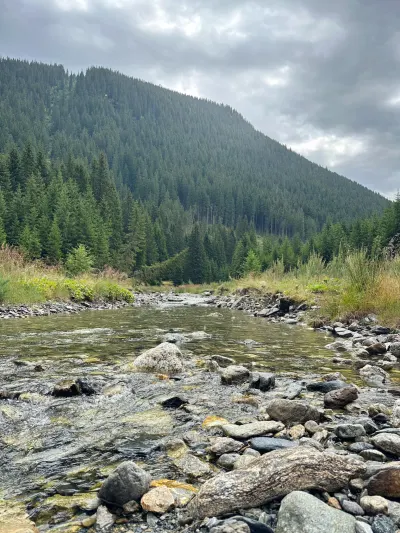
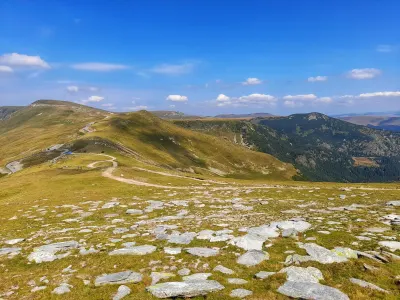
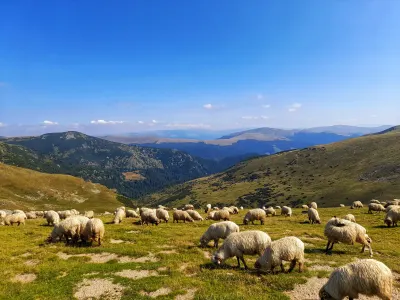
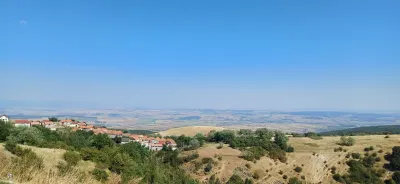
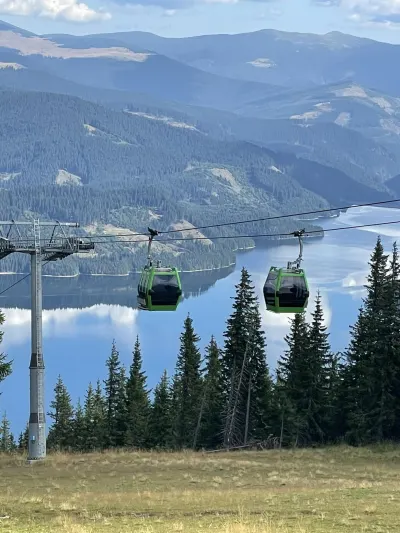
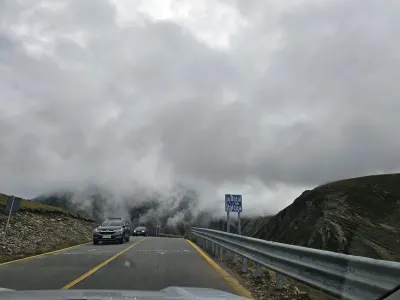
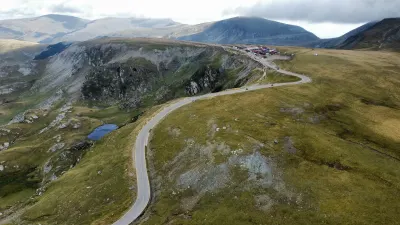
Along this route, you'll explore the natural beauty and diversity of the mountain landscape that unfolds along the Transalpina, from snowy peaks and wide plateaus to picturesque valleys, dense forests, and flocks of sheep.
Mountain Peaks
Păpușa Peak
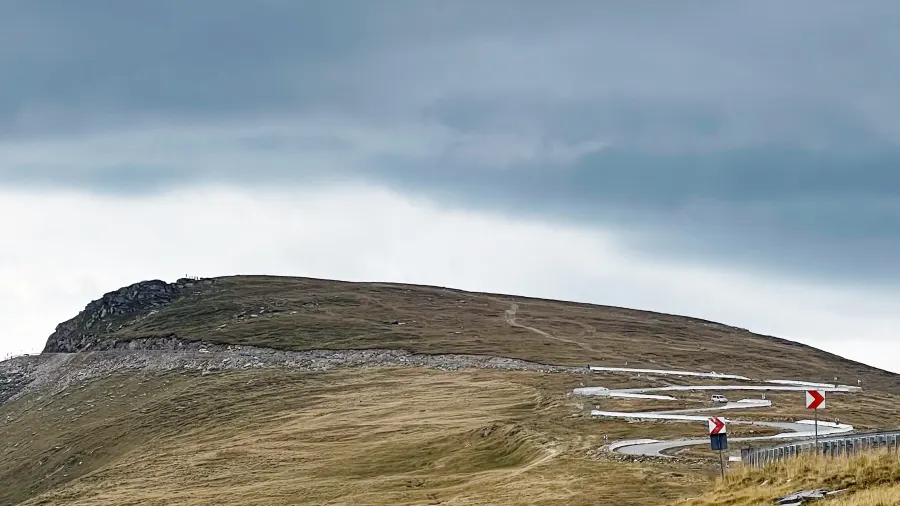
Păpușa Peak (2,136 m) is one of the most accessible peaks over 2,100 m and can be reached on a hike from Rânca. From here, you'll have an amazing panoramic view of the area.
Dengheru Peak (2,084 m)
Urdele Peak (2,228 m)
Micaia Peak (2,170 m)
Muntinu Peak (2,062 m)
Mohoru Peak (2,337 m)
Iezer Peak (2,157 m)
Parângul Mare Peak (2,519 m)
Passes / Crossings
Urdele Pass (2,145 m) – the highest point of the Transalpina. Nearby, you can take a break at a sheepfold.
Monasteries
Obârșia Lotrului Monastery
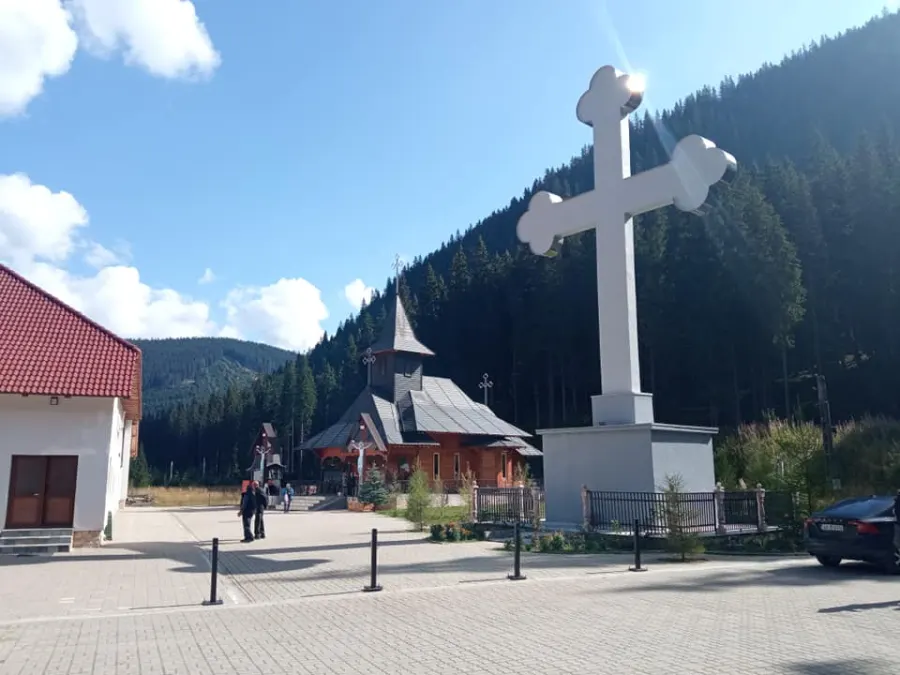
Obârșia Lotrului Monastery – in the area where the Transalpina meets DN7A
Polovragi Monastery – at the entrance to the Olteț Gorges, near Polovragi Cave
Oașa Monastery (Altitude: 1,300 m)
Resorts
Source: transatravel.ro
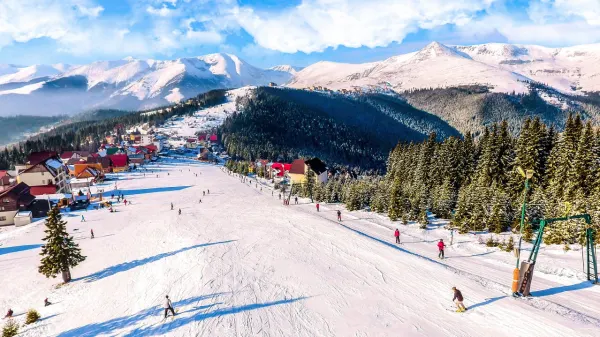
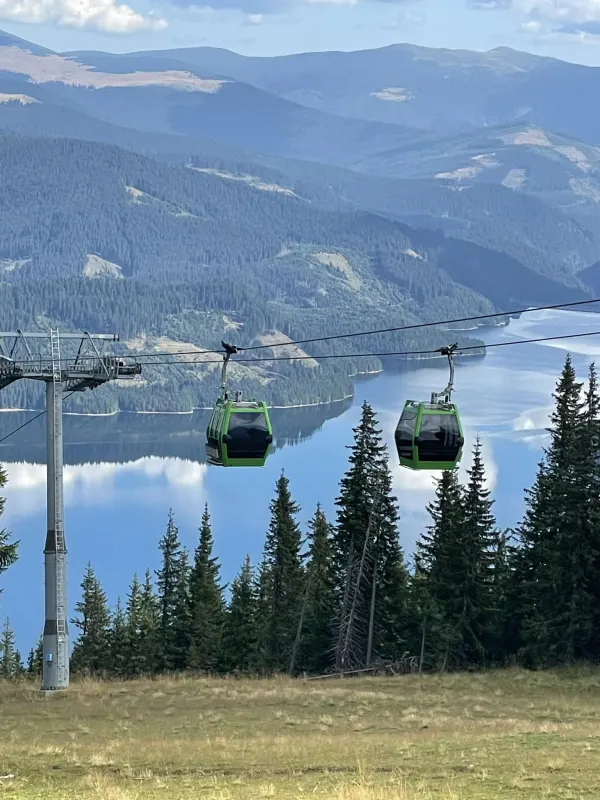
Rânca Resort (Altitude: 1,600 m)
Voineasa Resort (Altitude: 700 m)
Șureanu Ski Area
Caves
Polovragi Cave 3
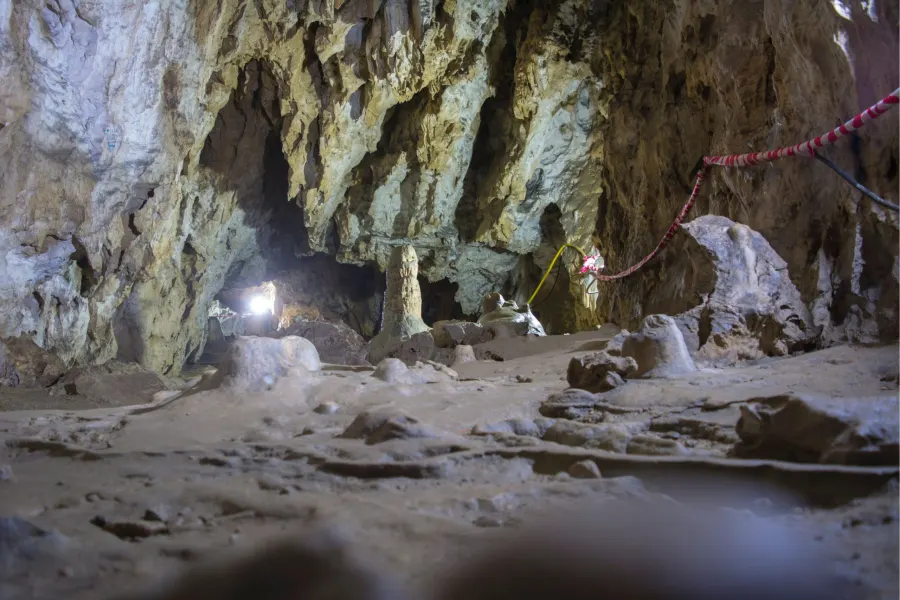
Polovragi Cave (Altitude: 670 m)
Rivers and Lakes
Oașa Dam
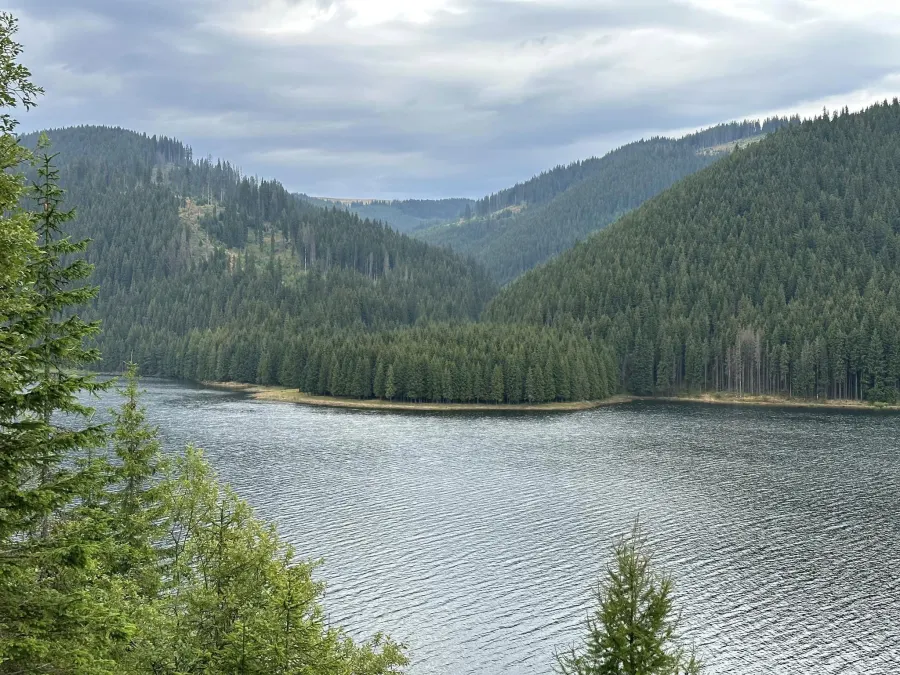
The Lotru River is 76.6 km long and has a notable average flow of about 20 m³/s. Its source lies in the Parâng Mountains, at an altitude of about 1,830 meters, in the glacial area of Gâlcescu Lake, from which it springs.
Gâlcescu Lake (Altitude: 1,925 m, Area: 31,260 m², Lake type: glacial lake, Maximum depth: 9.3 m)
Vidra Lake (Altitude: 1,289 m, Area: 1,240 ha, Lake type: reservoir, Dam height: 121 m)
Oașa Lake (Altitude: 1,255 m, Area: 441 ha, Lake type: reservoir, Dam height: 91 m)
Tău Lake (Lake type: reservoir, Dam height: 78 m, Volume: about 21 million m³)
Ski Slopes
Transalpina-Voineasa Ski Area: located in Vâlcea County, near Vidra Lake; it can be reached by several routes, but the most recommended are Sibiu – DN7 – Brezoi (Olt Valley) – Voineasa – Vidra and Petroșani – Obârșia Lotrului – Vidra; it has 9 slopes, ranging from 1,350 to 2,000 m in altitude, as well as modern ski lifts and artificial snowmaking systems.
Rânca Resort: located in Gorj County, on the Transalpina route; you can get here from Novaci or, along the Transalpina, from Sebeș via Șugag; it is considered the highest-altitude resort in Romania (1,600 m) and has several ski slopes served by ski lifts, some of which offer night skiing.
Șureanu Ski Area: located in Alba County, with a single access route: Sebeș – Șugag – Oașa Lake (DN 67C) – Oașa Monastery – Luncile Prigoanei – Poarta Raiului – Șureanu Ski Area (DJ 704); it has 11 slopes of varying difficulty, rising to about 2,000 m, and ski lifts, but no night skiing and no snow cannons.
Straja Resort: located at 1,445 m altitude, in Hunedoara County, 8 km from Lupeni; you get here from Petroșani on DN66A, via Lupeni, and from Obârșia Lotrului on DN7A to Petroșani; it has 12 ski slopes served by lifts, 5 of which offer night skiing; most of the area's roughly 26 km are maintained with artificial snow.
Parâng Resort – Petroșani: located in Hunedoara County, below Parângul Mic Peak, above Petroșani, which you reach from Obârșia Lotrului on DN7A; you go up to the ski area by chairlift (there are 2).
Hikes and Trips in the Parâng Mountains
The Transalpina passes through the Parâng Mountains, offering plenty of opportunities for mountain hikes along the way. The road is paved and passable until the snow arrives.
There are trails for all experience levels, and you can admire varied alpine vegetation. Transalpina Ski Resort is a resort worth considering during the ski season, with plenty of places to stay, but access via the Transalpina depends on the weather: the section between Rânca and Curpăt, which passes through Obârșia Lotrului, is closed in winter.
Altitude Chart of Transalpina Tourist Attractions

Weather
Find out what the weather is like on the Transalpina right now, as well as the forecast for the next 7 days along the entire route.
Weather in Sebeș
Current weather in Sebeș and the forecast for the next 7 days
Weather in Oașa
Current weather in Oașa and the forecast for the next 7 days
Weather in Rânca
Current weather in Rânca and the forecast for the next 7 days
Weather in Novaci
Current weather in Novaci and the forecast for the next 7 days
Accommodation
Explore the best accommodation options along this fascinating route. The spectacular road that crosses the Parâng and Lotru Mountains, from Gorj to Alba, offers remarkable scenery and a unique experience.
Below, grouped by area – Baia de Fier, Rânca, Oașa, and the Sebeș Valley – are some of the best places to stay along the “King's Road.”
Baia de Fier
Pensiunea Ograda Bunicilor
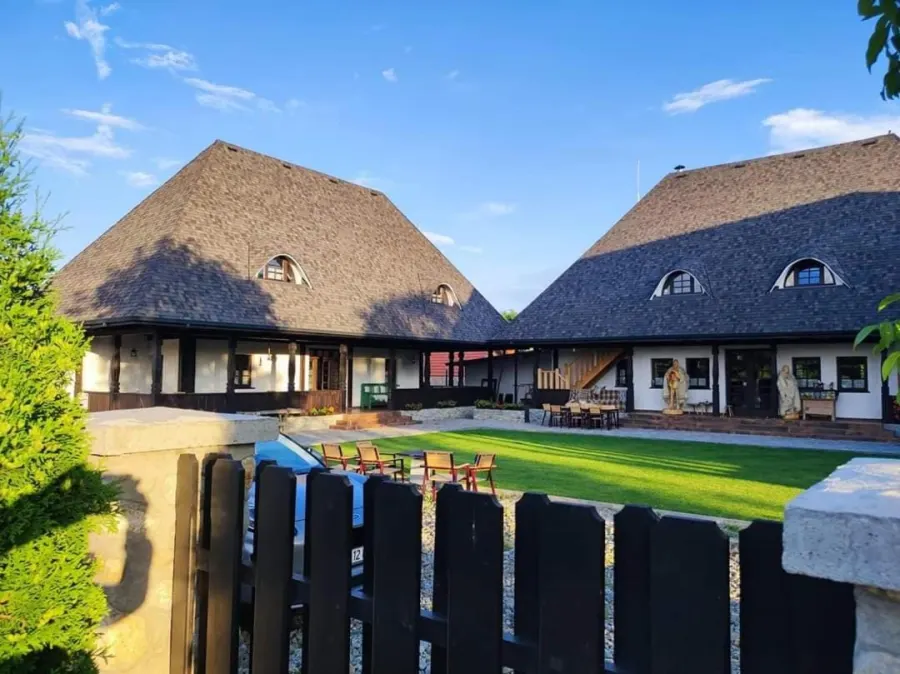
Ograda Bunicilor in Baia de Fier is an agritourism guesthouse with a traditional feel, perfect for those looking for peace and authenticity. It offers spacious rooms, a garden, a terrace, an outdoor relaxation area, and meals made with local produce. It is close to Muierii Cave and the Transalpina, and the hosts are highly praised for their hospitality. Ideal for families, couples, and nature lovers.
Pensiunea Tobo
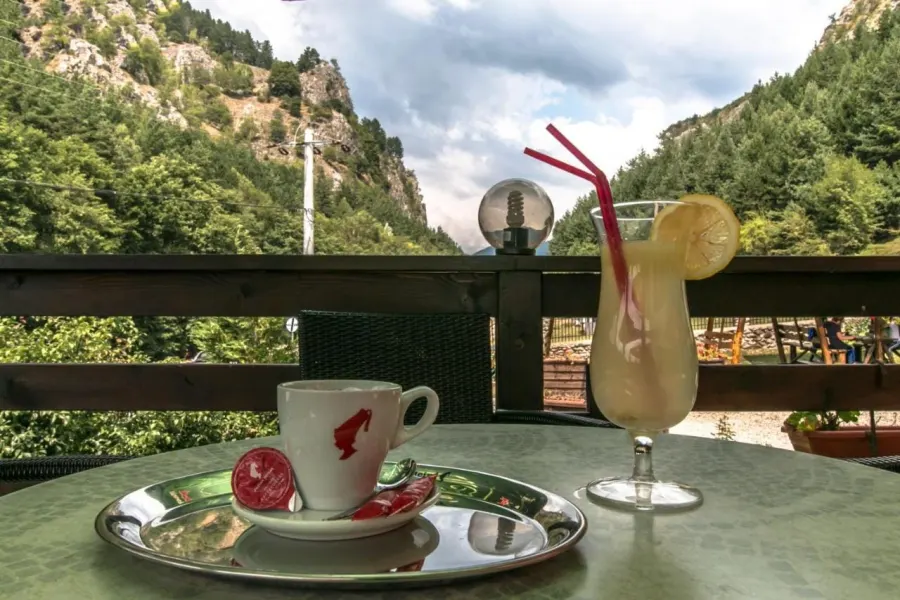
If you're looking for a picturesque place, we recommend Pensiunea Tobo in Baia de Fier. Guests appreciate the impeccable service and the hosts' hospitality. The guesthouse has a restaurant serving traditional Romanian and international dishes made with local ingredients. Facilities include a swimming pool, parking, Wi-Fi internet access, and an outdoor terrace.
Rânca
Pensiunea Constantin
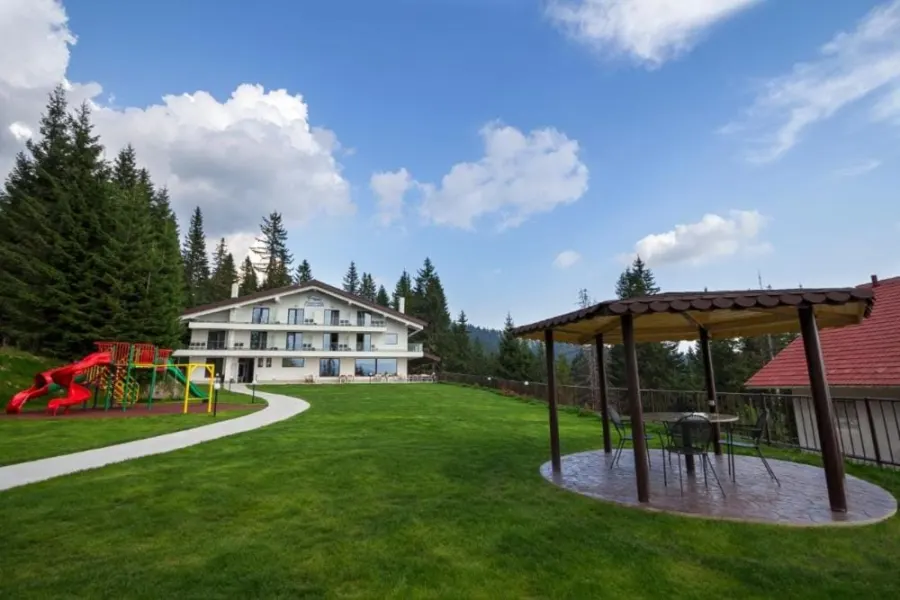
Rated four daisies, Pensiunea Constantin is just 300 meters from the center of the resort, in a quiet area perfect for relaxing. The rooms are spacious and modern, and facilities include a sauna, a fitness room, billiards, and table tennis. Guests especially appreciate the cleanliness, the comfort, and the friendliness of the staff.
Complex Turistic Veverița
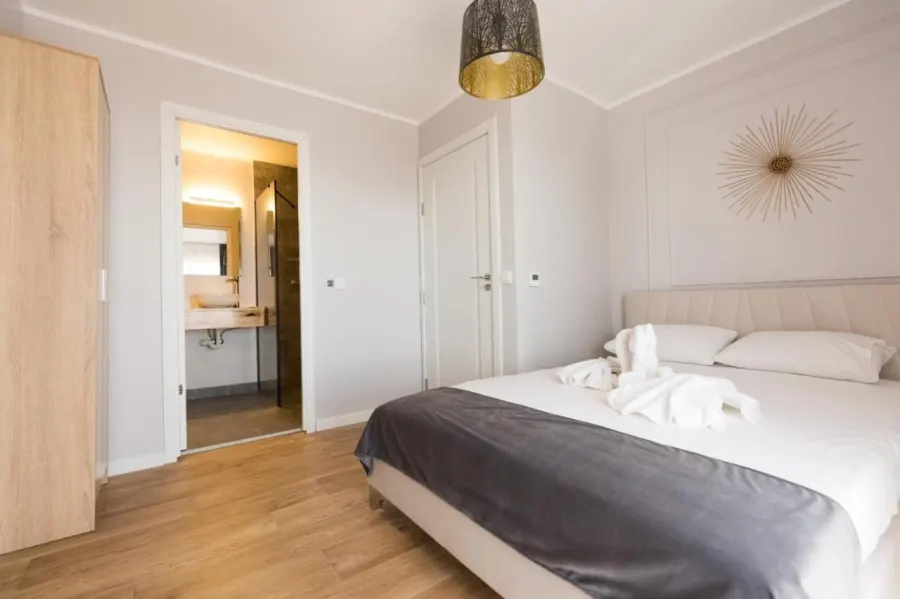
About 2.2 km from the slopes in Rânca, Complex Turistic Veverița offers a complete relaxation experience. The property has a landscaped garden, a terrace, a bar, and private parking. One of the complex's highlights is its spa center, which includes an indoor pool. It's the perfect place to unwind after an active day on the slopes or on the mountain trails.
Hotel Restaurant Alessia
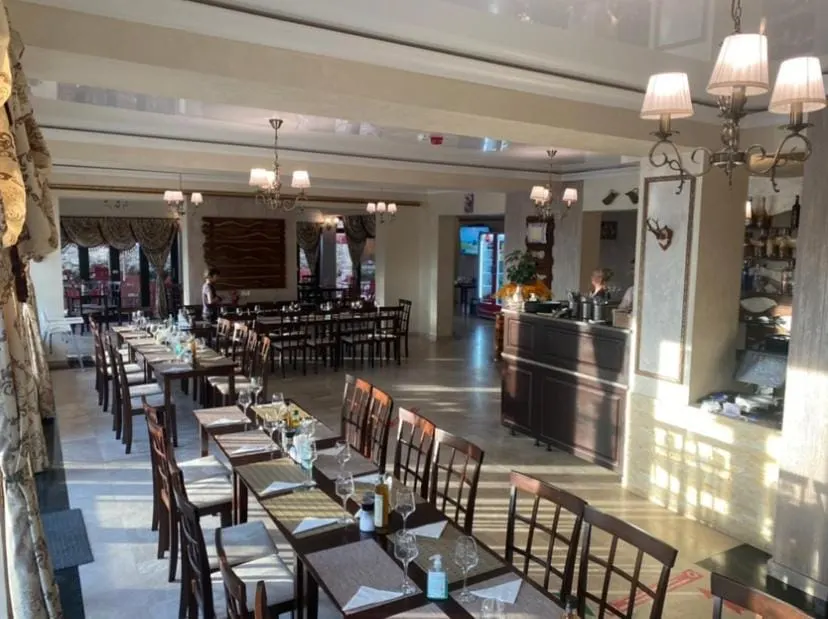
Hotel Restaurant Alessia, located 3.6 km from the ski area, combines the comfort of modern accommodation with the flavors of local cuisine. The rooms come with a balcony, a desk, a flat-screen TV, and a private bathroom, and are furnished in an elegant, practical style. The hotel also has a terrace with mountain views and is appreciated for its cleanliness, attention to detail, and the hospitality of its staff.
Oașa Area
Cabana Cerbul-Oașa Transalpina
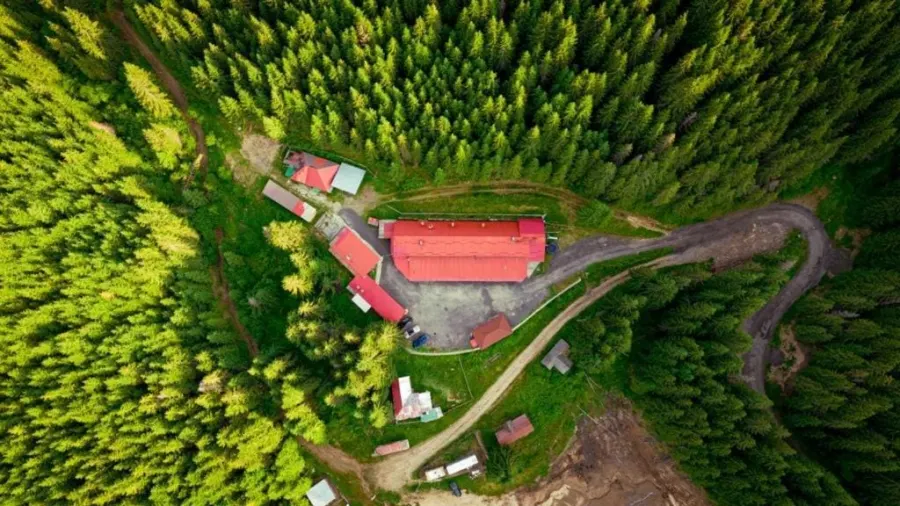
Cabana Cerbul-Oașa-Transalpina, located in Ciban, offers a garden, a shared lounge, a terrace, and a bar. Guests have access to a restaurant and barbecue facilities. The guesthouse also offers a hot tub and a shared kitchen.
Pensiunea Șureanu
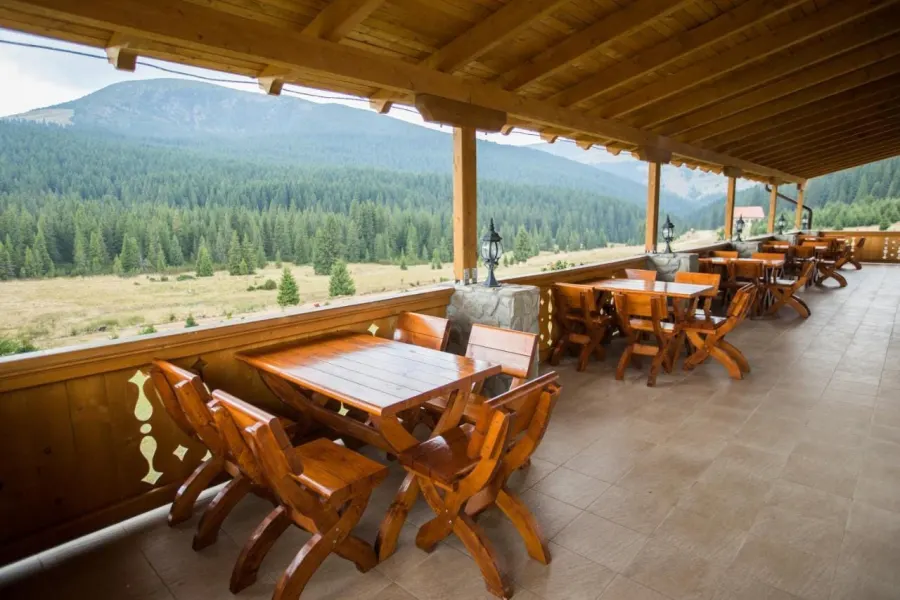
If you choose to spend a few days on the Șureanu slopes during your trip on the Transalpina, there are plenty of places to stay. Pensiunea Șureanu, rated exceptional on Booking.com, is a few minutes from the slopes; the views are dreamy, and the service is 4-star.
Pensiunea Colț din Rai
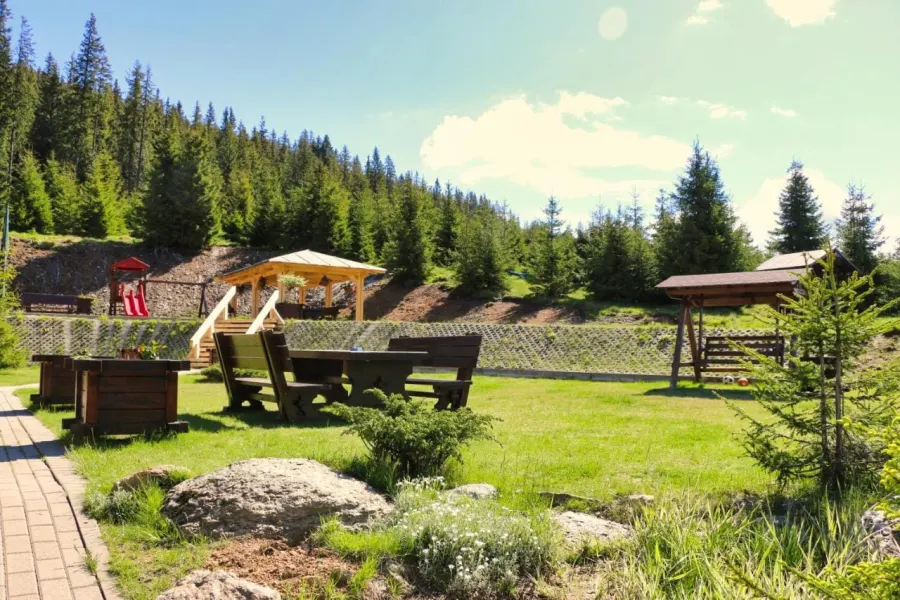
In Tău Bistra, you can stay at Pensiunea Colț din Rai. The food is good, the staff welcoming, and the views fabulous. We recommend traveling in a high-clearance vehicle in the Șureanu area.
Sebeș Valley
Nedei Hotel & Spa
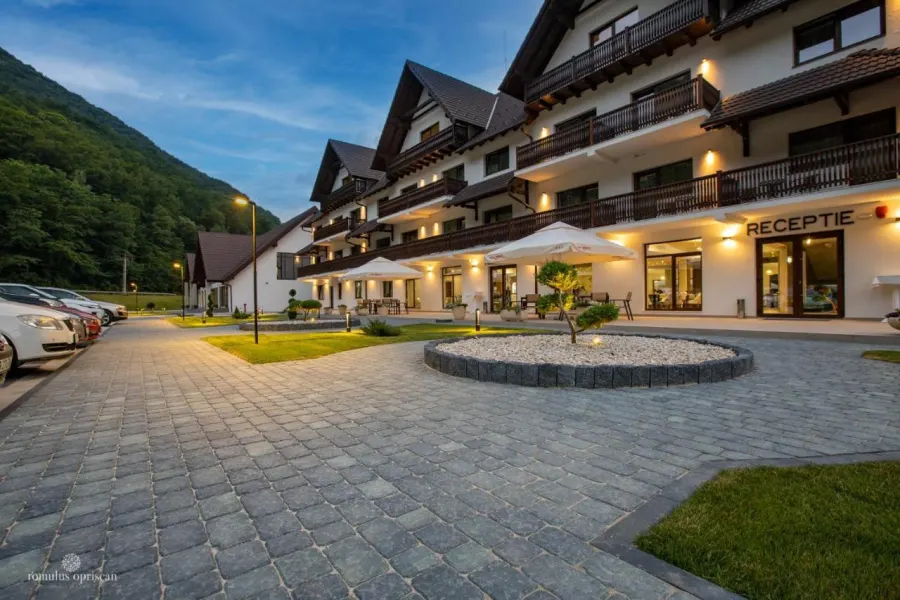
If you're crossing the Transalpina from Sebeș toward Novaci, Nedei Hotel & Spa is a comfortable place to stay. The hotel is located in the Sebeș River valley, in the village of Mărtinie, Șugag commune, Alba County. It impresses with its modern spa, with a sauna, a pool, and a salt cave, as well as its terrace with a children's playground and its restaurant serving fine dishes. A real treat for travelers.
Popasul Regelui
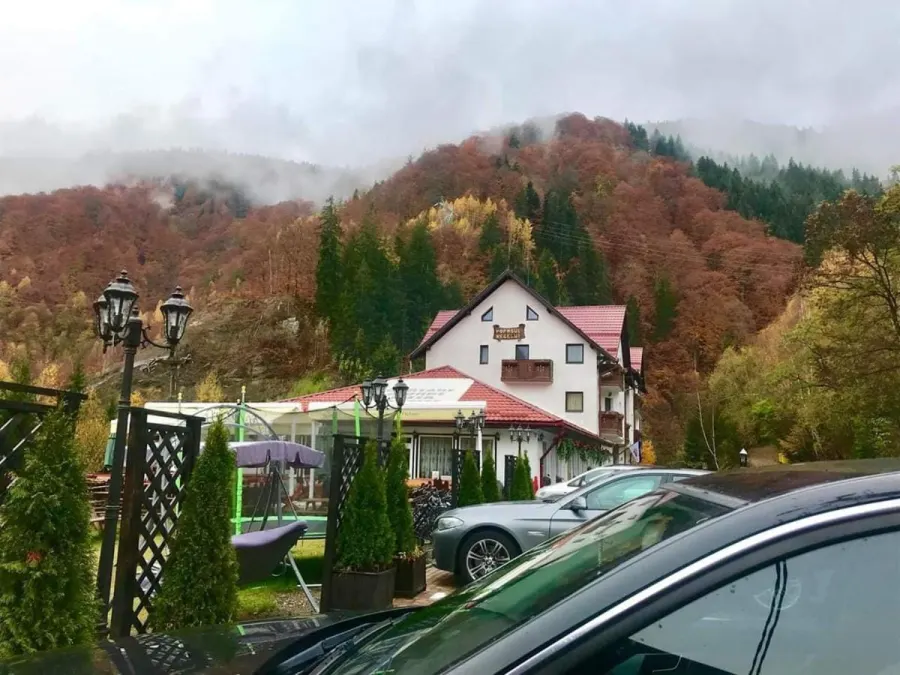
Popasul Regelui is right on DN67C, in the village of Tău Bistra, Șugag commune, Alba County. It is another accommodation option in the Frumoasa Valley (“Valea Frumoasei”) for those who choose to cross the Transalpina over several days. It has a restaurant and offers recreational activities such as ATV rides, as well as relaxation with a hot tub and a sauna.
In each of these areas, you'll find a wide range of accommodation that combines authentic mountain charm with modern comfort, giving guests a unique and restorative experience in the middle of nature while exploring the Transalpina.
Useful Tips
Keep the following tips in mind so that the “King's Road” doesn't turn into the “Devil's Path”:
Check the Road Conditions: Before you leave, make sure the Transalpina is open to traffic. On the alpine section, driving is allowed only during the day, within hours set each year by CNAIR (in summer 2025, between 07:00 and 21:00), with a maximum speed of 30 km/h, and in winter the road between Rânca and Curpăt is closed due to weather conditions.
Prepare Your Car: Make sure your car is in good working order and has suitable tires. You climb to a high altitude in a short span, and the road is mechanically demanding. Anyone who has driven the Transalpina understands why there are towing service phone numbers at every turn.
Mobile Network: there is no cell signal on much of the Transalpina. Up top, at the viewpoints and rest stops, there is signal.
Check the weather on the Transalpina.
See more useful tips for car trips on difficult routes, as well as other interesting routes such as Transrarău, Transapuseana, and Transbucegi
Transalpina, Parâng Mountains
Frequently Asked Questions
How long is the Transalpina?
The Transalpina is 148.2 km long.
What is the highest altitude on the Transalpina?
The highest point on the Transalpina is at Urdele Pass, at 2,145 m, making it the highest road in the country.
How long does it take to drive the Transalpina?
You can drive the Transalpina in less than 3 hours, but to truly experience its beauty, we recommend allowing 3-4 hours. You'll definitely want to stop to admire the scenery and enjoy nature.