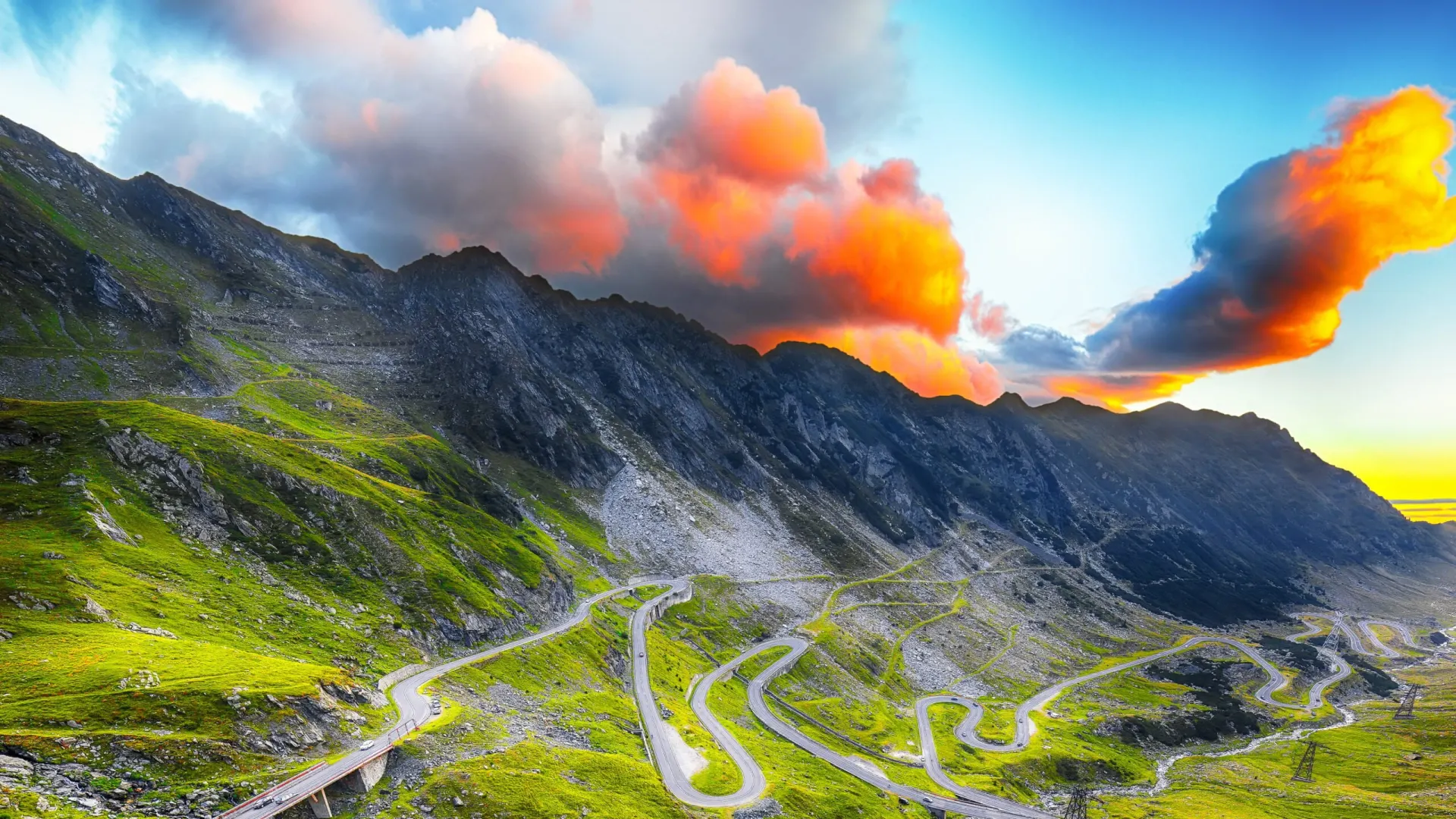
In the heart of Romania's Carpathian Mountains lies a legendary road, a veritable carpet of asphalt that crosses the Făgăraș Mountains. The Transfăgărășan, an undeniable creation of engineering and nature, is more than just a road – it is a fascinating story and an adventure for the brave who dare to travel it.
Transfăgărășan route
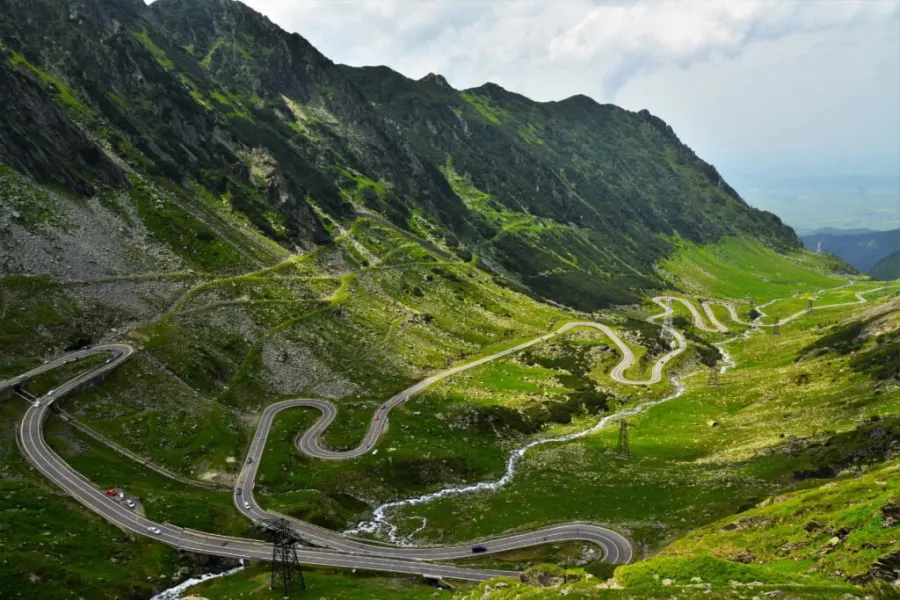
The stories about the construction of the Transfăgărășan are as tangled and dramatic as the winding route it follows. The idea for the road took shape during the communist era, as an ambitious project of Nicolae Ceaușescu. A team of engineers and workers forged the road, crossing mountains, passing through tunnels, and building bridges to connect the two parts of Romania. A testament to their titanic work, the road has become not only a connecting route but also a world-famous tourist destination.
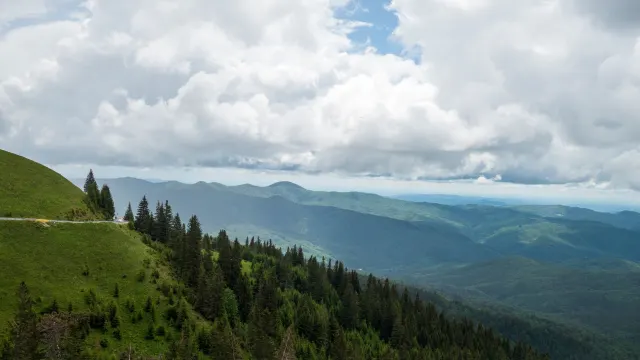
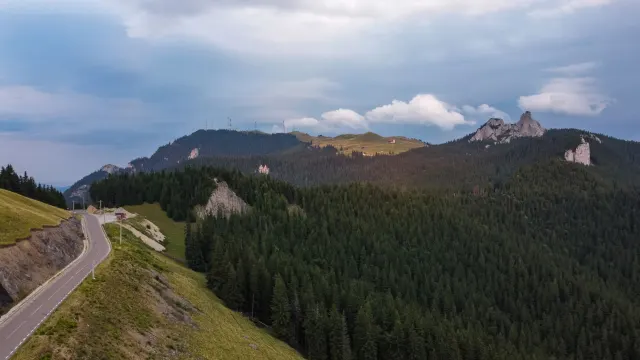
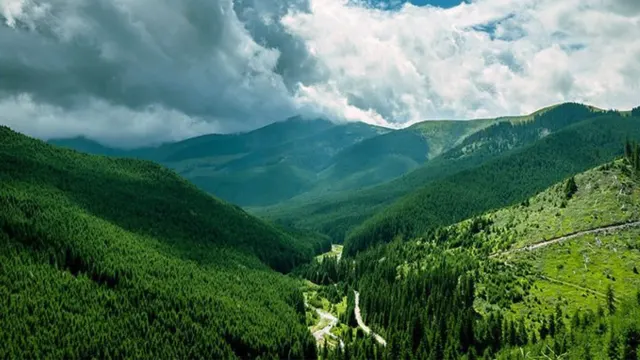
Starting from an altitude where the air grows thin, the Transfăgărășan appears like a ribbon winding between snow-capped peaks or green forests.
History of the Transfăgărășan: From Idea to Reality
For Ceaușescu, the Transfăgărășan was also a demonstration of his regime's power and ingenuity, a prestige project meant to show the whole world the technical capabilities of communist Romania.
Origin and Reason for Building the Road
The idea of building the Transfăgărășan took shape during the communist era, under Nicolae Ceaușescu. The main motivation was strategic and economic – to create a road link between the two regions of Romania and to provide a fast access route in case of invasion.
In the 1960s, the political and military context in Eastern Europe created a pressing desire for a route that could quickly cross the mountains. In a tense climate, building a road that would allow a fast and safe link between Transylvania and Muntenia was seen as a strategic necessity.
Key Events in the Development and Opening of the Road
The Transfăgărășan project was ambitious and difficult.
The section from Vidraru Dam to Cârțișoara crosses mountainous terrain and was built between 1970 and 1974 over a distance of about 91 kilometers.
Before Vidraru Dam and Lake Vidraru were built in 1965, DN7C ran for about 20 kilometers along an unpaved route, alongside a narrow-gauge railway (mocănița) that connected Căpățâneni commune with the old village of Cumpăna (now under water).
Between 1970 and 1974, the road was built mainly by soldiers from the engineer troops, while the tunnels were dug by specialists in hydropower construction. The official death toll from accidents on the construction site is 40.
The most impressive technical achievements were the four tunnels, the longest of which is the Capra Tunnel, with a length of 887 meters (also designated the longest road tunnel in the country).
The Transfăgărășan was inaugurated on September 20, 1974 (paving work continued until 1980), and was a technical first and a remarkable achievement of Romanian engineering. Although it was originally built for other purposes, the road quickly became a famous tourist attraction thanks to its spectacular scenery and the difficulty of the route.
Route description
Transfăgărășan route at night
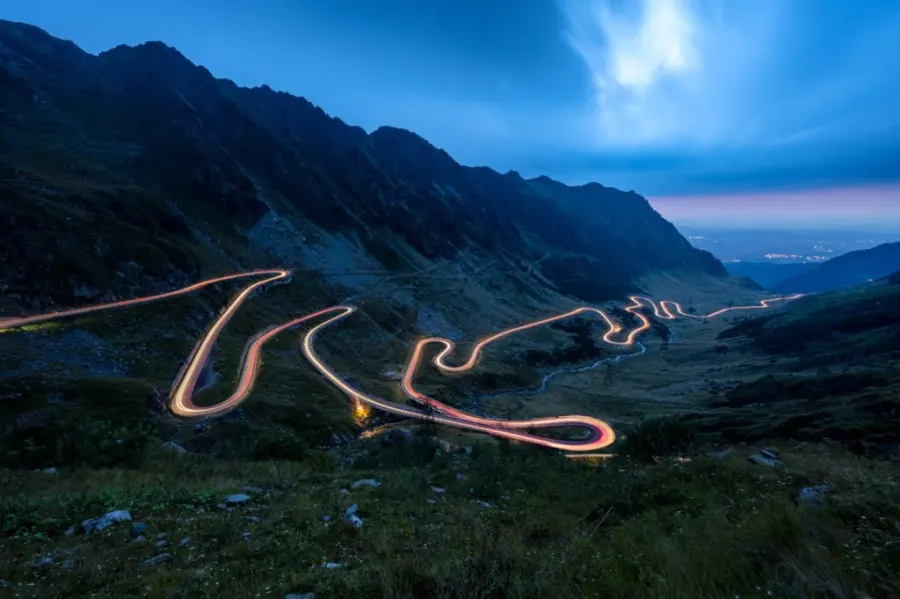
The Transfăgărășan, a road 151 kilometers long, starts in Bascov commune, in Argeș County, continues toward the town of Curtea de Argeș, and ends at the junction with national road DN1 between Sibiu and Brașov, near Cârțișoara.
National Road 7C, known as the Transfăgărășan, connects the Muntenia region with Transylvania, crossing Romania's highest mountains, part of the Southern Carpathians: the Făgăraș Mountains.
The road is paved with asphalt and reaches, near the tunnel by the glacial Bâlea Lake, an altitude of 2,042 meters above sea level. This puts the Transfăgărășan in second place among Romania's alpine roads by altitude, after the Transalpina (DN67C) in the Parâng Mountains, which climbs to 2,145 meters.
The road crosses the Făgăraș Mountains in a north–south direction. The Transfăgărășan route is spectacular, dotted with impressive mountain scenery and breathtaking attractions. Starting from its southern end in Argeș and running all the way north to the Sibiu area, this mountain road offers a unique experience of exploration.
When the Transfăgărășan is open
The Transfăgărășan is usually open to traffic between June and October, but this can vary depending on the weather. Normally, the entire route can be fully opened from mid- or late June, once the winter snow has been cleared and the road becomes safe for traffic.
The Transfăgărășan reopened to traffic for the 2026 season, starting June 12, 2026.
Find out the exact status of the road on this page: When does the Transfăgărășan open in 2026?
Looking for travel adventures? Join me on the Transfăgărășan, perhaps the most spectacular mountain road in Romania, which crosses the Făgăraș Mountains. The road is generally open during the summer season, but every year some sections end up temporarily closed due to avalanches, landslides, or other extreme weather conditions. It is always a good idea to check the road status and the latest information on temporary closures before setting off across the Făgăraș Mountains, especially during the transition periods between winter and summer.
Points of Interest and Tourist Attractions
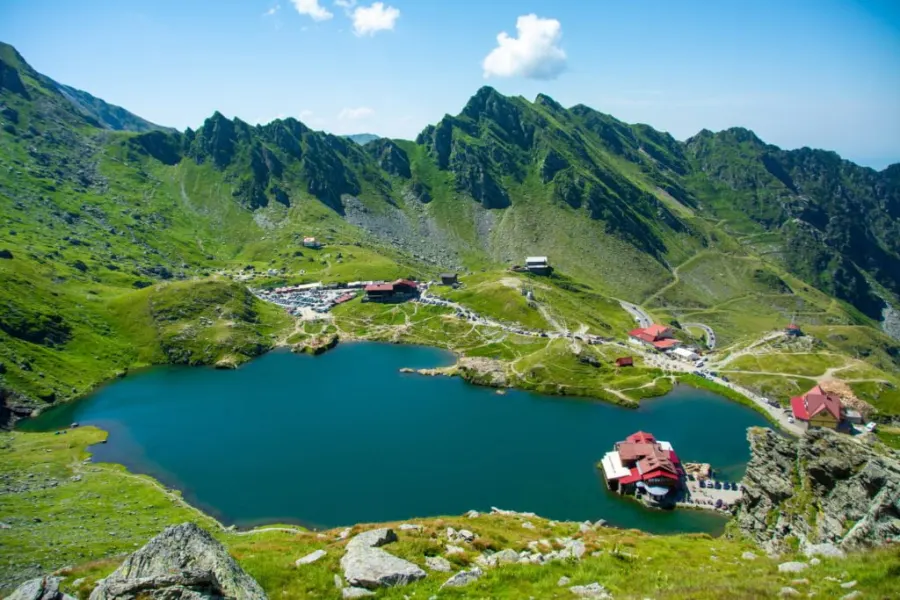
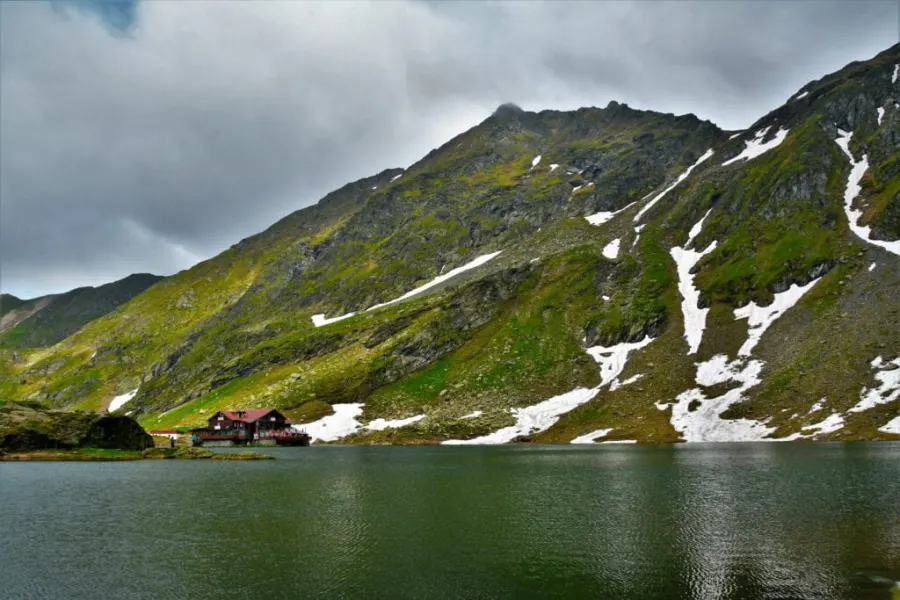
Bâlea Lake is a glacial lake at an altitude of 2,034 m, surrounded by spectacular alpine scenery, and is often covered in snow during winter.
Bâlea Lake seen from above
Ice Hotel: a spectacular structure made of ice and snow, available a few months a year, offering sculpted rooms and a one-of-a-kind atmosphere in the snowy mountain landscape.
Capra Tunnel: the longest tunnel on the route, running beneath the ridge of the Făgăraș Mountains. It is electrically lit and naturally ventilated, and even has a sidewalk for tourists.
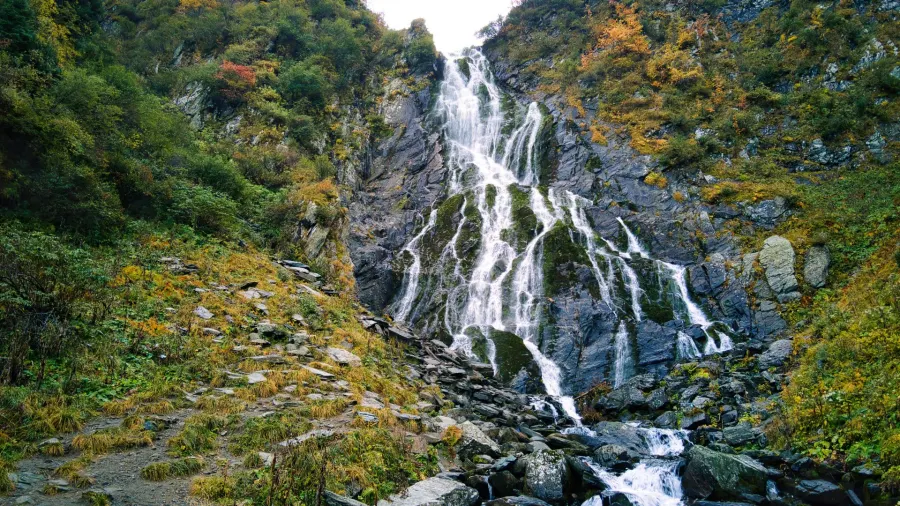
Bâlea Waterfall: the largest tiered waterfall in Romania, located in the Bâlea Valley, near Bâlea Cascadă Chalet. You can reach it from the Transfăgărășan in 40–50 minutes, on a trail marked with a red dot.
Bâlea Waterfall seen from below
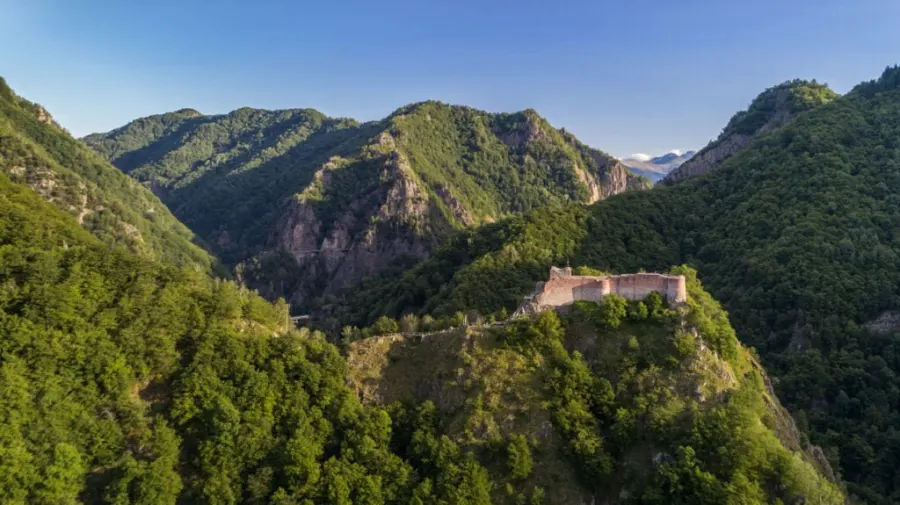
Poenari Fortress: a short distance from the road, near Vidraru Dam, lie the ruins of the fortress, considered Vlad the Impaler's place of refuge during his struggle against the Ottomans. The fortress is famous for its 1,480 steps, which you climb to reach it.
Poenari Fortress
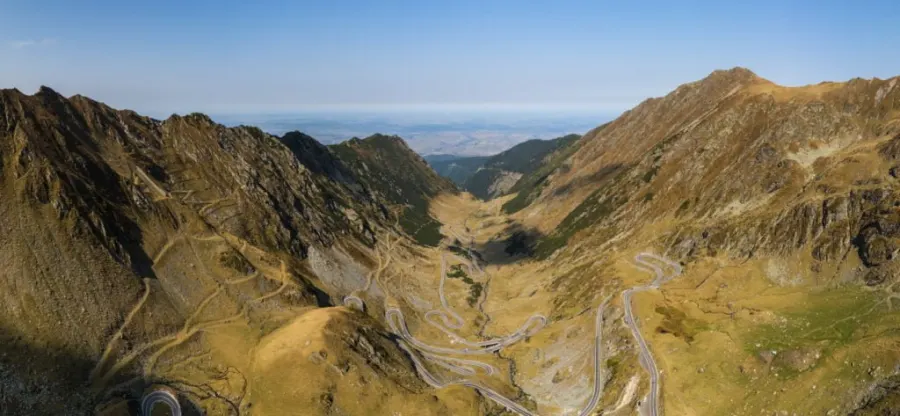
The road's winding curves: The route offers a series of zigzag turns, known as switchbacks, which provide extraordinary panoramic views.
Albina Peak: a short but at times demanding trail that starts from the Lake Vidraru area.
Notable Features of the Road
The Transfăgărășan stands out for a number of features that place it among the most visited attractions in Romania:
Tunnels and Viaducts: The road passes through four tunnels and over 27 viaducts, which add a spectacular dimension to the route.
Switchback Roads: The tightly interlaced switchbacks of the Transfăgărășan are one of the road's most spectacular features, making for a truly fascinating journey.
Mountain Scenery: The route passes mountain peaks, alpine landscapes, and forested areas, offering an amazing diversity of nature and ecosystems.
Alpine scenery on the Transfăgărășan
The Transfăgărășan crosses 830 culverts and 27 viaducts, an imposing construction that required moving millions of tons of rock. This colossal project used 6,520 tons of dynamite, 20 tons of it for the Capra-Bâlea tunnel alone, along with a wide range of other building materials. For more details, see Wikipedia
The Transfăgărășan is much more than a mountain road – it is a unique experience that reveals the splendor of nature and wraps you in the beauty of mountain landscapes.
Experiences and activities
The Transfăgărășan route is not just a scenic drive but also a starting point for many adventures and recreational activities that complement and enrich the travel experience.
Transfăgărășan gondola
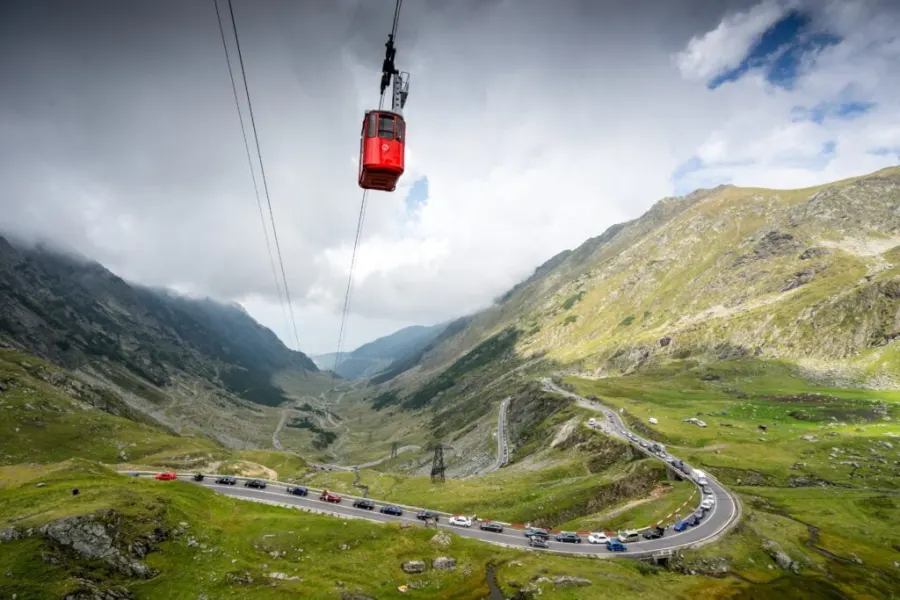
1. Mountain Excursions and Hiking
Mountain Peaks: The Transfăgărășan route gives hikers access to many mountain peaks, such as Moldoveanu Peak or Negoiu Peak, which are surrounded by spectacular scenery.
Marked Trails: Various marked trails lead to the most beautiful spots in the area, suitable for all levels of hiking experience (Valea lui Stan Canyon Trail, Poenari Fortress).
2. Adventure and Recreation
Stay at the Ice Hotel: An experience for lovers of unusual activities – spending the night in a room made of ice.
Mountain Cycling: The Transfăgărășan is a magnet for mountain cycling enthusiasts, offering varied and challenging routes for cyclists.
ATVs and Off-Roading: The mountain areas and off-road trails are ideal for ATV rides, adding extra adventure to exploring this region.
Mountaineering and Climbing: The nearby mountain areas offer potential for mountaineering and climbing, providing challenges for extreme sports enthusiasts.
3. Additional Attractions
Panoramic Views: The unique landscapes and spectacular views along the Transfăgărășan make it the perfect place for photography and contemplation (Lake Vidraru, Capra Waterfall).
Interacting with Nature: The natural areas and reserves around the route offer excellent opportunities to observe the local flora and fauna.
Monastery Visits: Curtea de Argeș Monastery is one of the religious sites and places of reflection along the Transfăgărășan route.
Accommodation along the route
There are numerous tourist accommodations, especially at the start and end of the Transfăgărășan route, offering lodging for those who want to spend more time in the area (near Curtea de Argeș and Cârțișoara). There are fewer along the route itself, but they do exist and are popular destinations. Among them are the chalets in the Bâlea area.
Bâlea Lake
Weather below Bâlea Lac
Practical information
The high section of the Transfăgărășan closes every year during winter, and the reopening date is announced by CNAIR.
Make sure you have enough fuel for the drive, since you can fill up either in the Curtea de Argeș area or on European route E68.
The team of the British show “Top Gear” filmed on the Transfăgărășan in 2009 and, impressed by its spectacular curves, called the route “the best road in the world.”
Hotel of Ice, the Ice Hotel, is an attraction for foreign tourists in Romania.
It is best to drive the Transfăgărășan in July or September, avoiding weekends and public holidays.
In summer, the weather on the Transfăgărășan is quite changeable, and at altitude it is much cooler than at the foot of the mountains. Winter sets in at altitude in October–November, and snow can linger until June.
From April onward, bears have been reported several times in the Lake Vidraru area. Do not feed them or approach them, to avoid incidents!
In summer, the busiest month for visitors on this winding road is August.
You can take a boat ride on Lake Vidraru 🙂
There are two monuments erected to honor those who successfully completed the Transfăgărășan. One stands at an altitude of 1,200 meters and is known as “Poarta Geniștilor” (the Engineers' Gate), a reference to the engineer troops of the Romanian Army. The other monument stands at 1,600 meters and is called “Poarta Întâlnirii” (the Meeting Gate), marking the spot where the two engineer units that built the Transfăgărășan met, coming from opposite directions.
The Salvamont mountain rescue shelter is at an altitude of 2,000 m.
For those who dare to explore it, the Transfăgărășan is not just a road but an experience full of adventure and thrills. Its dangerous curves, spectacular panoramic views, and fresh mountain air turn every corner of this road into a journey that stays alive in the memory of all who travel it.
Visit other scenic areas in Romania, too: Cerna Valley – Domogled National Park, Arieș Valley, Transrarău, Transbucegi